


 About SPORTIVO Network
How to Choose the Right Electric Ride-On Car for Your Child
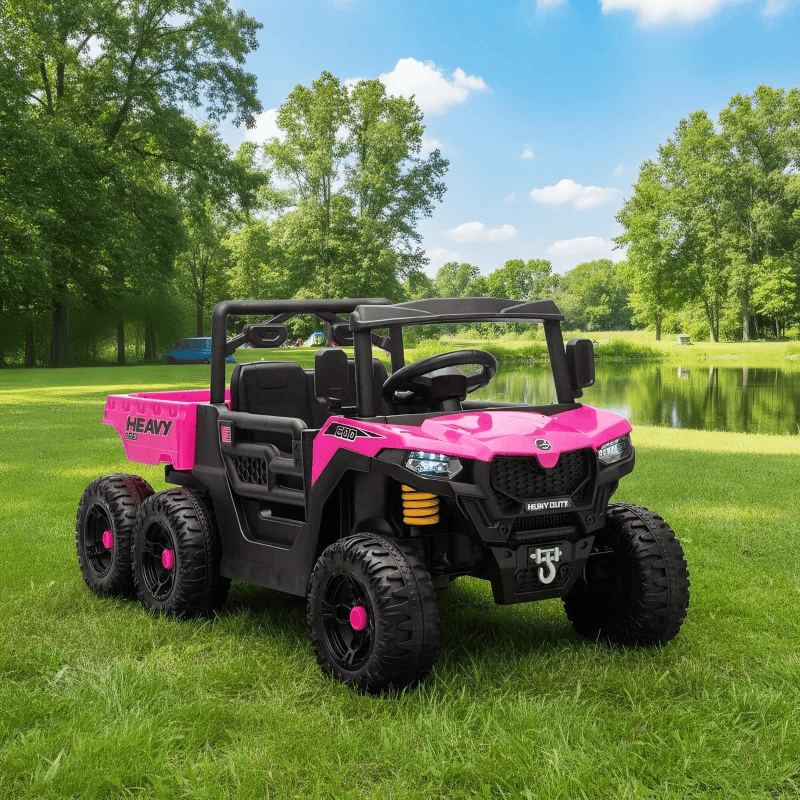
An electric ride-on car can provide hours of outdoor fun while helping children develop confidence, coordination, and independence. With a wide range of models available, choosing the right one requires more than simply picking the most attractive design.
From battery power and safety features to size and terrain compatibility, several factors can influence how well a ride-on vehicle suits your child. Here's what to consider before making a purchase.
Choose a Model Based on Your Child's Age
Age should be your starting point when comparing ride-on cars. Manufacturers design vehicles with specific age groups in mind, ensuring that the speed, controls, and overall size are suitable for the child using them.
Younger children generally benefit from slower vehicles with simple controls and parental remote functions. Older children may be ready for more powerful models that offer greater speed and a more realistic driving experience.
Always check the recommended age range and weight capacity before purchasing.
Understand Battery Power Options
The battery determines how much power the vehicle delivers and how well it performs on different surfaces.
6V Ride-On Cars
These models are designed for younger children and work best on smooth, level surfaces. They offer slower speeds and easy operation.
12V Ride-On Cars
A 12V model is often the most versatile option. It provides enough power for everyday use while remaining manageable for most children.
24V Ride-On Cars
For older children and more challenging terrain, a 24V vehicle offers increased performance, better traction, and stronger acceleration.
When exploring different electric toy cars, selecting the right battery power helps ensure a safe and enjoyable riding experience.
Make Safety a Priority
Safety features should play a major role in your decision. A well-designed ride-on car can help reduce risks and give parents greater peace of mind.
Look for features such as:
-
Seat belts
-
Soft-start acceleration
-
Parental remote control
-
Speed settings
-
Automatic braking
-
Wide, stable wheels
These features help create a safer environment while children learn to drive and control their vehicle.
Consider Where the Vehicle Will Be Used
Not all ride-on cars perform equally on different surfaces. Before choosing a model, think about where your child is most likely to use it.
If the vehicle will mainly be driven on paved surfaces, a standard model may be sufficient. For grass, gravel, or uneven ground, consider a ride-on car with larger wheels, improved traction, and a stronger motor.
Matching the vehicle to the terrain will improve both performance and durability.
Look for Features That Add to the Experience
Many ride-on cars include extra features that make playtime more enjoyable and realistic.
Popular options include:
-
Working headlights
-
Built-in music systems
-
Bluetooth connectivity
-
Realistic engine sounds
-
Opening doors
-
Dashboard controls
While these features are not essential, they can make the driving experience more engaging for children.
Check Battery Runtime
Battery life can have a significant impact on overall satisfaction. A vehicle that requires frequent charging may lead to shorter play sessions and more interruptions.
When comparing models, look at both the expected runtime and charging time. A longer-lasting battery generally provides a better user experience.
Decide Between One or Two Seats
Ride-on cars are available in both single-seat and two-seat configurations.
Single-seat models are ideal for individual use and often require less storage space. Two-seat vehicles allow siblings or friends to ride together and typically feature larger frames and more powerful batteries.
Choose the option that best suits your child's needs and how the vehicle will be used.
Evaluate Build Quality
A durable ride-on car will withstand regular use and provide better long-term value.
Look for:
-
Strong frame construction
-
Durable wheels
-
Quality motors
-
Reliable battery systems
-
Sturdy body materials
Investing in a well-built model can help reduce maintenance issues and extend the lifespan of the vehicle.
Review Warranty and Support
Before making a final decision, check the warranty coverage offered by the manufacturer. A solid warranty can provide protection against manufacturing defects and help with replacement parts if needed.
It is also worth considering how easy it is to obtain batteries, chargers, and other replacement components in the future.
Choosing the right electric ride-on car involves finding the right balance between safety, performance, durability, and fun. By considering your child's age, the terrain they will use, battery power requirements, and key safety features, you can select a model that provides an enjoyable and reliable riding experience for years to come.

 Czech
Czech
 English
 Arabic
 French
 Portuguese
 Deutsch
 Turkish
 Dutch
Dutch
 Italiano
 Russian
 Romaian
 Portuguese (Brazil)
 Greek
Greek