


 About SPORTIVO Network
A Complete Guide to Choosing the Best Online Cooking Sessions
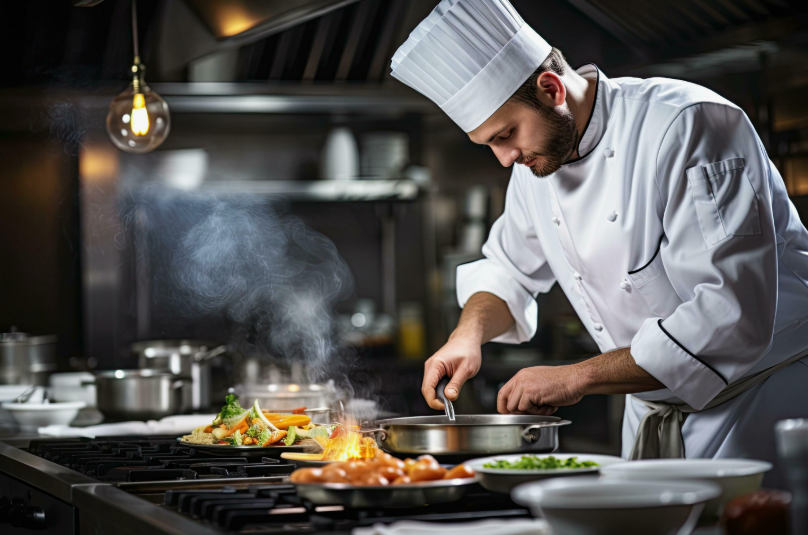
The landscape of culinary instruction has undergone a profound transformation, moving beyond the physical boundaries of local community colleges and commercial kitchen showrooms. Today, individuals seeking to refine their kitchen proficiency can access a global network of professional chefs, historic regional traditions, and specialized technical guidance from their own homes. This shift toward digital learning has democratized culinary literacy, making advanced concepts accessible to home cooks regardless of geographic location. Choosing to study food preparation virtually requires a strategic understanding of how online educational frameworks operate, ensuring that the selected format aligns with personal learning objectives. By shifting the educational environment to the domestic kitchen, students can immediately apply professional theories using their own tools, storage systems, and appliances, creating a highly customized and practical learning experience.
Overcoming the Standard Learning Curve at Home
Virtual instruction removes many of the logistical obstacles associated with traditional classroom environments, such as commuting, strict scheduling constraints, and sharing workspace with dozens of other participants. In a residential setting, students can curate their environment to minimize anxiety and maximize focus. If a particular technique proves challenging, the privacy of a home kitchen allows for uninterrupted repetition without the social pressure of a public audience. This psychological comfort is essential for converting theoretical knowledge into muscle memory. Furthermore, practicing in a familiar layout ensures that the mechanical skills developed during a lesson translate directly to daily meal preparation, establishing sustainable habits that outlast the duration of the course.
Evaluating Instructional Formats and Media Delivery
When exploring virtual culinary programs, the primary structural decision involves choosing between live stream interactions and pre-recorded video modules. Each format serves a distinct educational purpose and caters to different behavioral styles. Live streams offer real-time interaction, allowing an instructor to observe a student's knife work, pan temperature, or sauce consistency through a camera feed and provide immediate corrective feedback. This interactive feedback loop mimics the accountability of a physical classroom and is ideal for complex, time-sensitive techniques. Conversely, pre-recorded libraries offer maximum flexibility, allowing busy individuals to pause, rewind, and review intricate steps at their own pace, making it an excellent resource for analytical learners who prefer to master details methodically.
Technical Requirements and Digital Integration
A successful digital learning experience relies on proper technical preparation before any ingredients are even purchased. Students must consider the placement and safety of digital devices within a workspace characterized by heat, moisture, and sharp objects. Utilizing stable stands, protective screen covers, and clear audio outputs ensures that instructional cues are easily received without interrupting active cooking processes. Many comprehensive programs now optimize their content for multi-camera viewing, giving students close-up perspectives of delicate physical movements such as proper hand positioning during vegetable preparation or the shifting texture of an emulsion, which are often difficult to see clearly in a crowded physical classroom.
Analyzing Curriculum Structure and Skill Progression
A premium digital culinary program should feature a logical, progressive curriculum rather than a disconnected collection of individual recipes. True culinary growth occurs when a student learns the underlying scientific principles of food chemistry, heat transfer, and flavor balance. When selecting a course, look for syllabi that prioritize universal techniques such as braising, searing, poaching, and emulsifying before introducing specific menu items. This foundational approach ensures that the cook understands how molecules behave under various conditions, enabling them to apply the same mechanical laws to completely different ingredients in the future, thereby reducing strict recipe dependency.
The Science of Flavor Development and Ingredient Integrity
Understanding the structural architecture of a dish requires a systematic study of how individual taste profiles interact within a recipe. A comprehensive cooking session online should teach students how to balance the core pillars of taste, sweetness, sourness, saltiness, bitterness, and umami, using precise sensory evaluation. Rather than instructing students to blindly add arbitrary amounts of spice, elite virtual mentors explain how acid cuts through dense lipids or how salt releases volatile aromatic compounds. This theoretical baseline empowers home cooks to analyze their food objectively, diagnosing and correcting imbalances systematically during the active preparation process.
Sourcing Ingredients and Workspace Organization
One of the most valuable aspects of virtual training is the development of real-world procurement and organizational habits. Because students are responsible for sourcing their own raw materials, they gain practical experience in evaluating product freshness, understanding seasonal availability, and navigating local supply chains. This process builds a discerning eye for quality that is often bypassed when ingredients are pre-measured and laid out in a commercial school. Additionally, virtual programs emphasize the rigorous implementation of workspace organization, requiring students to wash, peel, cut, and measure all components into individual vessels before activating any heat source, which prevents the chaotic rushing that frequently leads to scorched elements.
Assessing Instructor Credentials and Feedback Frameworks
The quality of a virtual culinary education is directly tied to the communication skills and professional background of the educator. Exceptional chefs possess the ability to translate complex tactile sensations into clear verbal descriptions, explaining not just what step to take next, but precisely what the student should see, smell, or hear as a visual indicator of success. When comparing options, look for instructors who possess verified industry experience, formal training, and a demonstrated history of successful mentorship. Furthermore, evaluate what post-class support systems are available, such as dedicated forums, direct digital communication channels, or portfolio reviews, ensuring that learning continues long after the active broadcast has concluded.
Moving From Digital Theory to Authentic Hands On Practice
While virtual instruction provides an exceptional foundation for understanding culinary mechanics and flavor chemistry, translating those digital lessons into true mastery often requires an immersive, real-world experience. The Mardi Gras School of Cooking provides the perfect physical environment to solidify your training and elevate your practical execution to a professional standard.
Situated in a state-of-the-art facility staffed by elite local chefs, this premier institution specializes in transforming theoretical knowledge into confident, hands-on capability. Participants engage in structured, intensive sessions that demystify complex regional traditions, advanced heat regulation, and professional tool safety, ensuring that the habits formed through digital observation are thoroughly refined through direct personal instruction.
Conclusion
Selecting an online culinary program requires a careful evaluation of instructional design, technological integration, and progressive technique building. Shifting the learning environment into the home kitchen offers an unparalleled opportunity to develop sustainable, highly efficient habits using personal equipment. By prioritizing programs that focus on universal scientific principles, flavor architecture, and methodical workspace organization, home cooks can eliminate frustration and achieve predictable success. Ultimately, investing time in a structured virtual education provides the technical discipline and analytical independence required to transform basic raw materials into exceptional, memorable dining experiences.

 Czech
Czech
 English
 Arabic
 French
 Spanish
 Portuguese
 Deutsch
 Dutch
Dutch
 Italiano
 Russian
 Romaian
 Portuguese (Brazil)
 Greek
Greek