


 Android App
 About SPORTIVO Network
2500 kVA Diesel Generator Set: Debunking Myths About Noise and Emissions
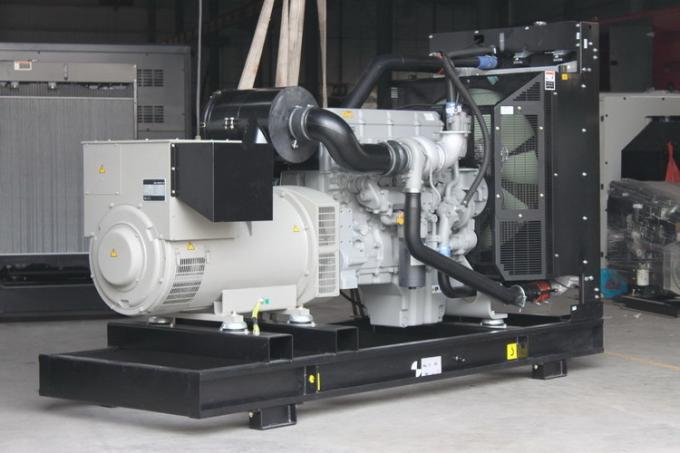
Diesel generators have long been a reliable choice for providing uninterrupted power in industrial, commercial, and emergency applications. However, many people associate them with excessive noise and high emissions, often considering them unsuitable for urban or environmentally conscious settings. The reality has changed dramatically in recent years, especially for high-capacity units such as the 2500 kVA Diesel Generator Set. Modern engineering, advanced exhaust systems, and improved engine design have significantly reduced both operational noise and environmental impact, challenging outdated assumptions.
This article explores the common myths surrounding noise and emissions, highlights technological advancements, and provides evidence-based insights to help businesses and infrastructure planners make informed decisions about adopting large diesel generators.
Common Myths About Diesel Generator Noise
Myth: Diesel Generators Are Always Loud
One of the most pervasive beliefs is that diesel generators inherently produce disruptive noise. Historically, older models did have louder engines and exposed components, which amplified operational sounds. Modern 2500 kVA units, however, are equipped with sound-attenuating enclosures, vibration dampening systems, and optimized engine mounts. These features significantly reduce noise levels, making them suitable for installations in urban, industrial, and residential-adjacent environments.
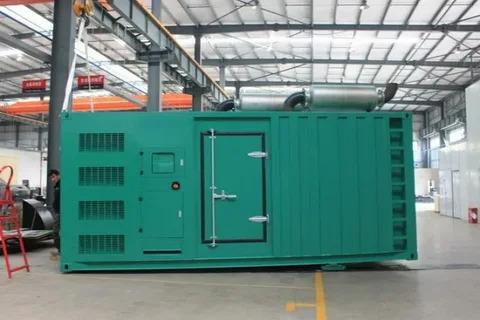
Myth: Noise Cannot Be Controlled in Large Generators
Many assume that the size of a generator directly dictates its noise output. While it is true that higher capacity engines produce more mechanical noise, innovations such as acoustic enclosures and exhaust mufflers allow even large 2500 kVA Diesel Generator Sets to operate within acceptable noise standards. Strategic installation planning, including sound barriers and insulated rooms, further minimizes the impact on surrounding areas.
Understanding Measured Noise Levels
Studies and real-world deployments demonstrate that modern 2500 kVA diesel generators operate at noise levels typically between 65–75 dB at a 7-meter distance, depending on load and enclosure type. To put this into perspective, it is roughly equivalent to the sound of a busy office or background traffic, far from the disruptive noise often imagined.
Debunking Myths About Emissions
Myth: Large Diesel Generators Are Environmentally Harmful
A common concern is that large diesel engines generate excessive emissions, including nitrogen oxides (NOx), carbon monoxide (CO), and particulate matter (PM). While older generators did produce significant emissions, contemporary 2500 kVA units incorporate advanced combustion technology, exhaust after-treatment systems, and low-sulfur diesel compatibility. These measures greatly reduce harmful emissions, making modern generators compliant with international environmental regulations.
Myth: Emission Control Systems Reduce Performance
Some critics argue that adding emission control technologies negatively impacts fuel efficiency or power output. In reality, modern designs balance emission reduction with operational performance. Features such as selective catalytic reduction (SCR), diesel particulate filters (DPF), and electronic engine management systems maintain engine efficiency while minimizing pollutants. The result is a generator that meets both power demand and environmental expectations.
Real-World Emission Performance
Data from industrial and commercial installations shows that properly maintained 2500 kVA Diesel Generator Sets can achieve emissions levels within regulatory limits, even under continuous operation. Integrating predictive maintenance and fuel quality monitoring ensures engines operate optimally, further reducing environmental impact.
Technological Advancements Reducing Noise and Emissions
Engine Design Improvements
Modern diesel engines benefit from high-pressure common rail fuel injection, turbocharging, and optimized combustion processes. These improvements not only enhance fuel efficiency but also minimize both vibration and exhaust noise, contributing to quieter, cleaner operation.
Acoustic and Vibration Management
Large generator units now feature fully enclosed cabins with acoustic insulation, vibration isolation mounts, and optimized airflow designs. These advancements prevent sound from propagating, ensuring that even a 2500 kVA generator can operate near sensitive environments without causing disturbance.
Advanced Exhaust Treatment Systems
Exhaust after-treatment technologies, including SCR and DPF systems, reduce the release of nitrogen oxides, carbon monoxide, and particulate matter. Combined with low-sulfur diesel fuel and optimized engine mapping, these systems maintain compliance with environmental standards while preserving fuel efficiency.
Smart Monitoring and Automation
Integration with digital monitoring platforms allows operators to track emissions, noise levels, and engine performance in real time. Automated adjustments can reduce load variations, optimize combustion, and maintain consistent operational parameters, contributing to both quieter and cleaner energy production.
Best Practices for Minimizing Noise and Emissions
Proper Installation
Placement of the generator in a dedicated, insulated room or using acoustic barriers around outdoor installations can significantly reduce perceived noise. Distance from sensitive areas and consideration of prevailing wind and terrain also improve acoustic management.
Routine Maintenance
Regular servicing of fuel systems, exhaust treatment components, and vibration mounts ensures that the generator maintains optimal performance. Neglecting maintenance can increase noise levels, reduce efficiency, and elevate emissions, reinforcing outdated myths.
Load Management
Operating the generator near its optimal load range (typically 75–80% of rated capacity) ensures efficient combustion and minimizes both fuel consumption and emissions. Underloading or overloading the generator can lead to increased pollutants and operational noise.
Fuel Quality
Using clean, high-quality diesel reduces particulate buildup and ensures complete combustion, contributing to lower emissions and smoother, quieter engine operation.
Case Studies Demonstrating Improved Performance
Industrial Facility Deployment
A manufacturing facility using a 2500 kVA Diesel Generator Set reported a reduction of 12 dB in operational noise compared to older units, thanks to acoustic enclosures and vibration dampening. Emission monitoring confirmed compliance with stringent air quality standards even during peak load operations.
Data Center Backup Power
A data center relying on a 2500 kVA generator for emergency power observed quieter operation and cleaner exhaust compared to prior smaller units. Advanced engine mapping and automatic load management allowed the generator to provide uninterrupted backup without environmental compromise.
Urban Hospital Implementation
A hospital in a dense urban area successfully integrated a 2500 kVA Diesel Generator Set within a soundproofed room. The system operated well below maximum permissible noise levels, ensuring patient comfort while meeting emergency power requirements.
Addressing Common Concerns
-
Noise Complaints: Proper enclosures, sound barriers, and strategic placement mitigate issues.
-
Emission Worries: Using modern engines with SCR and DPF technology ensures compliance.
-
Operational Efficiency: Smart monitoring, routine maintenance, and load optimization preserve both performance and environmental standards.
The Future of Diesel Generator Sets
Technological innovation continues to improve the environmental and acoustic performance of large diesel generators. Hybrid integration with battery storage, renewable energy, and advanced automation will further reduce both fuel consumption and emissions. As industries adopt stricter environmental and operational standards, modern 2500 kVA Diesel Generator Sets will remain reliable, efficient, and compliant solutions for high-capacity power needs.
Conclusion
The 2500 kVA Diesel Generator Set has evolved far beyond outdated perceptions of excessive noise and high emissions. Advanced engine designs, acoustic management, and exhaust treatment systems ensure that modern units operate quietly and cleanly, even in sensitive environments. Proper installation, maintenance, and load management further enhance performance, making these generators suitable for a wide range of industrial, commercial, and emergency applications.
By debunking myths and highlighting technological advancements, it becomes clear that large diesel generators can provide reliable, high-capacity power while minimizing environmental and acoustic impact. Businesses and infrastructure planners can confidently incorporate these systems into their energy strategies, combining robust backup power with modern sustainability standards.

 Czech
Czech
 English
 Arabic
 French
 Spanish
 Deutsch
 Turkish
 Dutch
Dutch
 Italiano
 Russian
 Romaian
 Portuguese (Brazil)
 Greek
Greek