


 About SPORTIVO Network
The Role of EHS Construction Consulting Services in Building a Strong Safety Culture
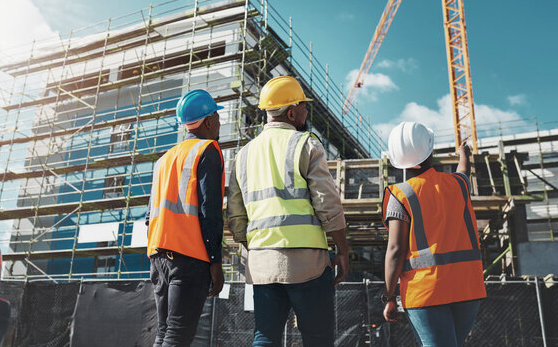
The construction industry is inherently dynamic and hazardous, demanding a rigorous approach to risk management that goes beyond mere regulatory adherence. A truly effective safety culture is not defined by the presence of warning signs or the passive distribution of protective gear, but by the deeply ingrained behaviors and shared values of every individual on the job site. Building this foundational culture requires transitioning from a reactive model, which only analyzes failures after an accident occurs, to a proactive model centered on continuous risk identification and operational mindfulness.
When safety is treated as a core operational value rather than a bureaucratic constraint, workers are empowered to voice concerns, halt hazardous operations, and actively participate in safety protocols. This cultural shift begins with a comprehensive evaluation of existing organizational attitudes, identifying gaps between written policies and actual field practices. By establishing transparent communication channels and aligning daily workflows with strict biological and physical safety guidelines, construction firms lay the groundwork for an environment where human life and operational excellence are treated as inseparable priorities.
Identifying Structural Hazards and Environmental Risks on Site
Every construction and renovation site presents a unique matrix of environmental and physical threats that must be systematically evaluated before physical work commences. Structural modifications, demolition activities, and excavation work frequently disturb stable environments, potentially releasing hazardous particulates, heavy metal dust, or hidden biological contaminants into the surrounding area. For instance, disturbing older infrastructure during utility upgrades can liberate dormant asbestos fibers or lead compounds, both of which carry severe long term health consequences for site workers and nearby populations. Furthermore, unexpected disruptions to mechanical ventilation networks or plumbing systems can distribute opportunistic pathogens, such as fungal spores or waterborne bacteria, across adjacent operational zones.
Identifying these varied risks demands an exhaustive understanding of building layouts, occupational toxicology, and airflow dynamics. By conducting meticulous pre construction assessments, site supervisors can isolate potential hazards at their origin, ensuring that the structural integrity of the surrounding facility and the physiological well-being of the workforce remain completely uncompromised throughout the lifecycle of the project.
Designing and Deploying Comprehensive Risk Mitigation Frameworks
Translating safety theory into field execution requires the development of highly customized, data driven risk mitigation frameworks that adapt to changing site conditions. These frameworks utilize an objective classification matrix that cross references the specific scale of the construction activity with the vulnerability levels of the immediate environment. To achieve this level of precision, many organizations utilize specialized EHS construction consulting services to independently audit their operational protocols, calibrate air monitoring equipment, and verify the integrity of critical engineering controls. These technical services provide the objective oversight necessary to implement complex isolation strategies, such as establishing negative pressure zones, utilizing medical grade particulate filtration units, and designing specialized entry enclosures for hazardous areas.
By integrating these precise compliance metrics directly into the daily operational workflow, project managers eliminate ambiguity and provide clear, actionable instructions for field technicians. This systemic approach guarantees that temporary containment measures remain fully functional under changing structural loads, effectively preventing the migration of toxic debris or infectious vectors beyond the immediate work zone.
The Impact of Leadership and Accountability on Workforce Compliance
The sustainability of an environmental health and safety program depends entirely on the visible commitment of institutional leadership and the clear assignment of accountability across all organizational levels. When project executives, engineers, and superintendents actively prioritize safety metrics during daily operations, frontline workers are far more likely to adhere strictly to established protective protocols.
Leadership accountability involves conducting regular site walkthroughs, reviewing environmental monitoring logs, and ensuring that adequate resources are continuously allocated for safety equipment and personnel training. Furthermore, establishing clear accountability requires implementing standardized reporting systems where near miss incidents and minor barrier breaches are thoroughly documented and analyzed without fear of worker retribution.
This open operational structure transforms safety from an individual burden into a collective responsibility, reinforcing the understanding that every action on the job site directly impacts the broader community. By cultivating an atmosphere of mutual accountability, construction firms can achieve high rates of compliance with safety guidelines, drastically reducing the occurrence of preventable workplace accidents and operational errors.
Measuring the Financial and Operational Returns of Safety Excellence
While implementing rigorous safety and environmental containment protocols requires an initial investment of institutional resources, the long term financial and operational returns are profound. A strong safety culture directly correlates with a significant reduction in workplace injuries, worker compensation claims, and expensive legal liabilities that follow HTML site incidents. Moreover, adhering strictly to established environmental controls prevents sudden project shutdowns by regulatory authorities, which can cause catastrophic delays and budget overruns.
Maintaining clean, contained, and organized workspaces also optimizes labor efficiency, as workers can perform their technical tasks without navigating chaotic or hazardous conditions. Additionally, for construction firms operating within specialized environments like active healthcare facilities, a proven track record of safety excellence enhances institutional reputation and secures a competitive advantage during contract bidding. Ultimately, viewing safety investments as protective mechanisms for both capital and human resources reveals that high compliance standards are essential tools for ensuring predictable project timelines and sustaining long term corporate profitability.
Advanced Safety Compliance and Professional Development with Higgins Education
Successfully navigating the complex regulations and evolving safety standards of modern construction environments requires specialized technical training and verified instructional resources. Higgins Education provides an exceptional selection of professional training courses specifically tailored to equip construction contractors, facility managers, and safety compliance officers with the practical skills needed to maintain flawless site protocols.
Through the rigorous curriculum paths accessible directly on the platform at participants learn to analyze intricate risk matrices, manage critical negative pressure environments, and ensure absolute alignment with contemporary national regulatory mandates. Investing in these structured professional development resources allows organizations to eliminate environmental liabilities, prevent costly operational delays, and actively protect workforce health across projects of any scale. Explore the full range of educational programs and strengthen your internal safety infrastructure by visiting the Higgins Education portal today.
Conclusion
Building a resilient safety culture within the construction industry demands a comprehensive approach that integrates objective risk assessments, robust engineering controls, and visible leadership commitment. By prioritizing standardized education and structured risk management processes, construction firms can successfully mitigate the physical and environmental dangers inherent in complex structural projects. Ensuring that every stakeholder is fully prepared to execute containment protocols and identify workplace hazards remains the most effective methodology to guarantee site safety, preserve organizational integrity, and deliver high quality projects without costly interruptions.
Ultimately, fostering a rigorous, collaborative culture of safety ensures that modern infrastructure development can proceed efficiently while maintaining an unyielding commitment to human welfare and regulatory compliance.

 Czech
Czech
 English
 Arabic
 French
 Spanish
 Portuguese
 Deutsch
 Turkish
 Dutch
Dutch
 Italiano
 Russian
 Romaian
 Portuguese (Brazil)