


 Android App
 About SPORTIVO Network
Heat Detector Systems for Early Fire Warning and Safety Needs Use
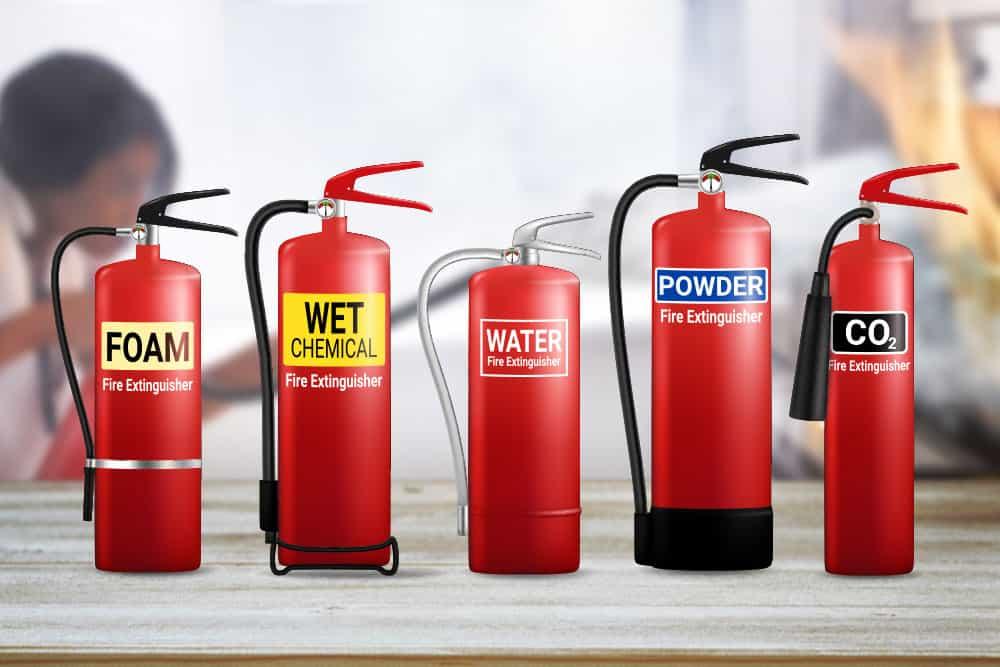
Fire safety is a basic need for homes, offices, factories, and public places. A small fire can turn into a big loss if it is not detected on time. This is why early fire warning systems are very important. Among all fire detection tools, heat detector systems play a key role. They work silently in the background and give alerts when the temperature rises beyond a safe limit. This blog explains heat detector systems, how they work, their types, uses, benefits, and why they are important for overall fire safety.
What Is a Heat Detector System?
A heat detector system is a fire detection device that senses heat instead of smoke. It activates an alarm when the temperature in a room increases rapidly or reaches a fixed level. These systems are commonly used in places where smoke detectors may give false alarms, such as kitchens, boiler rooms, parking areas, and factories.
Heat detectors are part of a complete fire safety plan. They are often connected to fire alarm panels and sometimes linked with sprinklers or alert systems to warn people and reduce damage.
How Heat Detectors Work
Heat detectors work on a simple principle. They monitor the temperature of an area. When the temperature crosses a set limit or rises very fast, the detector sends a signal to the alarm system.
There are two main ways heat detectors sense danger:
-
Fixed Temperature Method
The detector triggers when the temperature reaches a fixed point, such as 57°C or 68°C. This type is reliable and simple. -
Rate of Rise Method
The detector activates when it senses a sudden rise in temperature, even if the fixed limit is not reached. This helps detect fires quickly.
Some modern detectors use both methods for better accuracy and safety.
Types of Heat Detector Systems
There are different types of heat detectors used for various safety needs:
-
Fixed Temperature Heat Detectors
Best for areas with stable temperatures. -
Rate of Rise Heat Detectors
Ideal for places where fast fire spread is possible. -
Combination Heat Detectors
Use both fixed temperature and rate of rise features. -
Linear Heat Detection Systems
Used in long areas like tunnels, cable trays, and warehouses.
Each type serves a specific purpose, depending on the environment and fire risk.
Where Heat Detector Systems Are Used
Heat detector systems are suitable for many locations, especially where smoke detectors are not effective. Common places include:
-
Kitchens and food processing units
-
Manufacturing plants
-
Warehouses and storage areas
-
Parking garages
-
Electrical rooms
-
Boiler rooms
-
Industrial sheds
In such areas, dust, steam, or fumes can cause smoke detectors to give false alarms. Heat detectors reduce this problem and provide reliable fire detection.
Importance of Heat Detectors in Fire Safety
Heat detectors are an important part of a fire safety system. While they may not detect fire as early as smoke detectors in some cases, they are very useful in harsh environments. Their main benefits include:
-
Reduced false alarms
-
Simple design and low maintenance
-
Long service life
-
Reliable performance in dusty or hot areas
When used along with smoke detectors, fire alarms, and fire suppression tools, they create a strong safety system.
Heat Detectors and Fire Extinguishing Systems
Early detection is only one part of fire safety. Once a fire is detected, it must be controlled quickly. This is where fire extinguishers and suppression systems come into play.
Many safety plans combine heat detectors with automatic sprinklers or clean agent systems. When the detector senses heat, it can activate these systems to control the fire before it spreads.
In urban and industrial areas, professional suppliers like Fire Extinguisher in delhi often provide complete fire safety solutions, including heat detectors, alarms, and extinguishers. Choosing the right combination of detection and control systems helps reduce risks and protects lives and property.
Advantages of Using Heat Detector Systems
Heat detector systems offer several advantages for safety needs:
-
High Reliability
They work well in tough conditions. -
Cost-Effective
Generally more affordable than advanced smoke detection systems. -
Low Maintenance
Fewer false alarms mean less testing and servicing. -
Durable Design
Suitable for industrial and commercial use. -
Easy Installation
Can be installed in new or existing buildings.
These benefits make heat detectors a smart choice for many applications.
Limitations of Heat Detectors
Like all safety devices, heat detectors also have some limitations:
-
They may respond slower than smoke detectors in slow-burning fires.
-
They are not ideal for living rooms, bedrooms, or offices where early smoke detection is critical.
-
They should be part of a larger fire safety plan, not used alone.
Understanding these limits helps in choosing the right system for each area.
Choosing the Right Heat Detector System
Selecting the correct heat detector depends on several factors:
-
Type of building
-
Nature of work or activity
-
Temperature conditions
-
Fire risk level
-
Local fire safety rules
It is always better to consult fire safety experts before installation. Proper planning ensures maximum protection and compliance with safety standards.
Installation and Maintenance Tips
To keep heat detector systems effective, proper installation and maintenance are essential:
-
Install detectors at recommended heights
-
Keep them away from vents and airflow
-
Test systems regularly
-
Replace damaged or outdated units
-
Maintain records of inspections
Routine checks help ensure the system works properly during an emergency.
Heat Detectors and Legal Safety Requirements
In many regions, fire safety laws require proper detection systems in commercial and industrial buildings. Heat detectors are often recommended for specific zones. Following these rules not only avoids penalties but also protects people and assets.
Compliance with fire safety norms also improves business credibility and reduces insurance risks.
Future of Heat Detector Technology
Modern heat detectors are becoming smarter. Some are integrated with addressable fire alarm systems, allowing exact location tracking. Wireless heat detectors are also gaining popularity due to easy installation and flexibility.
As technology improves, heat detection systems will become faster, more accurate, and easier to manage.
Conclusion
Heat detector systems are a vital part of early fire warning and safety needs. They provide reliable detection in areas where smoke detectors may fail. By sensing dangerous temperature changes, they help alert people and activate fire control systems in time.
When combined with alarms, sprinklers, and fire extinguishers, heat detectors form a strong line of defense against fire hazards. Whether for homes, factories, or commercial spaces, investing in the right fire detection system is a step toward safety, protection, and peace of mind.
All Products of Fire Extinguisher
Smoke Detector, Heat Detector, RRL Fire Hose, Fire Hose Delivery Coupling, Trolley CO2 Fire Extinguishers, Water & Foam Portable Fire Extinguishers, ABC Fire Extinguisher, Clean Agent Fire Extinguisher, Metal Fire Extinguisher,

 English
 Arabic
 French
 Spanish
 Portuguese
 Deutsch
 Turkish
 Dutch
Dutch
 Italiano
 Russian
 Romaian
 Portuguese (Brazil)
 Greek
Greek