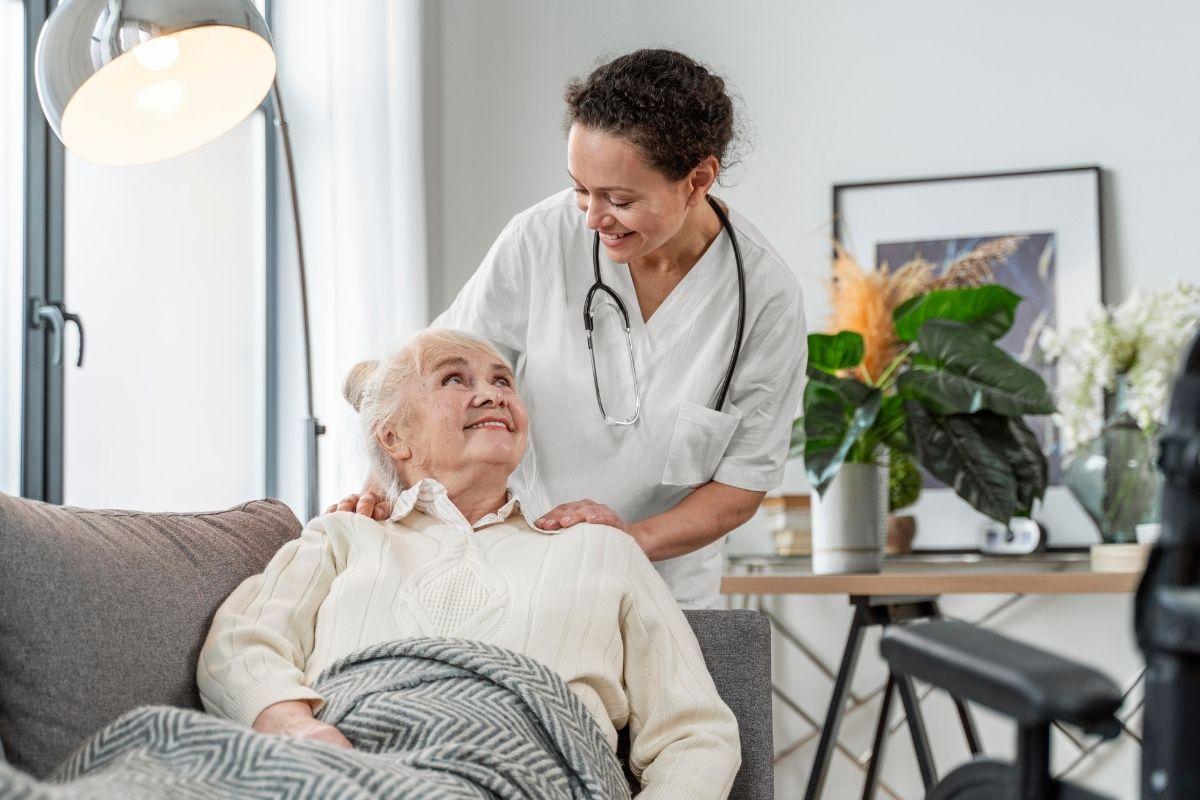
Home rehabilitation has become an essential part of recovery for patients managing injury, surgery, or chronic conditions. Integrating a Doctor at home into rehabilitation programs strengthens outcomes by combining medical supervision with the comfort of a familiar environment. When professional care is delivered directly to the patient, rehabilitation becomes more consistent, personalized, and effective, allowing individuals to progress safely while maintaining independence and motivation throughout the healing process.
Enhanced Medical Oversight in Daily Recovery:
Home rehabilitation often involves exercises and routines performed without constant clinical supervision. Doctor visits at home ensure medical oversight is woven into daily recovery activities. Physicians can assess physical responses, track progress, and identify early warning signs that may be overlooked in unsupervised programs. This close monitoring improves safety while ensuring that rehabilitation plans evolve appropriately with the patient’s condition.
Personalized Rehabilitation Planning:
Every patient’s recovery journey is unique, and home visits allow doctors to tailor rehabilitation plans based on real-life conditions. By observing the home environment, physicians can adjust exercises, recommend modifications, and align therapy goals with the patient’s physical capabilities. Personalized planning often includes:
-
Customized exercise intensity
-
Environment-specific movement strategies
-
Adjustments based on pain or fatigue levels
-
Alignment with long-term recovery goals
This approach maximizes effectiveness and reduces the risk of setbacks.
Improved Consistency and Compliance:
One of the biggest challenges in home rehabilitation is maintaining consistency. Doctor involvement reinforces accountability and encourages patients to adhere to prescribed routines. Regular check-ins motivate patients to stay engaged and committed, as progress is measured and acknowledged. Consistent participation significantly improves recovery outcomes and shortens rehabilitation timelines.
Reduced Risk of Complications:
Improper technique, overexertion, or missed warning signs can lead to complications during rehabilitation. Home visits allow doctors to correct movements, assess swelling or pain, and intervene before minor issues become serious. Early detection reduces the likelihood of hospital readmissions and supports a safer rehabilitation process overall.
Better Coordination with Therapists:
Rehabilitation often involves multiple professionals, including physical or occupational therapists. A doctor visiting the home can coordinate care by aligning medical guidance with therapeutic goals. This collaboration ensures that treatment plans are cohesive rather than fragmented. Clear coordination leads to:
-
Unified recovery strategies
-
Reduced conflicting instructions
-
Efficient use of therapy sessions
-
Improved communication among care providers
Such alignment enhances the quality and efficiency of home rehabilitation programs.
Emotional Support and Patient Confidence:
Recovery can be emotionally challenging, especially when progress feels slow. Receiving medical care at home provides reassurance and emotional comfort, helping patients feel supported throughout the process. Doctors can address concerns directly, explain progress clearly, and encourage realistic expectations, which boosts confidence and reduces anxiety associated with recovery.
Support for Family and Caregivers:
Home rehabilitation often depends on family members or caregivers for assistance. Doctor visits provide education and guidance to those supporting the patient, ensuring they understand safe practices and warning signs. Caregivers benefit from:
-
Hands-on demonstrations of care techniques
-
Clear instructions for daily support
-
Confidence in managing recovery tasks
-
Reduced stress from uncertainty
Well-informed caregivers play a crucial role in sustaining effective rehabilitation at home.
Adaptation to the Home Environment:
Rehabilitation success depends heavily on how well exercises and routines fit into the patient’s living space. Doctors can recommend practical adjustments such as furniture placement, mobility aids, or safety improvements. These adaptations make daily movements safer and encourage patients to practice rehabilitation activities more frequently and confidently within their own surroundings.
Encouragement of Preventive Care:
Home rehabilitation is not only about recovery but also about preventing future injuries or relapses. Doctors can integrate preventive strategies into rehabilitation plans, such as posture correction, balance training, and lifestyle guidance. Preventive care reduces long-term healthcare needs and supports sustained physical well-being beyond the rehabilitation period.
Time and Cost Efficiency:
Frequent clinic visits for follow-ups can be time-consuming and costly, particularly for patients with limited mobility. Home-based medical oversight reduces travel, waiting times, and indirect expenses. By addressing issues early and optimizing recovery plans, families save resources while maintaining high-quality care throughout the rehabilitation journey.
Long-Term Functional Independence:
The ultimate goal of rehabilitation is restoring independence and quality of life. Home visits support this goal by focusing on functional improvements that matter most in daily living. Doctors can assess progress in real-world tasks such as walking, self-care, and household movement, ensuring rehabilitation translates into meaningful, lasting independence.
Final Thoughts
Home rehabilitation programs thrive when medical expertise is closely integrated into the recovery environment. By providing personalized oversight, emotional reassurance, and coordinated care, a Doctor at home strengthens rehabilitation outcomes and supports safer, more efficient healing. This approach empowers patients and caregivers alike, transforming home rehabilitation into a structured, confident, and sustainable path toward long-term recovery and independence.



 About SPORTIVO Network

 Czech
Czech
 English
 Arabic
 French
 Spanish
 Portuguese
 Deutsch
 Turkish
 Dutch
Dutch
 Italiano
 Russian
 Romaian
 Portuguese (Brazil)