


 About SPORTIVO Network
Fire and Restoration: Rebuilding After the Flames
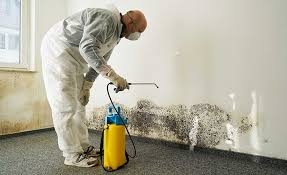
Fire is one of the most devastating events a property can experience. In a matter of minutes, flames can destroy structures, personal belongings, and livelihoods. Yet the damage caused by fire extends far beyond what is immediately visible. Smoke, soot, heat, and water used to extinguish the blaze all contribute to complex and long-lasting destruction. Fire restoration is the critical process that restores safety, structure, and normalcy after such a disaster.
This article explores the nature of fire damage and restoration process, and why professional fire restoration services are essential for recovery.
Understanding Fire Damage
Fire damage is multifaceted and often underestimated. Even small fires can cause extensive secondary damage throughout a building.
1. Fire and Heat Damage
Direct flames can weaken structural components such as beams, walls, and flooring. High temperatures may warp metal, crack concrete, and compromise the integrity of the entire structure—even in areas untouched by flames.
2. Smoke and Soot Damage
Smoke spreads quickly, penetrating walls, insulation, HVAC systems, and personal belongings. Soot, a byproduct of incomplete combustion, is acidic and can corrode metals, discolor surfaces, and permanently damage electronics, fabrics, and finishes if not removed promptly.
3. Water and Chemical Damage
Firefighting efforts often involve large volumes of water and fire suppressants. This can lead to water damage, mold growth, and contamination, further complicating the restoration process.
The Fire Restoration Process
Fire restoration is a specialized discipline that requires training, experience, and advanced equipment. The goal is not only to repair damage but to return the property to a safe, habitable condition.
Step 1: Emergency Response and Assessment
Restoration begins with a rapid response. Professionals assess the extent of fire, smoke, and water damage, identify safety hazards, and develop a comprehensive restoration plan.
Step 2: Securing the Property
To prevent further damage or unauthorized access, restoration teams may board up windows, tarp roofs, and stabilize weakened structures.
Step 3: Water Removal and Drying
Standing water from firefighting efforts is extracted, and industrial drying equipment is used to prevent mold growth and secondary water damage.
Step 4: Smoke and Soot Removal
Specialized techniques and cleaning agents are used to remove soot from walls, ceilings, and contents. Air scrubbers and deodorization methods help eliminate smoke odors at the molecular level.
Step 5: Cleaning and Sanitizing
All salvageable belongings, surfaces, and structural components are thoroughly cleaned and disinfected. This step is essential for health and indoor air quality.
Step 6: Repair and Reconstruction
Damaged materials such as drywall, flooring, and insulation are repaired or replaced. The final phase restores the property to its pre-fire condition—or better.
Why Professional Fire Restoration Matters
Attempting to clean fire damage without proper training can worsen the situation. Improper soot removal can permanently stain surfaces, and lingering smoke residue can cause ongoing health issues.
Professional fire restoration services offer:
-
Expert knowledge of fire behavior and material restoration
-
Advanced equipment for cleaning, deodorization, and drying
-
Compliance with safety and insurance standards
-
Faster recovery, reducing long-term costs and disruptions
Most restoration companies also work directly with insurance providers, helping property owners navigate claims and documentation during a stressful time.
Health and Safety Considerations
Fire residue often contains toxic substances, including carbon monoxide byproducts, chemicals from burned materials, and fine particulate matter. Without proper remediation, these contaminants can cause respiratory issues, allergic reactions, and other health problems. Thorough restoration protects not only the structure but the well-being of occupants.
Moving Forward After a Fire
Fire is a life-altering event, but it does not have to be the end of a property’s story. With prompt action and professional restoration, buildings can be safely restored, and lives can begin to return to normal.
Fire restoration is more than construction—it is recovery. It represents resilience, renewal, and the careful rebuilding of what was lost. When handled correctly, restoration transforms devastation into a foundation for a stronger future.

 Czech
Czech
 English
 Arabic
 French
 Spanish
 Portuguese
 Turkish
 Dutch
Dutch
 Italiano
 Russian
 Romaian
 Portuguese (Brazil)
 Greek
Greek