


 About SPORTIVO Network
How Is a Ventilation Mold Built Step by Step?
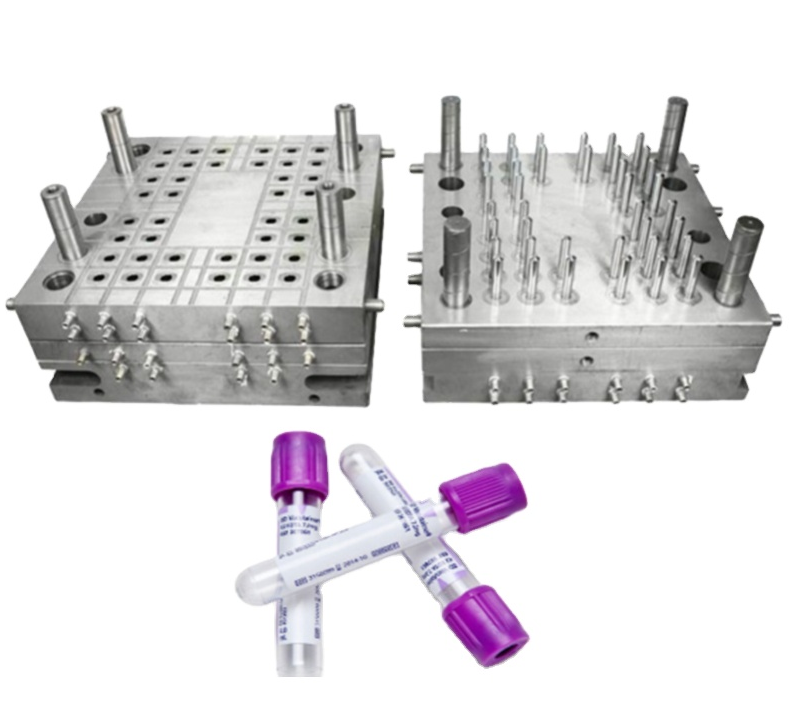
The production of ventilation molds involves much more than cutting steel. Every stage, from product analysis to final testing, contributes to the quality of the finished tool. An experienced Ventilation Mold Manufacturer follows a structured process that combines engineering, machining, inspection, and trial production.
Ventilation products often feature complex airflow passages and decorative surfaces, making careful planning essential.
Product Design Review
Engineers study several characteristics before mold design begins:
Product dimensions.
Material selection.
Wall thickness.
Draft angle.
Shrinkage.
Assembly requirements.
Three-dimensional CAD models help identify potential manufacturing challenges.
Mold Flow Simulation
Simulation software predicts:
Filling patterns.
Air traps.
Weld lines.
Pressure distribution.
Cooling efficiency.
Early analysis can reduce design modifications after machining begins.
Simulation is widely used to improve cooling balance and reduce warpage risks.
Steel Preparation
Steel blocks undergo several machining operations:
Rough milling.
Heat treatment.
Stress relief.
Finish machining.
Stress relief reduces internal deformation during later processing.
Precision Machining
Modern equipment may include:
High-speed CNC centers.
EDM machines.
Wire EDM.
Grinding machines.
Critical cavity dimensions may be controlled within ±0.01 mm.
Mold Assembly
After machining, components are assembled.
Key parts include:
Core and cavity.
Guide pillars.
Sliders.
Lifters.
Ejector system.
Cooling circuits.
Assembly alignment affects part quality and mold life.
Polishing and Surface Treatment
Surface finishing depends on product requirements.
Processes include:
Mirror polishing.
Fine polishing.
Chemical texture.
EDM texture.
Surface finish influences both appearance and demolding performance.
Mold Trial
Trial production validates mold performance.
Engineers evaluate:
Filling balance.
Cooling efficiency.
Venting.
Product dimensions.
Surface quality.
Ejection stability.
Proper venting reduces burn marks and incomplete filling in thin-wall ventilation products.
Quality Inspection
Inspection equipment may include:
CMM measurement.
Height gauges.
Hardness testers.
Surface roughness instruments.
Each component is checked before shipment.
Future Manufacturing Trends
Modern workshops continue adopting digital engineering and automation.
Emerging technologies include:
Smart mold monitoring.
Automated machining cells.
Sensor-based maintenance.
Conformal cooling structures.
Digital production records.
These developments help improve production consistency while reducing unplanned maintenance.
A professional Ventilation Mold Manufacturer approaches tooling as a complete engineering project. Careful planning, precision machining, balanced cooling, effective venting, and detailed inspection work together to create molds capable of supporting stable production across automotive, HVAC, industrial, and consumer ventilation applications.

 Czech
Czech
 English
 Arabic
 French
 Spanish
 Deutsch
 Turkish
 Dutch
Dutch
 Italiano
 Russian
 Romaian
 Portuguese (Brazil)
 Greek
Greek