Metformin is one of the most commonly prescribed medicines for type 2 diabetes worldwide. Doctors often recommend it as the first-line treatment because it is effective, well-studied, affordable, and generally safe for long-term use. If you have recently been diagnosed with type 2 diabetes—or are already taking metformin—understanding how it works and how to use it correctly can help you manage your blood sugar better and protect your long-term health.
What Is Metformin?
Metformin hcl 500 mg is an oral antidiabetic medication that belongs to a group called biguanides. It helps lower blood glucose levels without causing sudden drops in blood sugar. Unlike insulin, metformin does not force the body to produce more insulin. Instead, it helps the body use insulin more effectively.
Metformin is available in regular-release and extended-release (ER) forms and may be prescribed alone or in combination with other diabetes medicines.
How Does Metformin Work?
Metformin controls blood sugar through three main actions:
-
Reduces glucose production in the liver
The liver releases glucose into the bloodstream. Metformin slows this process, especially between meals and overnight.
-
Improves insulin sensitivity
It helps muscle and fat cells respond better to insulin, allowing glucose to move into cells more easily.
-
Decreases glucose absorption from food
Metformin slightly reduces how much sugar is absorbed from the intestines after meals.
Because of these effects, metformin helps lower fasting blood sugar and HbA1c levels over time. You can also visit dosepharmacy to get more information about metformin.
Why Is Metformin the First Choice for Type 2 Diabetes?
Doctors often prescribe metformin first because it:
-
Effectively lowers blood sugar
-
Does not usually cause weight gain
-
Has a low risk of hypoglycemia (low blood sugar)
-
Is suitable for long-term use
-
Is affordable and widely available
For many patients, metformin alone is enough to control diabetes, especially when combined with healthy lifestyle changes.
How to Take Metformin Correctly
Metformin is usually taken once or twice daily with meals to reduce stomach-related side effects.
General Tips:
-
Take it at the same time every day
-
Swallow tablets whole (do not crush extended-release tablets)
-
Follow your doctor’s dosage instructions carefully
Your doctor may start you on a low dose and gradually increase it to allow your body to adjust.
Common Side Effects of Metformin
Most side effects are mild and temporary, especially when starting treatment.
Common Side Effects:
These usually improve within a few weeks. Taking metformin with food helps reduce stomach issues.
Rare but Serious Side Effect:
Always inform your doctor if side effects are severe or persistent.
Who Should Be Careful with Metformin?
Metformin may not be suitable for everyone.
Extra caution is needed if you have:
Your doctor may order regular kidney function tests while you are on metformin.
Metformin and Lifestyle Changes
Metformin works best when combined with healthy lifestyle habits, such as:
-
Eating a balanced, low-sugar diet
-
Exercising regularly (30 minutes most days)
-
Maintaining a healthy weight
-
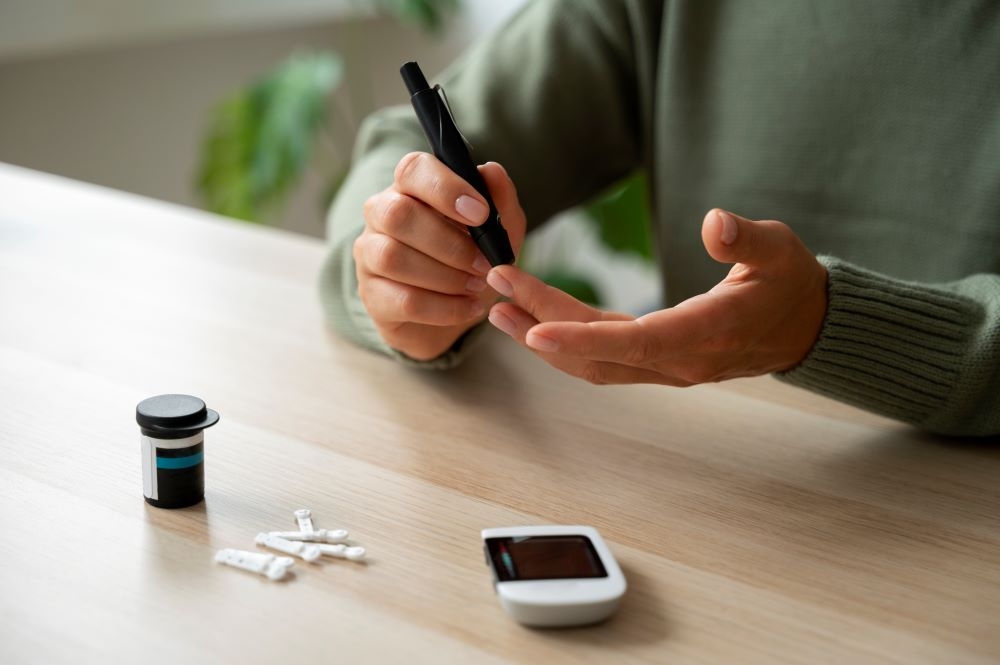
Monitoring blood sugar levels
Medication alone is not enough—daily habits play a major role in diabetes control.
Long-Term Use of Metformin
Metformin is considered safe for long-term use and is often taken for many years. However, long-term users may develop vitamin B12 deficiency, so doctors may recommend periodic blood tests.
Regular follow-ups help ensure:
When to See Your Doctor
Contact your doctor if:
-
Blood sugar remains high despite treatment
-
You experience severe stomach pain or weakness
-
You notice symptoms of low vitamin B12 (fatigue, tingling)
-
You plan surgery or medical imaging with contrast dye
Your treatment plan may need adjustment over time.
FAQs
1. Does metformin cure type 2 diabetes?
No. Metformin helps control blood sugar but does not cure diabetes. Long-term management is needed.
2. Can metformin cause low blood sugar?
Metformin alone rarely causes hypoglycemia, especially compared to other diabetes medicines.
3. Should metformin be taken with food?
Yes. Taking it with meals helps reduce stomach side effects.
4. Can metformin help with weight loss?
Some people experience mild weight loss due to improved insulin sensitivity and reduced appetite.
5. How long does metformin take to work?
Blood sugar levels may start improving within days, but full benefits are usually seen in 2–3 months.
6. Is metformin safe for older adults?
Yes, if kidney function is normal and the dose is adjusted properly.
7. What happens if I miss a dose?
Take it as soon as you remember unless it’s close to the next dose. Do not double the dose.
8. Can metformin be stopped once blood sugar improves?
Only under a doctor’s guidance. Stopping suddenly may cause blood sugar to rise again.
9. Does metformin affect the kidneys?
Metformin itself does not damage kidneys, but it may not be suitable if kidney function is already poor.
10. Can metformin be combined with other diabetes medicines?
Yes. It is often combined with insulin or other oral medications for better control.
Metformin is a trusted and effective medication for managing type 2 diabetes. When taken correctly and combined with healthy lifestyle choices, it helps control blood sugar, reduce complications, and improve overall quality of life. Understanding how metformin works, its benefits, and its precautions empowers patients to take an active role in their diabetes care. Always follow your doctor’s advice and attend regular check-ups to get the best results from your treatment.



 Android App
 About SPORTIVO Network

 Czech
Czech
 English
 Arabic
 French
 Portuguese
 Deutsch
 Turkish
 Dutch
Dutch
 Italiano
 Russian
 Romaian
 Portuguese (Brazil)
 Greek
Greek