


 About SPORTIVO Network
Which Cell Format Performs Better?
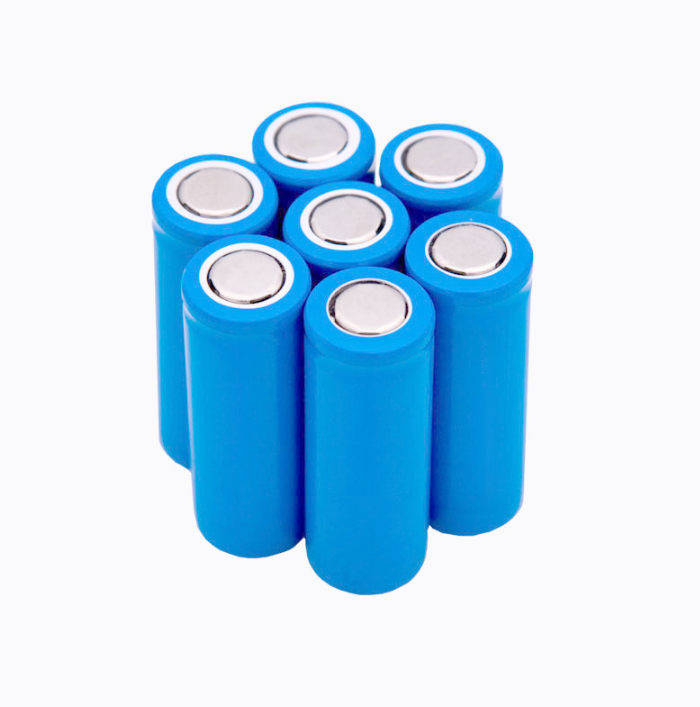
Lithium-ion battery systems primarily use three formats: cylindrical, prismatic, and pouch cells. Each structure affects energy density, thermal performance, manufacturing cost, and mechanical behavior. Within global battery markets, Cylindrical Cells Supply remains one of the most established and standardized supply chains.
Energy Density and Packing Efficiency
Energy density differs significantly depending on format:
Cylindrical cells: 180–260 Wh/kg
Prismatic cells: 200–300 Wh/kg
Pouch cells: 220–350 Wh/kg
Cylindrical formats have lower volumetric efficiency due to inter-cell gaps but compensate with structural rigidity and consistency in mass production.
Thermal Management Differences
Thermal behavior plays a major role in battery design decisions:
Cylindrical:
Radial heat dissipation
Easier airflow channel integration
Lower hotspot probability in distributed layouts
Prismatic:
Larger surface area cooling
Requires thermal interface plates
Risk of uneven internal temperature gradients in large modules
Pouch:
Highest thermal sensitivity
Requires rigid external support structures
Mechanical Durability Comparison
Mechanical resilience ranking typically follows:
Cylindrical (steel casing, high compression resistance)
Prismatic (rigid shell, moderate structural strength)
Pouch (flexible film, highest deformation risk)
Cylindrical cells can withstand significant vibration and pressure, making them suitable for automotive and industrial environments.
Manufacturing and Cost Structure
Cylindrical production benefits from highly automated winding and assembly lines:
High production throughput
Lower defect variability
Easier cell replacement and grading
Prismatic and pouch cells often require more customized tooling and structural integration, increasing system-level complexity.
System Integration Considerations
Battery pack engineers choose formats based on:
Energy density requirements
Cooling system design
Mechanical space constraints
Cost per kWh target
Cylindrical systems often win in applications requiring reliability and standardized replacement logistics, while prismatic and pouch formats optimize space utilization.
Conclusion
Each battery format offers unique engineering advantages, but cylindrical architecture continues to dominate applications where consistency, mechanical stability, and scalable manufacturing are essential. A robust Cylindrical Cells Supply chain ensures stable performance across EV, ESS, and industrial systems while supporting global energy infrastructure growth.

 Czech
Czech
 English
 Arabic
 French
 Spanish
 Portuguese
 Deutsch
 Turkish
 Dutch
Dutch
 Italiano
 Russian
 Romaian
 Greek
Greek