


 Android App
 About SPORTIVO Network
The Anatomy of a Wreck: Which Car Parts Are Most Likely to Live On
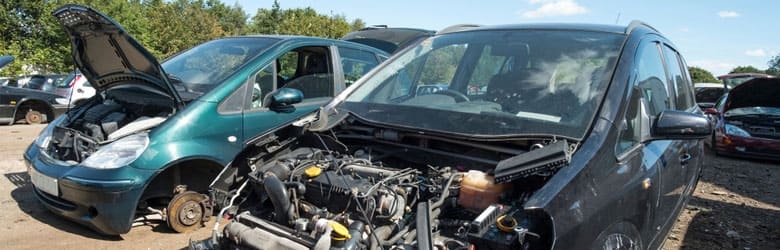
When a car reaches the end of its road life, many people assume it has no further use. A crash, flood, fire, or long-term wear can leave a vehicle unfit for driving. Even so, a wrecked car is far from useless. Inside every damaged vehicle are parts and materials that can continue to serve a purpose. This process plays a key role in the Australian automotive and recycling sectors.
This article explains which car parts are most likely to live on after a wreck. It also explains why these parts survive, how they are reused, and what happens to the rest of the vehicle.
What Happens After a Car Becomes a Wreck
Once a car is declared beyond repair or no longer roadworthy, it is usually taken to a wrecking yard. There, trained workers inspect it. The main aim is to identify parts that still work and materials that can be reused.
Before dismantling begins, fluids such as engine oil, brake fluid, and coolant are removed. This step reduces harm to soil and water. Batteries and airbags are also taken out early due to safety concerns.
After these steps, the real anatomy of the wreck is revealed.
Engines: One of the Longest Survivors
The engine is often the most valuable part of a wrecked car. Modern engines are built to last many years. A crash that damages the body does not always affect the engine. If the engine block is not cracked and internal parts are in working order, it can be reused.
Engines are tested before reuse. Compression tests and visual checks help confirm condition. Many engines from wrecked cars go on to power other vehicles of the same model. This reuse lowers demand for new engine production, which requires large amounts of energy and raw materials.
Transmissions and Gearboxes
Gearboxes often survive accidents, especially in front or rear impacts that miss the drivetrain. Both manual and automatic transmissions are made from strong metal casings. If these casings remain intact, the internal parts are often still usable.
Like engines, gearboxes are checked before resale. Their reuse supports repairs for older vehicles, where new parts may no longer be made.
Doors, Panels, and Body Sections
Body panels often show visible damage, yet not all panels are affected in a crash. Doors, bonnets, boots, and guards on the opposite side of impact may remain in good shape. These parts are usually removed and stored.
Panels are popular in the used parts market. They help restore damaged cars without the need for new metal shaping. This also cuts down energy use linked to steel and aluminium production.
Wheels and Tyres
Alloy wheels are designed to handle heavy loads. In many wrecks, wheels remain undamaged. After inspection for cracks or bends, they can be reused.
Tyres are assessed for tread depth and sidewall damage. While not all tyres survive, many still meet safety limits. Those that do not are sent for recycling. In Australia, tyres are often processed into rubber products such as road base materials.
Interior Parts That Often Survive
The inside of a car is often well protected during a crash. Seats, seat frames, dashboards, door trims, and centre consoles may remain in good condition. These parts are removed with care.
Seat belts and airbags are treated differently. Once deployed, airbags cannot be reused. Seat belts are often replaced as a safety measure, even if they appear undamaged.
Interior parts help extend the life of other vehicles and reduce waste from synthetic materials.
Electrical and Electronic Components
Modern cars contain many electronic parts. These include alternators, starter motors, control modules, sensors, and infotainment units. Many of these parts survive wrecks, especially if the damage is limited to the exterior.
Each electrical part is tested before reuse. This testing helps avoid faults after installation. Reusing electronics also reduces demand for rare metals used in circuits.
Glass: A Mixed Outcome
Windscreens often shatter during crashes. Side and rear windows may survive. Intact glass panels are removed and stored.
Broken glass is not wasted. Automotive glass can be recycled into new glass products or used in construction materials. This recycling helps reduce landfill use.
Exhaust Systems and Radiators
Exhaust parts made from steel often survive unless crushed. Radiators may be damaged in front-end collisions, though side or rear impacts often leave them intact.
Reusable exhaust parts help maintain older cars. Metal from damaged exhausts is recycled, which saves energy compared to mining new ore.
The Role of Metals in a Wrecked Car
A typical car contains large amounts of steel, aluminium, and copper. After all reusable parts are removed, the remaining shell is crushed. This crushed metal is sent to recycling plants.
Recycling steel uses far less energy than producing new steel from iron ore. Aluminium recycling also saves energy and lowers emissions. Copper wiring is stripped and melted for reuse. These facts show how even the bare shell has worth.
Why Some Parts Do Not Live On
Not all parts can be reused. Safety systems such as airbags are single-use. Fluids break down over time and must be replaced. Rubber parts may crack or degrade.
These limits exist to protect drivers and passengers. Safety always comes before reuse.
Environmental Impact of Part Reuse
Car recycling plays a large role in waste reduction. According to industry estimates, up to 80 percent of a car by weight can be reused or recycled. This keeps large volumes of material out of landfills.
Lower demand for new parts reduces mining, energy use, and emissions. This impact reaches beyond the automotive sector.
Local Wrecking Services and the Salvage Cycle
Local wrecking services connect vehicle owners with the dismantling process. One example is North Brisbane Wreckers, which handles damaged and end-of-life vehicles from the area. When owners look for Cash for Junk Car options, services like this help move vehicles from roads and yards into reuse and recycling streams. Parts that still work are sorted, while metals and other materials are sent for recycling. This link supports the life cycle of car parts across Queensland.
Economic Role of Living-On Parts
Used car parts support repair shops and drivers. They keep older vehicles running and reduce repair costs. They also support jobs in dismantling, transport, and metal processing.
Each part that lives on supports this wider network.
Closing Thoughts
A wrecked car is not the end of the story. Engines, gearboxes, panels, wheels, and many other parts often survive. Even when parts cannot be reused, materials live on through recycling.
The anatomy of a wreck shows how much life remains after damage. Through careful dismantling and reuse, vehicles continue to serve a role long after their final drive.

 Czech
Czech
 Arabic
 French
 Spanish
 Portuguese
 Deutsch
 Turkish
 Dutch
Dutch
 Italiano
 Russian
 Romaian
 Portuguese (Brazil)
 Greek
Greek