


 Android App
 About SPORTIVO Network
Can a Scrapped Car Become a Showpiece? The Long Road Back
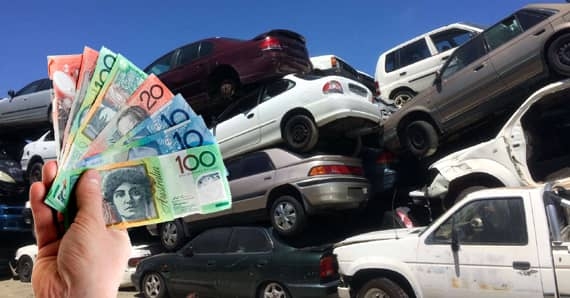
At first glance, a scrapped car looks like the end of the line. Bent panels, worn paint, missing parts, and years of use can make a vehicle look beyond hope. Many people see such cars as nothing more than metal waiting to be crushed. Even so, history and practice show that some scrapped cars do return in a new form. A few even reach car shows and public displays.
This journey is not short and it is not common. Turning a scrapped car into a showpiece takes time, planning, skill, and a clear understanding of limits. This article explains how this process works in Australia, which cars stand a chance, and why many do not.
What Does Scrapped Really Mean
A scrapped car is a vehicle removed from normal road use. It may have failed inspection, suffered major damage, or reached a point where repairs cost more than the car is worth as transport. In Australia, some scrapped cars are classed as repairable write-offs, while others are statutory write-offs.
Repairable write-offs may return to the road after checks. Statutory write-offs can not be registered again. Even so, both types can be used for parts, display builds, or off-road projects.
This legal difference shapes what is possible later.
Why Some Scrapped Cars Get a Second Chance
Not every scrapped car suits a rebuild. Some stand out due to design, rarity, or history. Classic models, limited editions, and older performance cars often attract attention. Their shape, engine layout, or past role can justify the effort.
Another reason is emotional connection. An owner may wish to restore a family car or a model linked to a personal story. In such cases, the goal is not daily driving. The aim is preservation or display.
These factors explain why only a small number of scrapped cars start the road back.
The Condition of the Base Vehicle
The starting condition matters more than many expect. Severe rust in the chassis can stop a project before it begins. Bent frames also limit options. While panels can be replaced, the core structure must be sound or repairable.
Builders often strip the car to bare metal early. This reveals hidden damage. At this stage, many projects end because repairs become too complex.
This step protects time and resources.
Stripping Down to the Shell
A full rebuild starts with removal of all parts. Engine, gearbox, suspension, wiring, glass, and interior are taken out. Each item is inspected.
Parts in usable condition are cleaned and stored. Others are replaced or sourced later. This process can take weeks or months, depending on the car.
During this stage, builders also label and record parts. This helps during reassembly.
Bodywork and Structural Repair
Body repair is one of the longest stages. Rust sections are cut out and replaced. Dents are corrected. Panels are aligned to factory gaps. Welds are smoothed and sealed.
Australian climate plays a role here. Coastal cars often suffer salt damage, while inland cars may have sun and heat wear. Each issue requires a different approach.
Once repairs finish, the body is prepared for paint. Paint quality shapes the final look more than any other step.
Engine and Mechanical Rebuild
A showpiece car does not always need to run, but many builders aim for a working engine. Engines from scrapped cars often need a full rebuild. Bearings, seals, pistons, and gaskets are checked or replaced.
Suspension and brakes also receive attention. Even display cars need to move safely during transport.
Mechanical work must meet safety rules if the car will ever be driven, even for short distances.
Interior Restoration
The interior tells much of the car story. Seats may need new foam and trim. Dashboards often crack from sun exposure. Carpets fade and wear.
Builders either restore original materials or recreate them. In Australia, sourcing correct trim for older cars can take time.
A clean and accurate interior often sets a show car apart from a normal rebuild.
Paint, Finish, and Detail
Paint is more than colour. It includes preparation, primer, layers, and curing. A show finish reflects light evenly and shows no waves or marks.
Details such as badges, chrome, and seals also matter. Many hours go into small items that casual viewers may not notice.
This stage often takes as long as all others combined.
Legal Limits and Registration Reality
A key fact is that not every rebuilt car can return to public roads. Statutory write-offs in Australia can not be registered again. These cars may still become showpieces, but only for display or private land use.
Repairable write-offs must pass identity and safety checks. Records follow the car for life. Buyers and owners must accept this history.
This legal reality shapes many rebuild choices.
Cost Versus Outcome
Turning a scrapped car into a showpiece often costs more than buying a finished one. Parts, labour, paint, and time add up. This is why most projects are passion driven, not profit driven.
Builders accept that the return is visual and personal, not financial.
This explains why the road back is long and rare.
Role of Wrecking Yards in the Process
Wrecking yards supply many parts used in rebuilds. Panels, engines, trim, and hardware often come from similar models. This keeps older cars alive in a different form.
One example is Cash 4 Cars Townsville, which handles unwanted vehicles and feeds parts back into the system. People searching for Car Wreckers near me often find that such yards help builders source missing items from cars that can no longer be saved. This link between scrapped vehicles and rebuild projects supports the long journey from wreck to display.
When a Scrapped Car Can Not Be Saved
Many scrapped cars never return. Severe fire damage, deep corrosion, or missing paperwork can stop any plan. In these cases, the car still plays a role through parts and metal recycling.
Steel, aluminium, and copper from these cars are reused. This reduces demand for raw materials and lowers waste.
Even without a show finish, the car still serves a purpose.
Real Examples from Australian Car Culture
Australian car shows feature restored vehicles that once sat in paddocks or sheds. Older Holdens, Fords, and imports often share this past. Builders document years of work before the first public display.
These stories show what is possible, but they also show how rare such outcomes are.
Final Thoughts
A scrapped car can become a showpiece, but only in specific cases. The process demands patience, skill, and acceptance of limits. Legal rules, condition, and cost shape every step.
For most vehicles, the journey ends at dismantling and recycling. For a few, it begins again through restoration and display. This long road back explains why such cars draw attention and respect when they finally appear under show lights.

 Czech
Czech
 English
 Arabic
 French
 Spanish
 Portuguese
 Deutsch
 Turkish
 Dutch
Dutch
 Italiano
 Russian
 Portuguese (Brazil)
 Greek
Greek