


 Android App
 About SPORTIVO Network
How Businesses Can Accelerate Payment Cycles Efficiently
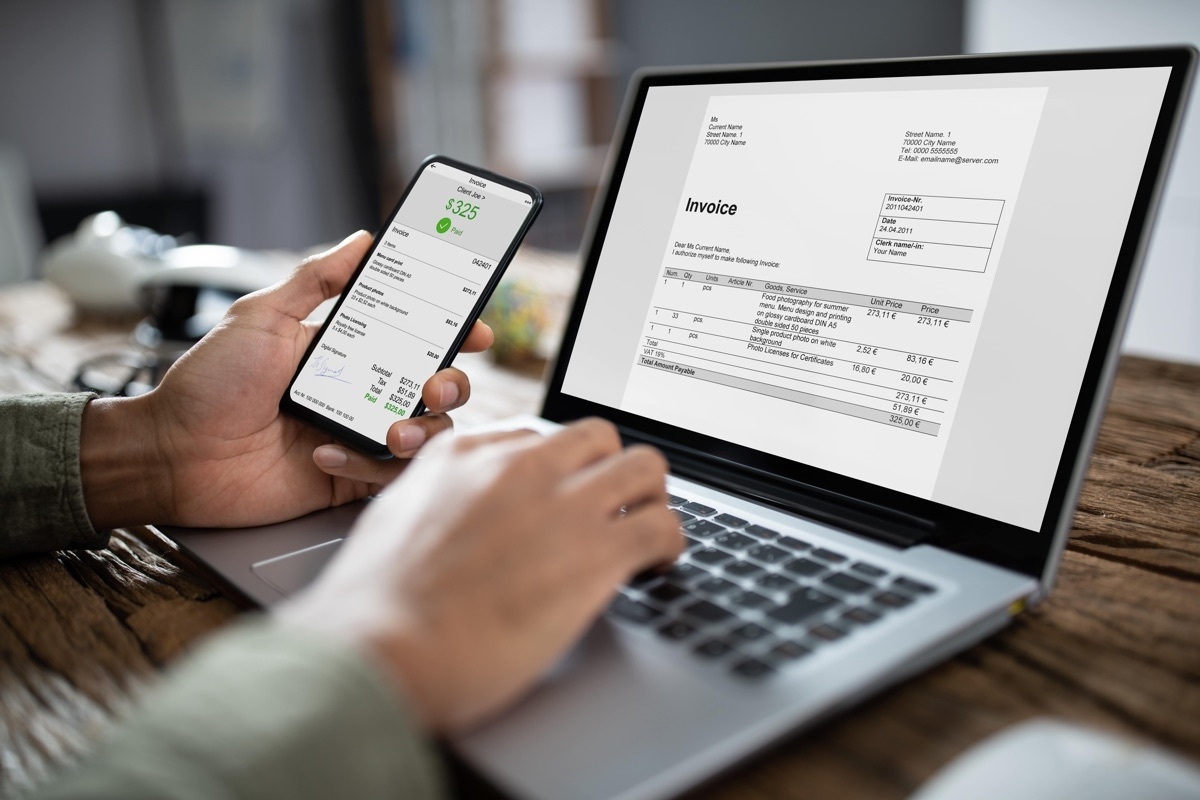
Efficient payment cycles are critical for the financial health of any business. Slow payments can negatively affect cash flow, delay operations, and strain relationships with suppliers and vendors. Companies often struggle with lengthy manual processes, errors, and inconsistent approvals that delay payments unnecessarily.
Accelerating payment cycles not only improves cash flow but also builds stronger vendor relationships and boosts operational efficiency. By adopting strategic processes and leveraging technology, businesses can streamline workflows, reduce errors, and ensure payments are processed quickly and accurately. This article explores practical strategies for accelerating payment cycles efficiently while maintaining accuracy and compliance.
Understanding the Payment Cycle
Before optimizing payments, it’s essential to understand the payment cycle and its components.
The payment cycle begins when a vendor submits an invoice and ends when the payment is successfully made. Common steps include invoice receipt, verification, approval, and payment execution. Each step carries potential delays:
Manual approvals: Paper-based or email-based approvals can take days, especially if multiple sign-offs are required.
Data entry errors: Manual entry of invoice details can result in mistakes that require corrections and cause delays.
Missed or lost invoices: Invoices may be misplaced in large organizations, leading to delayed processing.
Slow payment cycles can negatively impact cash flow, reduce working capital efficiency, and strain supplier relationships. Vendors may impose penalties for late payments or hesitate to provide favorable terms, which can affect operational flexibility.
Leveraging Automation for Faster Payments
One of the most effective ways to accelerate payment cycles is by implementing automation in accounts payable processes. Automated systems reduce the reliance on manual intervention, speed up approvals, and minimize errors.
Using invoice processing software, businesses can automate invoice capture, validation, and approval workflows. This type of software offers several benefits:
Faster invoice approvals: Invoices are routed automatically to the appropriate approvers, reducing bottlenecks.
Reduced manual errors: Automated data extraction minimizes mistakes in invoice details, ensuring accurate payments.
Centralized tracking: Managers can monitor the status of each invoice in real time, avoiding delays and missed payments.
Automation ensures that invoices are processed promptly, freeing staff from repetitive tasks and enabling faster, more reliable payment cycles.
Implementing Standardized Processes
Standardizing payment processes is another key strategy for improving efficiency. Clear, consistent procedures prevent confusion, reduce errors, and minimize delays.
Create clear submission guidelines: Define how vendors should submit invoices, including acceptable formats and required documentation.
Establish approval hierarchies: Standardize the steps for invoice approvals to prevent delays caused by uncertainty.
Centralize invoice management: Using a centralized system allows staff to track invoice status, detect bottlenecks, and manage all invoices in one place.
By implementing standardized workflows, businesses reduce processing times and ensure that invoices move seamlessly from receipt to payment.
Enhancing Vendor Communication
Effective communication with vendors is crucial for maintaining smooth payment cycles. Transparency and timely updates prevent misunderstandings and help resolve issues before they delay payments.
Notify vendors of payment schedules: Providing estimated payment dates sets clear expectations and reduces inquiries.
Resolve disputes early: Address any discrepancies in invoice details promptly to avoid late payments.
Use digital communication platforms: Secure portals or integrated systems allow vendors to track invoice status in real time.
Strong vendor communication reduces delays caused by uncertainty, enhances trust, and improves overall efficiency in accounts payable.
Using Data and Analytics to Improve Efficiency
Data-driven insights can play a significant role in accelerating payment cycles. By monitoring key metrics, businesses can identify areas for improvement and optimize workflows.
Track payment performance: Metrics such as average payment time, late payments, and overdue invoices highlight bottlenecks.
Analyze invoice patterns: Identifying recurring issues or departments causing delays allows targeted process improvements.
Leverage dashboards and reporting: Real-time dashboards provide visibility into invoice status, enabling managers to act quickly.
Integrating invoice processing software with analytics capabilities allows businesses to automate reporting and identify inefficiencies, which leads to faster processing and reduced delays in payment cycles.
Ensuring Compliance and Reducing Risk
Accelerated payment cycles must not compromise compliance or financial control. Businesses must maintain proper documentation, enforce audit trails, and adhere to internal and external regulations.
Maintain records: Digital systems automatically store invoices, approvals, and payment histories for audits.
Enforce approval rules: Automated checks ensure that invoices are approved according to internal policies.
Reduce fraud risk: Automation can flag suspicious invoices, ensuring that only legitimate payments are processed.
Using invoice processing software in the middle of operations ensures that payments are accurate, compliant, and secure while maintaining speed and efficiency.
Future Trends in Payment Cycle Optimization
The future of accounts payable and payment cycles is closely tied to technology. Emerging trends promise further efficiency and faster processing:
AI and machine learning: Predictive analytics can anticipate cash flow needs, optimize payment timing, and detect anomalies in invoices.
Integrated ERP systems: Seamless integration of accounting, procurement, and payment systems enables end-to-end automation.
Digital payment solutions: Adoption of virtual cards, electronic payments, and blockchain-based systems accelerates fund transfers while reducing errors.
By embracing these innovations, businesses can accelerate payment cycles while improving accuracy, transparency, and control.
Conclusion
Accelerating payment cycles is essential for maintaining strong cash flow, optimizing working capital, and building reliable vendor relationships. Slow and error-prone processes can lead to missed payments, strained supplier relationships, and operational inefficiencies.
By leveraging automation and invoice processing software, businesses can streamline approvals, reduce manual errors, and gain real-time visibility into invoice status. Standardized workflows, effective vendor communication, and data-driven decision-making further enhance efficiency.
Incorporating these strategies not only accelerates payments but also strengthens financial operations, improves vendor trust, and positions businesses for sustainable growth. Companies that embrace automation and modern payment management tools are better equipped to meet the demands of a fast-paced, digital business environment.

 Czech
Czech
 Arabic
 French
 Spanish
 Portuguese
 Deutsch
 Turkish
 Dutch
Dutch
 Italiano
 Russian
 Romaian
 Portuguese (Brazil)
 Greek
Greek