


 About SPORTIVO Network
Glucose Drip Therapy at Home: Benefits, Risks, and Myths
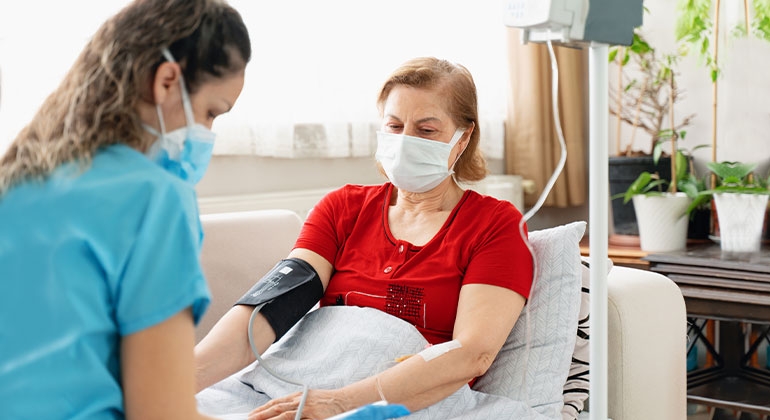
Home-based medical treatments are becoming increasingly popular, and one option often discussed is Glucose Drip at Home. Many people view it as a fast solution for weakness, dehydration, or low energy, but the reality is more complex. Understanding the true benefits, potential risks, and common misconceptions surrounding glucose drip therapy can help patients and caregivers make informed, medically sound decisions rather than relying on trends or assumptions.
What Glucose Drip Therapy Really Is:
Glucose drip therapy involves the intravenous administration of glucose-containing fluids directly into the bloodstream. It is intended to quickly correct low blood sugar levels or provide short-term energy support when oral intake is not possible or effective. This therapy is usually prescribed for specific medical conditions and is not designed to replace proper nutrition, balanced meals, or long-term dietary management.
Medical Situations Where It May Be Beneficial:
There are legitimate medical scenarios where glucose drip therapy can play a supportive role. Doctors may consider it when a patient cannot safely maintain blood sugar or hydration levels on their own. Situations where it may help include:
-
Acute hypoglycemia confirmed by testing
-
Severe dehydration due to illness
-
Temporary inability to eat or drink
In these cases, IV glucose serves as a short-term stabilization measure rather than a standalone treatment.
Potential Benefits of Home Administration:
When medically appropriate, receiving glucose therapy at home can offer practical advantages. Patients who are stable and properly assessed may benefit from:
-
Increased comfort in a familiar environment
-
Reduced need for hospital visits
-
Personalized care from a qualified healthcare professional
These benefits depend entirely on proper medical supervision and professional administration.
Risks Associated With Glucose Drip Therapy:
Despite its perceived simplicity, glucose drip therapy carries real risks. Incorrect dosage, improper administration, or lack of monitoring can lead to complications such as infection, fluid imbalance, or dangerous spikes in blood sugar levels. Patients with underlying conditions like diabetes, kidney disease, or heart problems are particularly vulnerable and require extra caution.
Importance of Professional Medical Oversight:
Safe glucose drip therapy depends on qualified medical involvement at every stage. A doctor must first determine whether the treatment is necessary, and trained healthcare professionals must administer and monitor the infusion. Medical oversight ensures:
-
Correct fluid selection and dosage
-
Sterile IV placement
-
Early detection of adverse reactions
Without professional care, the risks can outweigh the benefits.
Common Myths About Glucose Drips:
There are several misconceptions that lead people to request glucose drips unnecessarily. Common myths include:
-
It instantly boosts energy for everyone
-
It is a harmless alternative to eating
-
It can be taken routinely without medical advice
In reality, glucose drips are medical treatments, not wellness supplements, and misuse can be harmful.
Who Should Avoid This Therapy:
Not all patients are suitable candidates for glucose drip therapy, especially outside a hospital setting. Individuals who may need alternative care include:
-
Patients with uncontrolled diabetes
-
Those with chronic fluid retention issues
-
People requiring long-term nutritional support
For these groups, other medical interventions are often safer and more effective.
Comparing Glucose Drips to Other Treatment Options:
In many situations, less invasive options may adequately address mild symptoms. Oral rehydration, dietary changes, and rest are often sufficient for fatigue or mild dehydration. IV therapy should only be considered when these methods are ineffective or medically inappropriate, based on professional evaluation.
Final Thoughts
Glucose drip therapy can be helpful in specific, carefully assessed medical situations, but it is not a universal solution for tiredness or low energy. When prescribed appropriately and administered by qualified professionals, Glucose Drip at Home may offer short-term support, yet understanding its limitations is just as important as recognizing its benefits. Informed decisions, guided by medical expertise, are key to ensuring patient safety and effective care.

 Czech
Czech
 English
 Arabic
 French
 Spanish
 Deutsch
 Turkish
 Dutch
Dutch
 Italiano
 Russian
 Romaian
 Portuguese (Brazil)
 Greek
Greek