


 About SPORTIVO Network
How Handloom Rugs Bring Comfort and Style to Everyday Spaces
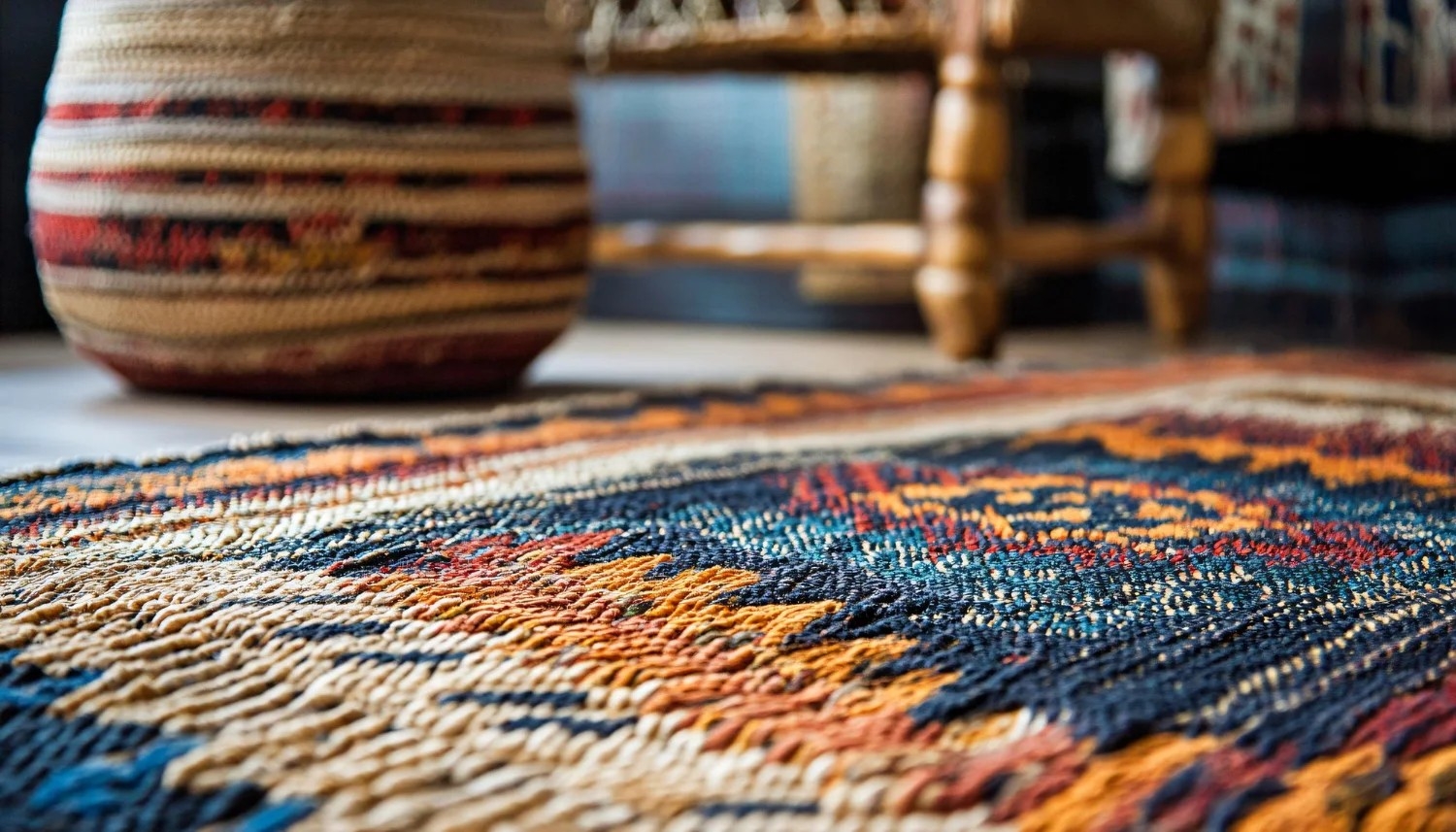
Handloom rugs are handcrafted floor coverings made using traditional weaving techniques. They add warmth, texture, and character to any room while lasting far longer than machine-made alternatives. For homes that value both quality and craftsmanship, a handloom rug is a practical and timeless investment.
There's a reason handloom rugs keep showing up in beautifully designed homes—they work. They anchor furniture, soften hard floors, and add a layer of warmth that no other decor element quite replicates. But beyond how they look, handloom rugs carry something more: the skill of a weaver who spent weeks, sometimes months, crafting every knot.
This post breaks down how handloom rugs are made, why they're worth the investment, how to style them in your home, and what to look for when you're ready to buy.
How Are Handloom Rugs Made?
Handloom rugs are woven on a loom—a frame that holds threads in place while a weaver interlaces yarn by hand. Unlike machine-made rugs, which are produced in bulk using automated processes, each handloom rug is shaped by human hands, one row at a time.
The materials matter here. High-quality handloom rugs typically use wool, silk, or cotton. Wool rugs are durable and naturally stain-resistant. Silk adds sheen and fine detail. Cotton makes for a flatter, lighter weave—ideal for casual or minimalist spaces.
India has been at the center of this craft for centuries. Towns like Bhadohi in Uttar Pradesh are recognized as South Asia's largest hub of hand-knotted carpet weaving. Weavers here pass techniques across generations, producing rugs that meet both traditional standards and modern design expectations.
What Makes Handcrafted Rugs in Delhi and India Special?
Handcrafted rugs in Delhi and across India benefit from a rich tradition of artisanship paired with strong access to raw materials. The weaving communities in cities like Bhadohi, Jaipur, and Warangal each bring distinct patterns, color palettes, and knotting techniques to their work.
This regional diversity means that no two handloom rugs are identical—a feature that machine production simply cannot replicate.
Why Choose Handloom Over Machine-Made?
The most obvious answer is quality. Handloom rugs are denser, more durable, and hold their shape over time. A well-maintained handloom rug can last decades. A machine-made rug, even a decent one, often shows wear within a few years.
Here's what else sets handloom rugs apart:
-
Better materials: Weavers use natural fibers that breathe, regulate temperature, and age well.
-
Sustainable production: Handloom weaving uses minimal electricity and relies on human skill, not industrial machinery.
-
Support for artisans: Buying a handloom rug directly supports the livelihoods of skilled craftspeople. Many weaving collectives—like those partnered with The Ambiente—employ thousands of women weavers from rural communities.
-
Unique character: Slight variations in pattern or color are part of what makes a handmade rug genuine.
Choose a handloom rug if you want a floor covering that holds up to daily use, improves with age, and carries craftsmanship that factory production can't match.
How to Style Handloom Rugs in Different Rooms
Handloom rugs are adaptable. The key is matching the rug's weight, texture, and pattern to the room's function and existing decor.
Living Room
Use a large rug to anchor your seating area. All four furniture legs—or at least the front two—should sit on the rug. For a modern space, go for a flat-weave in neutral tones. For a warmer, layered look, choose a thick wool rug with geometric patterns.
Bedroom
A rug under the bed adds comfort and visual grounding. Place it so it extends at least 24 inches on the sides and foot of the bed. Soft, high-pile wool works well here for warmth underfoot.
Dining Room
Pick a rug large enough so that chairs remain on it even when pulled back. A flat-weave or low-pile option is easier to clean in this space.
Home Office
A medium-sized rug defines the work zone and reduces noise. Dhurries—flat-woven cotton rugs—work particularly well in offices for their clean, structured look.
What to Look for When You Buy Handloom Rugs
Whether you plan to shop in person or buy carpets online in India, keep these points in mind before making a decision:
1. Fiber type: Wool for durability, silk for detail and sheen, cotton for casual and lightweight use.
2. Knot density: More knots per square inch generally means a higher-quality rug. Ask the seller for this information.
3. Size: Measure your space before buying. A rug that's too small will make a room feel disjointed.
4. Color fastness: Ask whether dyes are natural or chemical. Natural dyes age more gracefully.
5. Return policy and shipping: When you buy carpets online in India, confirm the return policy and check if the seller includes photos of the actual rug, not just stock images.
6. Sourcing transparency: Know where the rug is made and who made it. Brands with clear artisan networks give you confidence in what you're buying.
The Ambiente: Where Traditional Craft Meets Modern Design
For those looking for handcrafted rugs in Delhi backed by deep expertise, The Ambiente is worth knowing about. Founded by Avani Khandelwal—an MBA graduate from MDI Gurgaon—and co-built with her brother-in-law Ayush Baranwal, The Ambiente draws from 30 years of manufacturing experience through their parent company, Bhadohi Carpets.
The brand is based in Bhadohi, the heart of India's handmade carpet industry, with a flagship store at Pillar No. 11B, Mehrauli-Gurgaon Road, Sultanpur, New Delhi. They've served over 5,000 clients across India and internationally.
What makes The Ambiente stand out is its artisan model. The brand works with over 4,000 weavers—the majority of them women from rural communities—providing sustainable livelihoods and a platform for co-creation. Their collection spans ready-to-ship rugs and bespoke options in wool, silk, and blended materials.
Avani puts the goal plainly: "Our aim with The Ambiente is to disrupt the current rug market and create an online space that has a rug for every Indian home—from affordable to luxury."
For interior designers, architects, and homeowners looking to buy handloom rugs that carry genuine provenance, The Ambiente offers both the product range and the story behind it.
The Lasting Value of Handloom Rugs
A handloom rug does more than fill floor space. It brings a room together, absorbs sound, adds insulation, and holds a craft history that spans generations. As mass-produced home decor continues to flood the market, handloom rugs stand out for exactly what they are: made by hand, built to last, and worth every rupee.
If you're ready to invest in one, start with the right size and fiber for your space, look for sourcing transparency, and don't rush the decision. A good handloom rug is something you'll keep for years.
Ready to find yours? Visit The Ambiente's flagship store in New Delhi or browse their collection online to find handloom rugs that fit your space and your budget.
Frequently Asked Questions About Handloom Rugs
What is the difference between a handloom rug and a hand-knotted rug?
Handloom rugs are woven on a loom with the weaver passing yarn through stretched threads. Hand-knotted rugs involve tying individual knots around warp threads, which is more time-intensive and typically produces a denser, more intricate result. Both are handmade, but hand-knotted rugs generally carry a higher price point.
How long do handloom rugs last?
A well-made handloom rug in quality wool or silk can last 20 to 50 years with proper care. Regular vacuuming, prompt stain removal, and professional cleaning every few years will significantly extend the rug's life.
Can I buy handloom rugs online in India?
Yes. Several brands now offer handloom rugs online with detailed product descriptions, material breakdowns, and return policies. When you buy carpets online in India, look for sellers who provide actual product photos, disclose materials and origin, and offer customer support for sizing guidance.
Are handloom rugs suitable for high-traffic areas?
Wool handloom rugs handle high-traffic areas well due to their natural resilience. Avoid silk rugs in entryways or dining rooms where spills and heavy foot traffic are common. Flat-weave cotton rugs are also a practical choice for busy spaces.
Where can I find handcrafted rugs in Delhi?
The Ambiente has a flagship store in Sultanpur, New Delhi (Pillar No. 11B, Mehrauli-Gurgaon Road), offering a range of handcrafted rugs in wool and silk. They also offer online purchasing for customers outside Delhi.
What size handloom rug should I buy for my living room?
For most living rooms, an 8x10 foot or 9x12 foot rug works well. The rug should be large enough to sit under the front legs of all major furniture pieces. Use painter's tape to mark the dimensions on your floor before ordering.

 Czech
Czech
 English
 Arabic
 French
 Spanish
 Portuguese
 Deutsch
 Turkish
 Dutch
Dutch
 Italiano
 Russian
 Portuguese (Brazil)
 Greek
Greek