


 About SPORTIVO Network
Options IV: Understanding Implied Volatility and Making Smarter Options Decisions
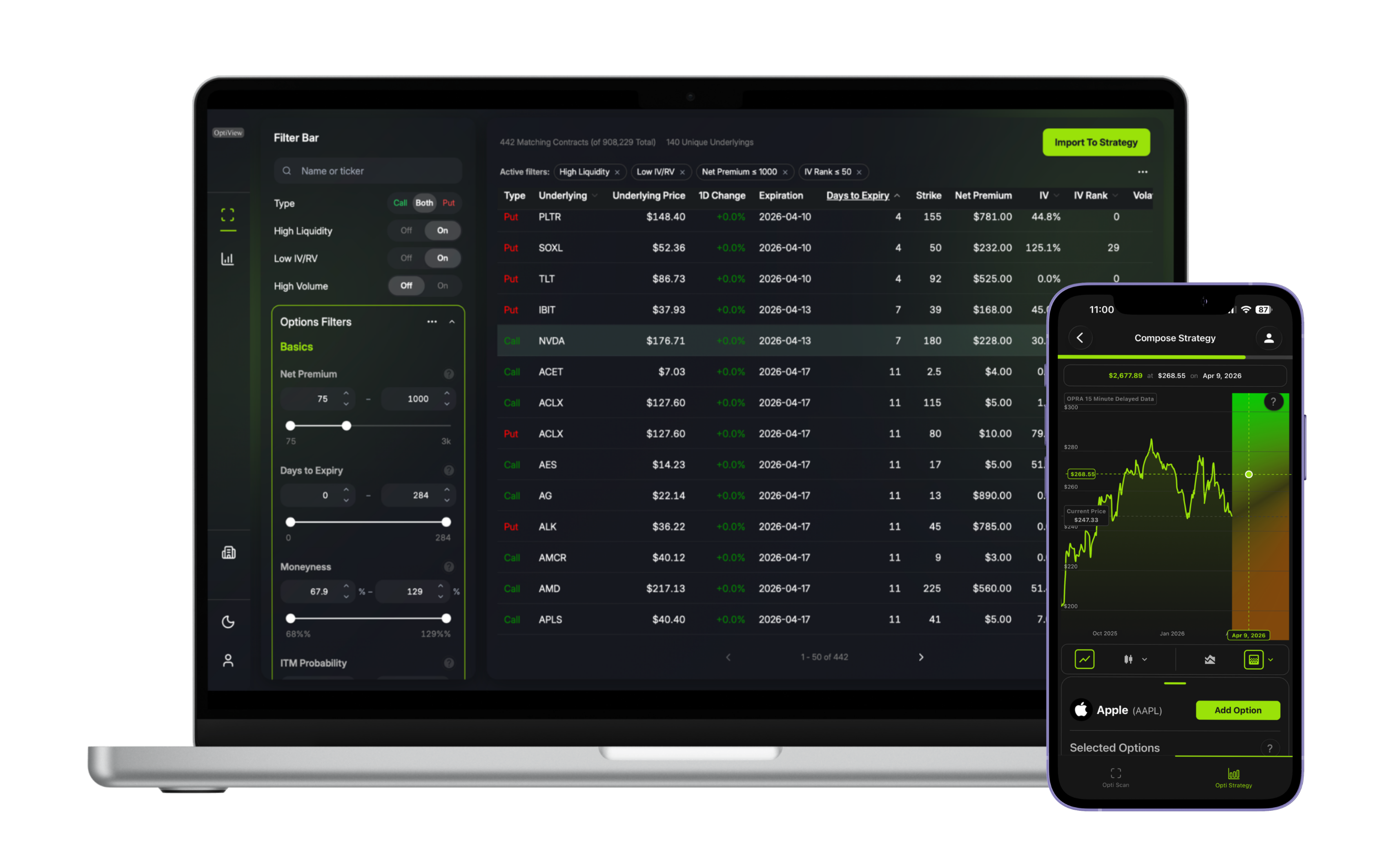
Options trading involves more than simply predicting whether a stock price will rise or fall. Successful traders also analyze factors that influence an option’s value, and one of the most important factors is implied volatility. Commonly known as options IV, implied volatility helps traders understand the market’s expectations about future price movements.
Unlike historical volatility, which looks at past price changes, options IV reflects the expected level of movement in a stock or asset based on current option prices. By understanding this concept, traders can better evaluate option premiums, identify opportunities, and manage risk more effectively.
For traders using advanced tools like those available through Opti-View, analyzing volatility data can provide valuable insights before entering an options trade.
What Is Options IV?
Options IV represents the market’s forecast of how much a stock’s price may fluctuate over a specific period. It is expressed as a percentage and directly impacts the price of an option contract.
When traders expect larger price movements, demand for options usually increases, causing implied volatility to rise. Higher volatility often leads to more expensive option premiums because there is a greater chance that the option could become profitable.
On the other hand, when markets are calm and fewer price changes are expected, implied volatility tends to decrease, reducing option prices.
In simple terms:
- Higher IV = Higher option premiums and greater expected price movement
- Lower IV = Lower premiums and smaller expected price movement
Understanding this relationship helps traders determine whether an option is relatively expensive or affordable.
How Does Options IV Affect Option Prices?
The price of an option is influenced by several factors, including the underlying asset price, strike price, expiration date, interest rates, and volatility. Among these, volatility plays a major role.
When options IV increases, both call and put option prices typically become more expensive. This happens because higher volatility creates a greater possibility of large price swings before expiration.
For example, before an important company earnings announcement, traders often expect significant movement in the stock price. As a result, implied volatility may increase, pushing option premiums higher.
After the announcement, uncertainty decreases, and IV may drop quickly. This decline is often called an “IV crush” and can impact traders who buy options based only on directional predictions.
Why Traders Analyze Implied Volatility
Understanding implied volatility can help traders make more informed decisions. Instead of focusing only on market direction, experienced traders consider whether an option’s price accurately reflects expected risk.
Benefits of Monitoring Options IV
Analyzing volatility levels can help traders:
- Identify overpriced or underpriced options
- Compare current volatility with historical levels
- Select suitable trading strategies
- Improve risk management
- Understand market sentiment
For example, traders may avoid buying options when volatility is unusually high because premiums could already include significant market expectations.
Similarly, lower volatility environments may create opportunities for strategies that benefit from future volatility expansion.
Options IV vs Historical Volatility: What Is the Difference?
Many traders confuse implied volatility with historical volatility, but they measure different things.
Historical volatility measures how much an asset actually moved in the past. It uses previous price data to calculate market fluctuations.
Options IV, however, looks forward. It represents what traders collectively expect about future movement based on current option prices.
The key difference:
- Historical volatility: Past market behavior
- Implied volatility: Future market expectations
Both measurements can be useful. Comparing them can help traders determine whether options are priced higher or lower than normal.
How to Use Options IV in Trading Strategies
Volatility analysis can support different options trading approaches depending on market conditions.
Buying Options in Low IV Conditions
When implied volatility is relatively low, option premiums may be cheaper. Traders expecting a strong price movement may consider buying calls or puts because they are paying less for potential upside.
Selling Options in High IV Conditions
When volatility rises, premiums become more expensive. Some traders use strategies like credit spreads, covered calls, or iron condors to benefit from higher option prices.
However, every strategy carries risk, and traders should always consider their risk tolerance and market outlook.
Using Technology to Analyze Market Volatility
Modern options traders rely on data-driven platforms to quickly evaluate volatility conditions. Tools that provide options scanners, volatility analysis, and market insights can help traders save time and identify potential opportunities.
Platforms like Opti-View help traders examine market data, analyze trading possibilities, and make decisions based on measurable information rather than emotions.
A structured approach to volatility analysis can improve consistency and help traders better understand changing market conditions.
Common Mistakes Traders Make With Implied Volatility
While volatility analysis is powerful, traders should avoid common mistakes, such as:
- Assuming high IV always means an option is a good opportunity
- Ignoring upcoming events like earnings reports
- Trading without considering time decay
- Focusing only on volatility without analyzing price trends
Successful options trading requires combining volatility analysis with proper strategy, risk management, and market research.
Conclusion: Make Better Decisions by Understanding Options IV
Understanding options IV is essential for anyone looking to improve their options trading knowledge. Implied volatility provides valuable information about market expectations, option pricing, and potential trading opportunities.
By learning how volatility affects premiums and using reliable analytical tools, traders can develop more informed strategies and manage risk more effectively. Whether you are a beginner or an experienced trader, monitoring volatility can help you make smarter decisions in today’s fast-moving markets.
Explore advanced options analysis tools at Opti-View and take a more data-driven approach to your trading strategy.

 Czech
Czech
 Arabic
 French
 Spanish
 Portuguese
 Deutsch
 Turkish
 Dutch
Dutch
 Italiano
 Russian
 Romaian
 Portuguese (Brazil)
 Greek
Greek