


 About SPORTIVO Network
Acute Musculoskeletal Pain: Causes, Symptoms, Treatment & Recovery
Acute musculoskeletal pain is a common health problem that can affect the muscles, bones, joints, ligaments, tendons, and other supporting tissues. It often develops suddenly after an injury, strenuous activity, poor posture, or repetitive movement. While some cases improve within a few days, more severe injuries may require medical assessment and structured treatment.
Understanding the causes, symptoms, and treatment options for acute musculoskeletal pain can help you manage discomfort and support a safer recovery.
What Is Acute Musculoskeletal Pain?
Acute musculoskeletal pain refers to pain that develops suddenly and usually lasts for a relatively short period. It can affect a specific area, such as the lower back, neck, shoulder, hip, or knee, or involve multiple parts of the body after an injury.
Unlike chronic pain, which persists for an extended period, acute pain is often linked to a recent event or temporary condition. Common triggers include muscle strains, sprains, falls, sports injuries, lifting heavy objects, and sudden movements.
Many musculoskeletal conditions are manageable with appropriate care. However, persistent or severe symptoms should not be ignored because they may indicate a more significant injury or underlying medical problem.
Common Causes of Acute Musculoskeletal Pain
There are several potential causes of acute musculoskeletal pain. Some of the most common include:
1. Muscle Strains
A muscle strain occurs when a muscle or tendon is overstretched or damaged. It may happen during exercise, lifting, or sudden physical activity. Strains commonly affect the back, neck, hamstrings, and shoulders.
2. Sprains
Sprains involve injury to ligaments, which connect bones at joints. An ankle sprain is a familiar example and can occur after twisting or landing awkwardly.
3. Overuse and Repetitive Movements
Repeating the same movement for long periods can place stress on muscles and tendons. This may occur in certain jobs, sports, or activities and can contribute to inflammation and pain.
4. Poor Posture
Sitting or standing with poor posture for prolonged periods can place unnecessary strain on the neck, shoulders, and back. Over time, this may contribute to muscle tightness and discomfort.
5. Sports and Exercise Injuries
Sudden increases in physical activity, inadequate warm-ups, or improper techniques can increase the risk of muscle and joint injuries.
6. Falls and Accidents
A fall, collision, or other accident may cause bruising, sprains, strains, or more serious injuries involving bones and joints.
Symptoms of Acute Musculoskeletal Pain
Symptoms vary depending on the affected body part and the underlying cause. Common symptoms include:
· Localised pain or tenderness
· Muscle stiffness or tightness
· Swelling around an injured area
· Bruising
· Reduced range of motion
· Muscle spasms or cramping
· Weakness in the affected area
· Pain that worsens with movement
· Difficulty performing normal daily activities
Some people may experience mild discomfort, while others may have significant pain that interferes with walking, working, sleeping, or exercising.
If pain is severe, rapidly worsening, or associated with significant swelling, deformity, numbness, weakness, or loss of function, seek medical attention promptly.
How Is Acute Musculoskeletal Pain Diagnosed?
Healthcare professionals usually begin by asking about your symptoms, recent activities, injuries, and medical history. A physical examination can help identify tenderness, swelling, reduced movement, or muscle weakness.
In many straightforward cases, imaging may not be necessary. However, an X-ray, ultrasound, MRI, or other investigation may be recommended when a fracture, significant tissue injury, or another condition is suspected.
The correct diagnosis is important because treatment depends on the cause and severity of the problem.
Treatment Options for Acute Musculoskeletal Pain
Treatment varies according to the injury and individual circumstances. Common approaches may include:
Rest and Activity Modification
Avoiding activities that aggravate the injury can give damaged tissues time to recover. However, prolonged complete inactivity is not always beneficial. Your healthcare professional may recommend gentle movement as your symptoms improve.
Ice and Heat
Cold therapy may help reduce swelling after certain acute injuries, particularly during the early stages. Heat can sometimes help relieve muscle stiffness and promote relaxation. Follow professional advice about which approach is appropriate for your condition.
Physical Therapy
Physiotherapy can help restore movement, flexibility, strength, and function. A therapist may recommend stretching, strengthening exercises, posture correction, and gradual return-to-activity strategies.
Pain Relief Medicines
Depending on the cause and severity of pain, healthcare professionals may recommend suitable pain-relieving medicines. Some people with painful muscle spasms may also be prescribed a muscle relaxant.
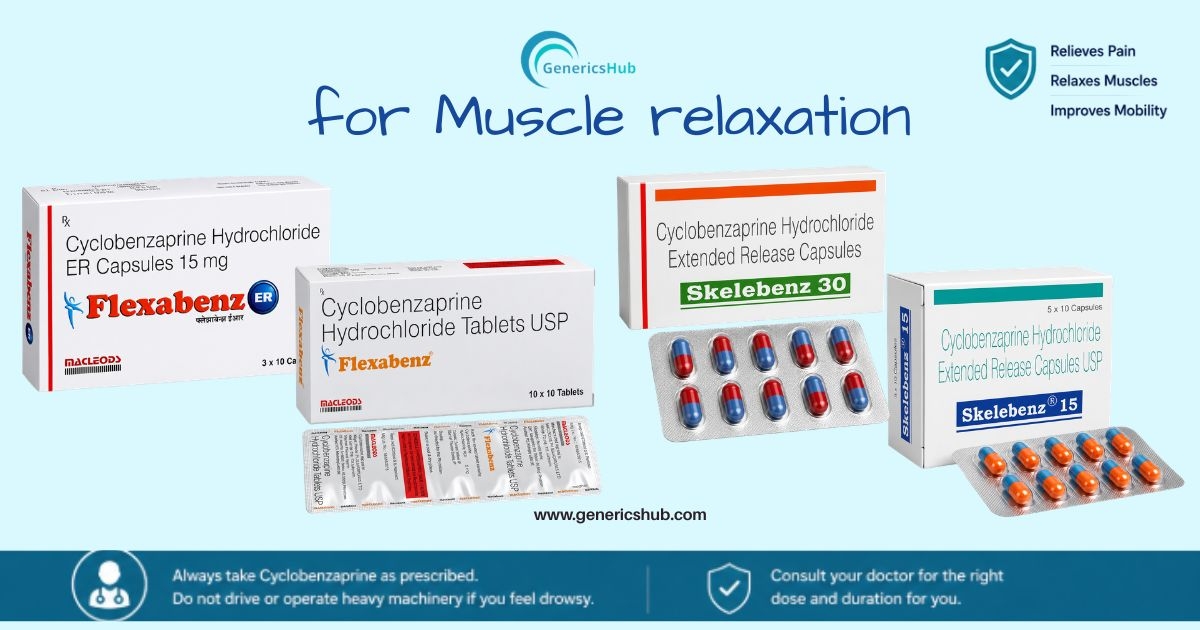
For example, Flexabenz tablet may be prescribed in some situations to help manage painful muscle spasms associated with acute musculoskeletal problems. Flexabenz 5mg tablet contains cyclobenzaprine, a prescription muscle relaxant used alongside rest and physical therapy for certain acute, painful musculoskeletal conditions.
Cyclobenzaprine should only be used according to a healthcare professional's instructions. It may cause drowsiness or dizziness and can interact with other medicines, including certain medications that affect the central nervous system.
How Long Does Cyclobenzaprine Last?
One common question among people prescribed cyclobenzaprine is how long does cyclobenzaprine last? The answer depends on the formulation, dosage, individual metabolism, and other factors.
Immediate-release cyclobenzaprine is generally used several times a day as prescribed, while extended-release formulations are designed for once-daily use. Although the medicine may help relieve muscle spasm-related symptoms, its effects can vary between individuals.
Cyclobenzaprine can cause drowsiness, so patients should be cautious when driving or operating machinery until they understand how the medicine affects them. Alcohol and other sedating medicines may increase these effects.
Always follow the prescribed dose and duration. Do not increase the dose or continue treatment longer than recommended without speaking with your healthcare provider.
Recovery From Acute Musculoskeletal Pain
Recovery time depends on the type and severity of the injury. A mild muscle strain may improve within days, while more significant injuries can take several weeks or longer.
A gradual return to normal activity is often preferable to doing too much too quickly. Once pain and movement improve, strengthening exercises can help restore function and reduce the risk of future injuries.
Good recovery habits may include:
· Following your healthcare professional's treatment plan
· Returning to exercise gradually
· Maintaining good posture
· Using proper lifting techniques
· Warming up before physical activity
· Staying active within comfortable limits
· Getting adequate sleep and recovery time
When Should You See a Doctor?
Not every episode of acute musculoskeletal pain requires urgent medical care. However, professional evaluation is recommended if pain is severe, does not improve, or repeatedly returns.
Seek prompt medical attention if you experience pain following a serious accident, visible deformity, significant swelling, inability to move a limb, severe weakness, numbness, or other concerning symptoms.
Back or neck pain accompanied by loss of bladder or bowel control, significant weakness, or numbness in specific areas requires urgent medical assessment.
Final Thoughts
Acute musculoskeletal pain is often temporary and may improve with appropriate rest, activity modification, physical therapy, and suitable treatment. Understanding the cause of your pain is the first step toward effective recovery.
Medicines such as cyclobenzaprine may be prescribed for certain cases involving painful muscle spasms, but they are not appropriate for everyone and should be used under professional guidance. If you are considering a Flexabenz tablet or Flexabenz 5mg tablet, speak with a qualified healthcare professional to determine whether it is suitable for your symptoms.
By recognising symptoms early, following an appropriate treatment plan, and gradually returning to normal activity, many people can recover from acute musculoskeletal injuries and get back to their usual routines.

 Czech
Czech
 Arabic
 French
 Spanish
 Portuguese
 Deutsch
 Turkish
 Dutch
Dutch
 Italiano
 Russian
 Romaian
 Portuguese (Brazil)
 Greek
Greek