


 About SPORTIVO Network
What Defines Advanced Wound Care in Genesee County? Exploring Biologics, Negative Pressure, and More
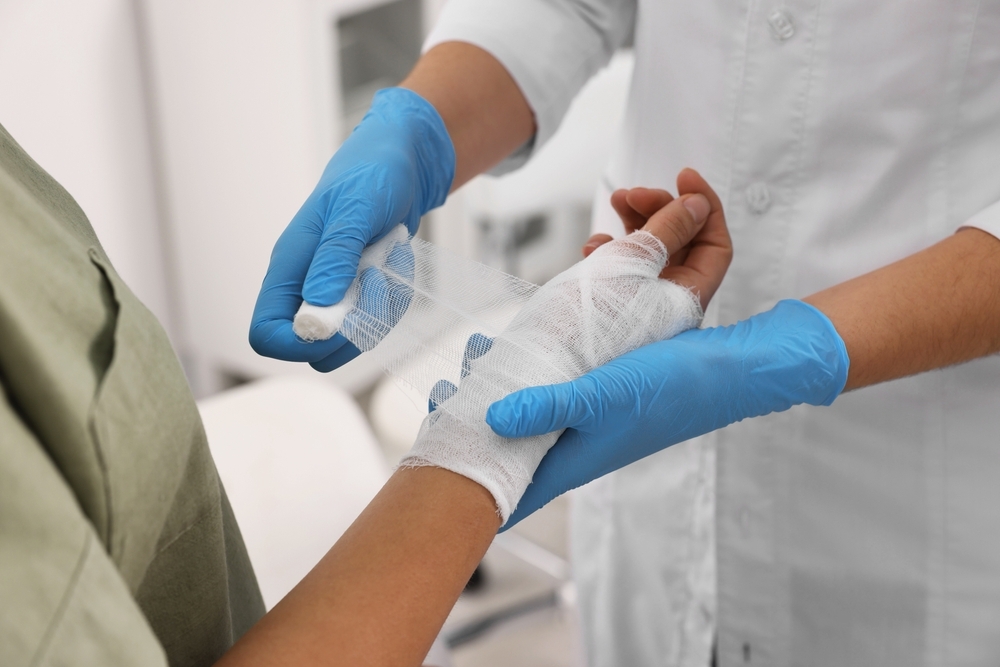
Chronic and complex wounds can be difficult to manage with routine dressing changes alone, especially when healing is delayed by diabetes, poor circulation, pressure, infection, or other medical conditions. Advanced wound care focuses on identifying the factors preventing healing and selecting treatments that address the wound as well as the patient's overall health. For patients seeking advanced wound care in Genesee County treatment may involve specialized dressings, biologic products, negative pressure wound therapy, debridement, or coordinated medical care. The appropriate approach depends on the wound's characteristics and the patient's individual circumstances. Professional assessment is essential because no single advanced treatment is appropriate for every wound.
What Makes Wound Care “Advanced”?
Advanced wound care generally refers to specialized assessment and treatment used when a wound is chronic, complicated, slow to heal, or not responding adequately to standard care. Rather than focusing only on covering the wound, clinicians evaluate underlying factors that may be preventing normal healing. These can include infection, pressure, impaired circulation, diabetes, nutritional concerns, limited mobility, or repeated trauma to the affected area. The treatment plan may therefore involve several complementary approaches instead of one dressing or procedure. Care is typically adjusted as the wound changes and progresses through different stages of healing.
Examples of wounds that may require advanced management include diabetic foot ulcers, pressure injuries, venous leg ulcers, arterial wounds, complex surgical wounds, and wounds that remain open for an extended period. Some patients may also require specialized treatment after an injury or procedure when normal healing does not occur as expected. A comprehensive evaluation helps determine the severity and characteristics of the wound before advanced interventions are considered. Clinicians may also review medications, medical history, circulation, nutrition, mobility, and other factors. This broader assessment helps ensure that treatment addresses the patient's needs rather than simply the visible wound.
Biologics and Advanced Skin-Substitute Treatments
Biologic wound products and skin substitutes are among the therapies that may be considered for selected wounds. These products can be designed to provide a supportive environment for tissue repair and may contain materials derived from human, animal, or synthetic sources depending on the specific product. They are not appropriate for every wound, and their use depends on clinical assessment, wound characteristics, treatment history, and applicable medical criteria. A qualified clinician should determine whether a particular product is suitable. Patients should ask what the proposed treatment is intended to accomplish and how its progress will be evaluated.
Before using a biologic or skin-substitute product, healthcare professionals may need to address factors that could interfere with healing. Infection, excessive pressure, inadequate blood supply, uncontrolled underlying conditions, or poor wound management may need attention first or alongside the advanced treatment. The clinician may also consider whether the wound has received appropriate conventional care and whether the patient can follow the required aftercare plan. Treatment decisions should be based on the patient's individual clinical situation rather than marketing claims. Regular follow-up is important to determine whether the wound is responding appropriately.
Negative Pressure Wound Therapy Explained
Negative pressure wound therapy, often referred to as NPWT, is another advanced technique used for selected wounds. It involves applying controlled negative pressure to a wound through a specialized dressing and connected device. Depending on the wound and treatment plan, this approach may help manage wound fluid and support the wound environment during healing. It is generally used under professional supervision because the equipment, dressing system, pressure settings, and monitoring requirements must be appropriate for the individual patient. Not every wound is suitable for negative pressure therapy.
A healthcare professional evaluates the wound and the patient's medical circumstances before recommending NPWT. The clinician may consider wound depth, tissue condition, drainage, infection concerns, circulation, and other relevant factors. The dressing and device usually require regular management according to the prescribed treatment schedule. Patients should not modify pressure settings, disconnect equipment unnecessarily, or change the treatment system without professional instructions. Any device problem, unexpected bleeding, significant pain, worsening wound appearance, or other concerning change should be reported promptly to the treating healthcare team.
The Importance of Debridement in Complex Wounds
Debridement is another important component of advanced wound management when nonviable or unwanted tissue interferes with healing. Depending on the wound, debridement may be performed using different techniques selected by an appropriately qualified healthcare professional. The purpose is to help create a healthier wound bed when clinically appropriate, while also allowing the clinician to assess the wound more effectively. The specific method depends on factors such as wound depth, tissue type, patient health, pain considerations, and the overall treatment plan. Debridement should never be attempted independently by patients or caregivers.
Not every wound requires debridement, and the procedure is not automatically appropriate simply because a wound is chronic. The clinician must determine whether the potential benefits outweigh the risks for that particular patient. People with circulation problems, bleeding risks, or other medical conditions may require additional evaluation before certain procedures are considered. After debridement, the wound may require a specific dressing or additional treatment to support healing. Follow-up allows the healthcare team to monitor how the wound responds and determine whether further intervention is needed.
Managing Infection and the Wound Environment
Infection control is a critical part of advanced wound care because infection can interfere with healing and potentially lead to serious complications. Healthcare professionals evaluate symptoms and clinical findings rather than assuming that every wound with bacteria is infected. Increasing redness, warmth, swelling, unusual drainage, worsening pain, odor, fever, or other systemic symptoms may require further assessment. Treatment decisions should be based on professional evaluation and the patient's complete clinical picture. Patients should avoid using unapproved antimicrobial products or home remedies without discussing them with their healthcare provider.
The overall wound environment also matters. Excessive moisture can damage surrounding skin, while a wound that becomes too dry may not have the conditions intended by a particular treatment plan. Modern dressings can be selected to manage drainage, protect tissue, maintain an appropriate moisture balance, or provide other functions. The ideal dressing may change as the wound progresses. Regular reassessment helps clinicians determine whether the current product remains suitable or whether another approach is needed.
Addressing Underlying Conditions That Delay Healing
Advanced wound treatment cannot be separated from the patient's general health. Diabetes, vascular disease, reduced mobility, pressure, nutritional deficiencies, smoking, and certain medications or medical conditions can influence wound healing. If these factors are not addressed, even sophisticated wound products may have limited effectiveness. A comprehensive wound-care plan therefore considers both local wound treatment and the underlying factors contributing to delayed healing. Patients should provide accurate information about their medical history and current treatment so clinicians can make informed decisions.
For people with diabetes, blood glucose management can be an important part of the broader treatment strategy. Patients with suspected circulation problems may need appropriate vascular assessment, while individuals with pressure-related wounds may require repositioning strategies or pressure-relieving equipment. Nutritional concerns may also need attention when a patient has difficulty maintaining adequate intake. These interventions should be guided by qualified healthcare professionals. Treating the underlying contributors can be just as important as selecting an advanced wound product.
Personalized and Coordinated Wound Care
Complex wounds often require more than one healthcare professional. Depending on the patient's needs, care may involve a physician, wound-care nurse, podiatrist, vascular specialist, surgeon, diabetes specialist, nutrition professional, or another qualified provider. Coordinated communication helps ensure that changes in the wound and the patient's general health are considered together. This can be especially important when a patient has multiple medical conditions or has already undergone several treatments. The goal is to create a consistent care strategy rather than having each provider work independently.
Patients and caregivers can support coordination by keeping an updated list of medications, medical conditions, allergies, previous procedures, and wound treatments. They should also report changes promptly and follow instructions provided by their healthcare team. If a wound is not improving, the patient should not simply continue the same treatment indefinitely without reassessment. A clinician may determine that the wound requires a different approach or referral to another specialist. Regular communication can help the treatment plan evolve according to the wound's response.
Advanced Wound Care in Genesee County
Patients searching for advanced wound care in Genesee County should consider providers based on professional qualifications, experience, available treatments, and their ability to coordinate care. It is appropriate to ask whether the provider treats the patient's particular type of wound and whether advanced therapies such as negative pressure wound therapy or biologic products are available when clinically indicated. Patients should also ask how wounds are monitored and what happens if a condition becomes more complex. Insurance coverage and potential treatment costs should be discussed before beginning care whenever possible. A qualified provider should explain both the potential benefits and limitations of recommended treatments.
Patients looking for advanced wound care in near Oakland should apply the same standards when comparing available services. Families can ask about wound-care credentials, physician involvement, specialized treatments, follow-up procedures, and referral pathways. Geographic convenience can be helpful, but clinical expertise and appropriate treatment capabilities should remain priorities. Patients should be cautious of providers that promise guaranteed healing or suggest that one advanced treatment works for every wound. Evidence-informed care requires individualized assessment and realistic expectations.
When Advanced Wound Care Requires Hospital or Specialist Evaluation
Although many complex wounds can be managed through specialized outpatient or home-based services, some situations require a higher level of care. Rapidly spreading redness, severe swelling, significant bleeding, systemic symptoms, severe pain, sudden changes in mental status, or other concerning developments may require urgent evaluation. A wound may also require hospital-based treatment if it involves extensive infection, serious tissue damage, or another complication beyond the capabilities of outpatient care. Patients should follow the emergency and escalation instructions provided by their healthcare team. Routine wound appointments should never delay emergency treatment.
Specialist referral may also be appropriate when a wound repeatedly fails to improve despite an appropriate treatment plan. Further evaluation may identify circulation problems, pressure-related causes, infection, underlying disease, or another factor that has not yet been adequately addressed. The treating clinician can determine whether additional diagnostic testing or specialist involvement is necessary. Advanced wound care is not simply about using more sophisticated products. It is about recognizing when standard approaches are insufficient and selecting an appropriate next step based on clinical evidence and patient needs.
Choosing a Comprehensive Wound-Care Approach
Advanced wound care in Genesee County can provide important options for patients whose wounds require more specialized attention than routine dressing management. Biologics, skin substitutes, negative pressure wound therapy, debridement, advanced dressings, infection management, and coordinated medical care may all have roles in selected situations. However, these treatments should be used only when they are appropriate for the individual wound and patient. A thorough assessment should guide treatment selection rather than choosing a therapy simply because it is considered “advanced.” Ongoing monitoring is essential because wound conditions can change over time.
For patients considering advanced wound care in near Oakland, the most important step is to seek an evaluation from a qualified healthcare professional who can assess the wound comprehensively. Effective treatment combines appropriate local wound management with attention to circulation, infection, pressure, nutrition, diabetes, mobility, and other relevant factors. Patients should follow their individualized care instructions and report meaningful changes promptly. No treatment can guarantee a particular healing outcome, but evidence-informed and coordinated care can provide a stronger foundation for recovery. With appropriate professional oversight, advanced wound management can help address complex wounds while keeping patient safety and individualized care at the center of treatment.

 Czech
Czech
 English
 Arabic
 French
 Spanish
 Portuguese
 Deutsch
 Turkish
 Dutch
Dutch
 Italiano
 Russian
 Romaian
 Greek
Greek