


 About SPORTIVO Network
Choosing the Right PVC Conduit Pipe for Safe Electrical Wiring
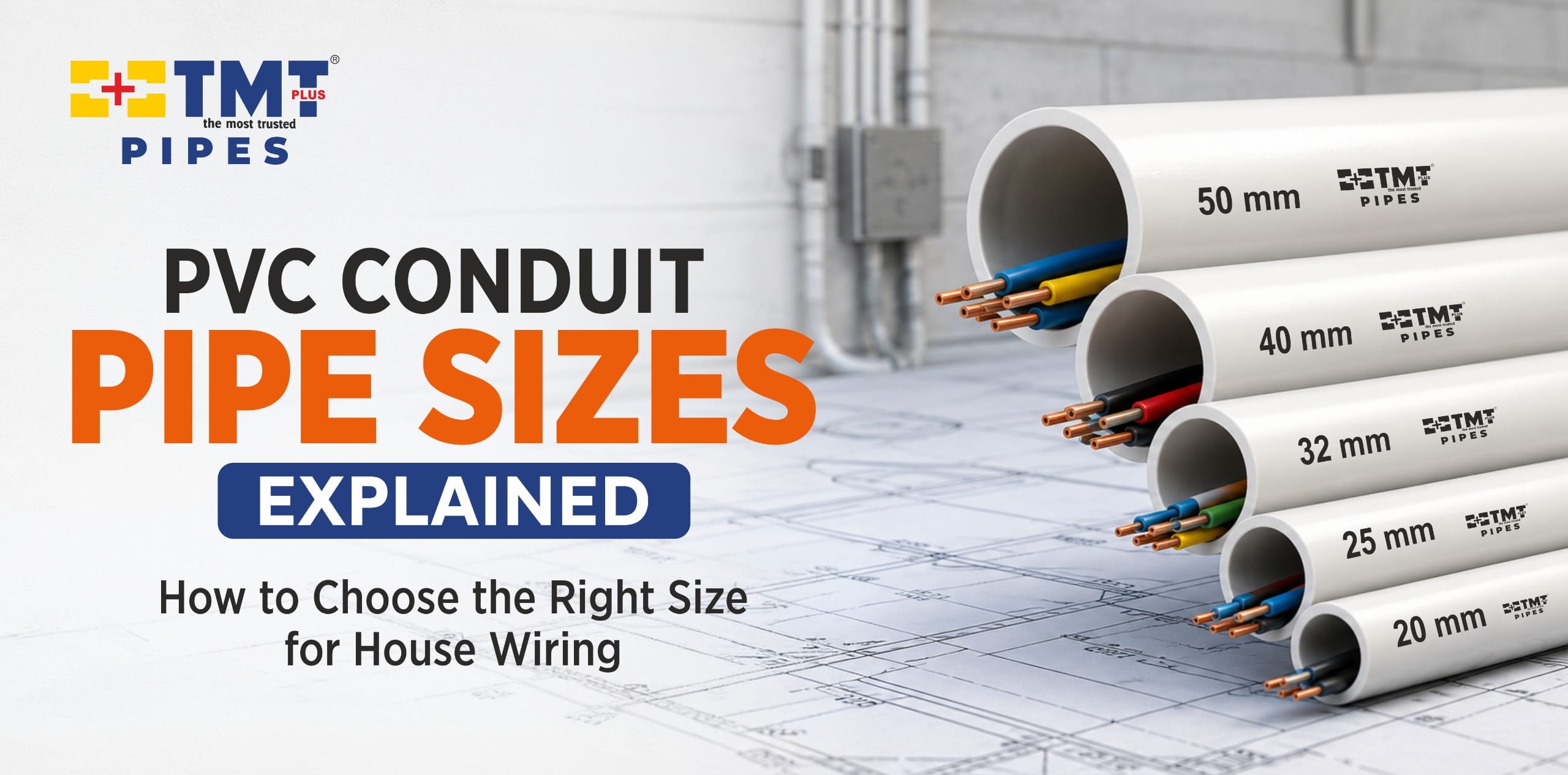
Choosing the right PVC conduit pipe is an important part of creating a safe, organised, and long-lasting electrical wiring system. Conduit pipes provide a protected pathway for electrical cables running through walls, ceilings, and floors, helping shield wiring from moisture, heat, physical impact, and accidental damage. The correct size also makes cable installation and future maintenance much easier. Common conduit sizes used in residential applications include 20 mm for lighting and switchboard wiring, 25 mm for general room wiring, 32 mm for heavier circuits such as kitchens and air conditioners, and 40 mm or 50 mm for larger distribution runs. However, conduit selection should always consider cable quantity, wire gauge, electrical load, run length, bends, and future expansion rather than relying only on the room type. Medium-duty conduit is generally suitable for concealed residential wiring, while heavy-duty options are more appropriate for concrete casting, underground burial, and areas exposed to mechanical stress. Quality is equally important, so buyers should check factors such as ISI certification, consistent wall thickness, compression strength, smooth surface finish, and clear manufacturer markings. Planning conduit routes before plastering and keeping unnecessary bends to a minimum can further simplify installation and maintenance. By selecting the right diameter, duty grade, and quality standard, a PVC conduit pipe can support better cable protection, easier wiring work, improved safety, and greater flexibility for future electrical requirements.

 English
 Arabic
 French
 Spanish
 Portuguese
 Deutsch
 Turkish
 Dutch
Dutch
 Italiano
 Russian
 Romaian
 Portuguese (Brazil)
 Greek
Greek