


 About SPORTIVO Network
When Is the Optimal Time to Hydroseed in North Texas? (Seasonal Timing Guide)
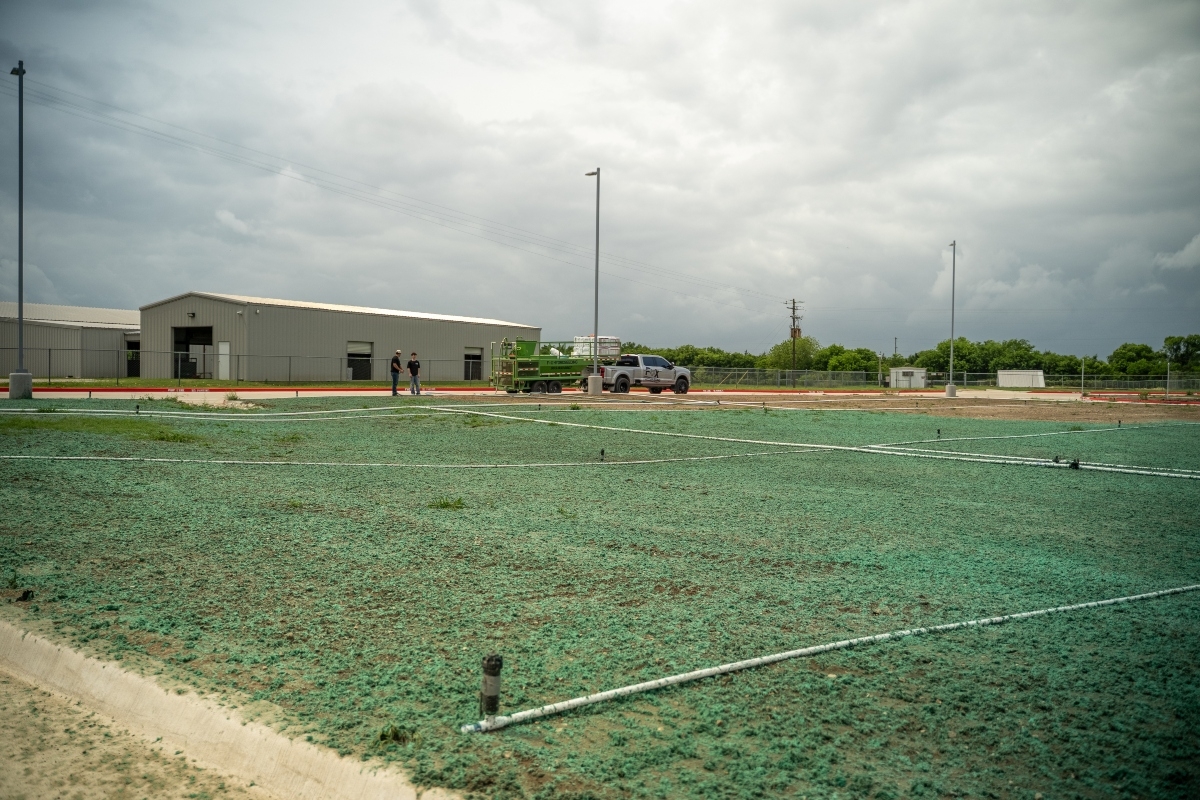
Timing can make a significant difference when establishing grass through hydroseeding, particularly in a climate as demanding as North Texas. Hot summers, unpredictable rainfall, occasional drought, and changing temperatures can all influence how quickly seed germinates and develops roots. Applying seed during a favorable growing period gives young grass a better opportunity to establish before facing environmental stress. Choosing the right season can also reduce irrigation demands and improve the overall consistency of the finished lawn. For homeowners, developers, and property managers, seasonal planning should be considered before scheduling any hydroseeding project.
The exact timing depends on the grass variety, soil temperature, weather forecast, irrigation availability, and specific property conditions. Hydroseeding North Texas projects generally perform best when warm-season grasses are entering or actively experiencing their natural growth period. A professional contractor can evaluate these factors and recommend an appropriate application window. While spring and early summer can often provide favorable conditions, the ideal date is not identical for every property. Understanding how each season affects germination helps property owners make a more informed decision.
Why Seasonal Timing Matters for Hydroseeding
Grass seed needs suitable moisture, temperature, and growing conditions to germinate and develop successfully. If hydroseeding takes place during a period of extreme heat or inconsistent moisture, young seedlings can struggle before their root systems become established. Heavy rainfall immediately after application can also cause runoff and move seed or mulch away from the intended area. Proper timing reduces these risks by placing the seed in an environment where natural growth conditions are more supportive. The objective is to give the grass enough time to establish before encountering major seasonal stress.
North Texas is particularly challenging because weather patterns can shift quickly. A warm spring day can be followed by a cold front, while summer temperatures can rise rapidly and increase evaporation from the soil. Contractors must therefore consider short-term forecasts as well as broader seasonal trends. Irrigation can help manage moisture, but it cannot completely compensate for poor timing or unsuitable weather. Choosing a reasonable application window and monitoring conditions afterward can significantly improve the chances of successful establishment.
Spring: A Popular Window for Hydroseeding
Spring is often an attractive season for hydroseeding because temperatures begin rising and warm-season grasses move toward active growth. Soil conditions become increasingly favorable as winter ends, while natural rainfall may provide useful moisture during portions of the season. However, early spring can still bring temperature fluctuations that slow germination. Waiting until conditions are consistently suitable for the selected grass can be more effective than applying seed simply because the calendar says spring has arrived. A contractor should evaluate actual soil and weather conditions before scheduling work.
Late spring can offer particularly favorable conditions for many warm-season grasses when temperatures are consistently warm. At this point, grass can begin developing rapidly if adequate moisture and sunlight are available. The challenge is that North Texas weather can transition toward summer heat quickly, increasing irrigation needs. Property owners should have their irrigation plan ready before hydroseeding rather than waiting until seedlings begin showing signs of stress. Consistent early care can help turn a favorable spring application into healthy summer turf.
Early Summer: Good Conditions With More Irrigation
Early summer can still be a suitable time for hydroseeding in North Texas, especially when warm-season grass is actively growing. Soil temperatures are generally favorable for germination, and established seedlings can develop quickly when moisture is properly managed. However, increasing heat means the seedbed can dry faster than it does during spring. This makes irrigation consistency especially important during the first stages after application. Scheduling work during a period with manageable temperatures and avoiding extreme heat can improve establishment conditions.
Commercial properties may benefit from early-summer hydroseeding when construction schedules make spring installation impractical. Developers can coordinate site preparation, grading, irrigation, and vegetation establishment within the project's broader construction timeline. Commercial hydroseeding services can be particularly useful for covering large areas efficiently before the hottest part of summer arrives. Contractors should still monitor weather forecasts and avoid applying seed when severe heat or major storms are expected. Good scheduling can reduce the risk of wasted seed and additional corrective work.
Mid to Late Summer: A More Challenging Period
The hottest part of a North Texas summer can create difficult conditions for newly hydroseeded areas. High temperatures increase evaporation, meaning the surface may dry quickly and require careful irrigation. Young seedlings have shallow roots and are therefore more vulnerable to moisture stress than established turf. Extreme heat can slow or damage emerging grass if adequate moisture is not maintained. For this reason, mid-summer applications often require more careful planning than spring or early-summer installations.
That does not necessarily mean summer hydroseeding is impossible. Projects may still need vegetation during this period because of construction schedules, erosion concerns, or property requirements. In such cases, contractors can evaluate whether the selected grass, irrigation system, soil conditions, and short-term forecast provide a reasonable opportunity for establishment. Additional surface protection and careful watering may be necessary depending on the site. When conditions become exceptionally hot or dry, postponing the application may sometimes be the more practical choice.
Fall: Understanding the Seasonal Transition
Fall can be useful for certain landscaping projects, but timing becomes increasingly important as warm-season grasses begin slowing their growth. Early fall may provide acceptable conditions while soil remains warm and daytime temperatures are moderate. However, as temperatures decline, germination and establishment can become slower. Young turf may have less time to develop before entering winter dormancy. Property owners should therefore consider the specific grass variety and the amount of establishment time remaining in the growing season.
Late fall is generally less attractive for establishing many warm-season grasses through seed because growth naturally declines as temperatures fall. Applying seed too late may result in delayed germination or weak establishment before winter. In some situations, however, the timing may be dictated by construction or erosion-control requirements rather than ideal lawn establishment. Contractors can recommend temporary stabilization measures when permanent vegetation cannot establish quickly enough. A site-specific strategy is especially important when exposed soil presents an erosion risk.
Winter: Usually Not the First Choice
Winter is generally not the preferred season for establishing warm-season turf through hydroseeding in North Texas. Lower temperatures can slow or prevent germination, while dormant grass does not actively develop the root system needed for strong establishment. Seed applied during unfavorable conditions may remain inactive until temperatures become suitable. This can leave the site dependent on other erosion-control or soil-protection measures during the colder months. Property owners should understand the difference between applying seed for immediate turf establishment and applying it as part of a longer seasonal strategy.
Construction projects sometimes cannot wait for the ideal season, particularly when exposed soil must be stabilized. In these situations, a professional contractor can evaluate temporary and permanent options based on project requirements. The decision may involve erosion-control blankets, mulch, drainage improvements, or other measures until vegetation can establish. Once favorable growing conditions return, hydroseeding can be scheduled according to the selected grass variety. Planning ahead can help prevent rushed decisions when winter arrives.
The Best Time Depends on Grass Variety
Seasonal timing cannot be separated from seed selection. Warm-season grasses such as Bermuda and certain zoysia varieties generally perform best when soil and air temperatures support active growth. Other grasses have different germination and establishment requirements, meaning the same application date may not work equally well for every seed mixture. A professional contractor should identify the selected species before recommending a schedule. This approach provides a more accurate timeline than relying on a generic statement such as “spring is best.”
The intended use of the property also influences timing decisions. A commercial development may prioritize rapid coverage before tenants or customers arrive, while a residential property owner may have greater flexibility. A construction site with erosion concerns may need stabilization sooner even if the conditions are not ideal for permanent turf. Contractors should balance these priorities with realistic expectations about germination and establishment. Good planning considers both the biological needs of the grass and the practical requirements of the project.
Weather, Irrigation, and Soil Preparation
Even the best seasonal window cannot overcome severely unsuitable soil conditions. Before hydroseeding, the ground should generally be graded appropriately and prepared to provide adequate seed-to-soil contact. Compaction, poor drainage, debris, and nutrient deficiencies can interfere with germination and root development. Addressing these issues before application can improve the effectiveness of the entire project. Soil preparation is particularly important on newly developed commercial sites where heavy equipment may have disturbed the natural soil structure.
Irrigation is equally important during the early establishment period. Newly hydroseeded areas generally need consistent moisture, although the precise watering schedule depends on weather, soil, grass variety, and site conditions. Too little water can dry out emerging seedlings, while excessive irrigation can create runoff and move soil or mulch. A properly designed irrigation system can make seasonal timing more flexible because it provides greater control over moisture. Property owners should discuss watering requirements with the contractor before installation begins.
When to Schedule Commercial Hydroseeding Services
For large developments, scheduling should begin well before the desired application date. Site preparation, grading, drainage, irrigation, construction traffic, weather, and project deadlines all need to be coordinated. Commercial hydroseeding services can cover extensive areas efficiently, but contractors still need sufficient time to inspect the site and prepare the appropriate slurry. Waiting until the last minute may result in an application being scheduled during an unfavorable weather window. Early planning provides more opportunities to select a suitable date.
Developers should also consider what will happen after the application. Newly seeded areas may need protection from vehicles, foot traffic, construction equipment, and other disturbances. Maintenance responsibilities should be clearly assigned so that irrigation and monitoring do not get overlooked. If a commercial project has a fixed opening or inspection date, the expected establishment period should be built into the overall schedule. Realistic planning is better than assuming that hydroseeding will produce a finished lawn immediately.
Final Seasonal Timing Guide
For many North Texas warm-season turf projects, late spring through early summer can provide a favorable balance between soil warmth and active grass growth. Early fall may also work for certain projects if enough growing time remains and conditions are suitable. The hottest portion of summer generally requires more careful irrigation and weather monitoring, while winter is typically less favorable for immediate establishment. These are general guidelines rather than guarantees because individual properties can differ significantly. A professional site assessment remains the best way to determine the appropriate timing.
Successful Hydroseeding North Texas projects depend on more than selecting a date on the calendar. Grass variety, soil preparation, moisture, weather, irrigation, application quality, and post-installation care all contribute to the final result. Commercial hydroseeding services can help developers and property owners coordinate these factors, particularly when large areas must be established within a specific project schedule. By planning around the natural growth cycle of the selected grass and preparing the site properly, property owners can improve the likelihood of strong establishment. The right timing ultimately saves resources, reduces avoidable setbacks, and provides a stronger foundation for healthy long-term turf.

 Czech
Czech
 English
 Arabic
 French
 Spanish
 Portuguese
 Turkish
 Dutch
Dutch
 Italiano
 Russian
 Romaian
 Portuguese (Brazil)
 Greek
Greek