


 About SPORTIVO Network
Tire Alignment: What Small Driving Changes Could Mean
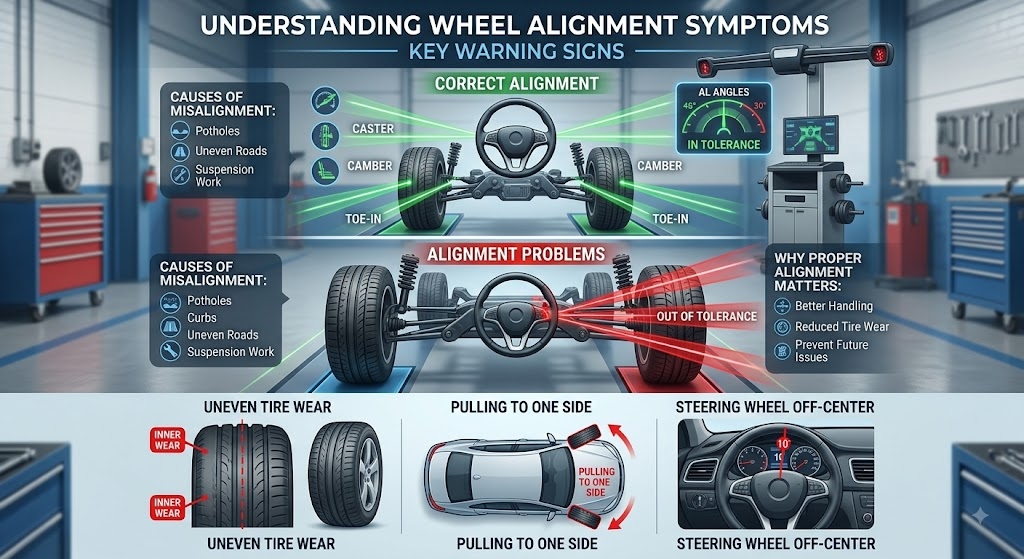
Many drivers only think about wheel alignment when a vehicle develops a serious steering problem. However, alignment changes can sometimes begin with subtle signs that are easy to overlook. A steering wheel that feels slightly off-center, uneven tire wear, or a vehicle that gradually moves toward one side can all be reasons to have the wheels inspected.
Road conditions can contribute to alignment changes over time. Potholes, curbs, speed bumps, and uneven surfaces can place stress on the steering and suspension system. Certain repairs involving steering or suspension components can also make an alignment check appropriate. Because these changes may develop gradually, your vehicle can sometimes continue to feel normal even when the wheel angles are no longer ideal.
What Are the Signs of Poor Alignment?
Uneven tire wear is one of the most useful clues. Instead of wearing consistently across the tread, a tire may show noticeably greater wear along one edge. If this pattern is ignored, the tire may lose useful tread sooner than expected.
Another sign is a steering wheel that does not sit straight while the vehicle is traveling on a straight road. You may also notice that the vehicle requires more steering correction than usual or tends to drift toward one side.
These symptoms do not automatically confirm an alignment problem. Tire pressure, road slope, steering components, and suspension issues can also affect how a vehicle behaves.
Why Is Tire Alignment Important?
Correct wheel positioning helps the tires maintain consistent contact with the road and supports predictable steering response. It can also help reduce unnecessary uneven tread wear.
If alignment is ignored when a problem is present, replacing worn tires alone may not address the underlying cause. The same unusual wear pattern could return on the replacement tires.
When Should You Check Your Alignment?
A check can be worthwhile after hitting a significant pothole or curb, particularly if the vehicle's handling changes afterward. It may also be useful after certain steering or suspension repairs.
If you notice unusual tire wear or changes in steering behavior, professional tire alignment service can help determine whether incorrect wheel angles are contributing to the problem.
Frequently Asked Questions
Does poor alignment affect tire wear?
Yes. Incorrect wheel angles can contribute to uneven tread wear and may reduce the useful life of a tire.
Can a pothole affect alignment?
A significant pothole impact can affect wheel positioning or related steering and suspension components, making an inspection worthwhile if handling changes afterward.
Does an off-center steering wheel always mean alignment is needed?
Not necessarily. It can be an alignment symptom, but other steering, suspension, tire, or road-related factors may also be involved.
Conclusion
Alignment is easy to overlook until changes in steering or tire wear become noticeable. Paying attention to these early signs and arranging an inspection when necessary can help support predictable handling, protect your tires, and maintain a smoother driving experience.

 Czech
Czech
 English
 Arabic
 Spanish
 Portuguese
 Deutsch
 Turkish
 Dutch
Dutch
 Italiano
 Russian
 Romaian
 Portuguese (Brazil)
 Greek
Greek