


 About SPORTIVO Network
R-454B Charging Below 55°F: Understanding Subcooling Limitations
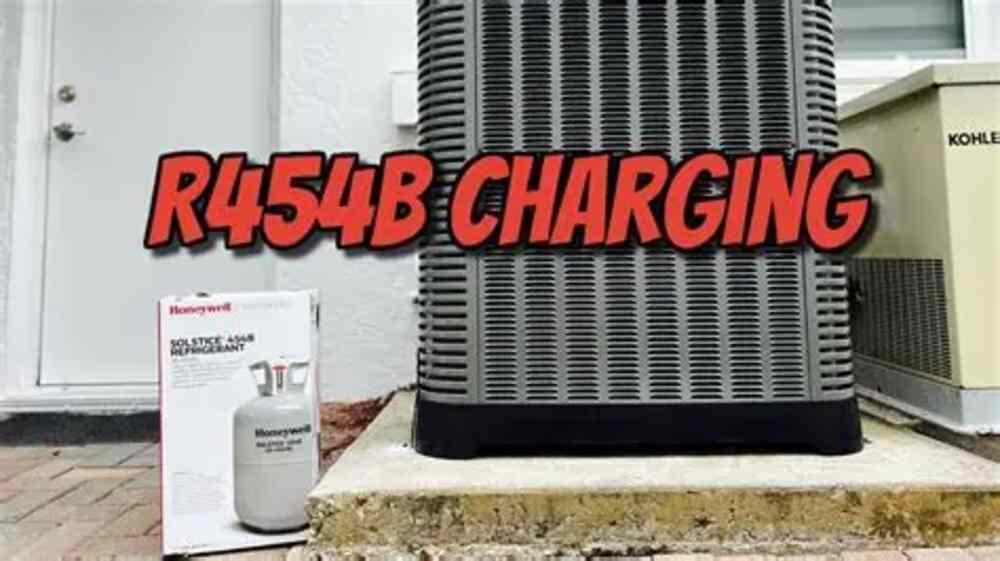
As HVAC systems transition toward lower-global-warming-potential refrigerants, R-454B has become an important replacement for R-410A in many newer air-conditioning applications. While the refrigerant offers advantages in environmental performance, technicians must understand that charging an R-454B system in cool outdoor conditions can present challenges. One of the most important considerations is the reliability of subcooling as a charging indicator when outdoor temperatures fall below approximately 55°F.
Understanding why conventional subcooling methods become less dependable in cold weather can help HVAC professionals avoid overcharging, undercharging, and unnecessary diagnostic work - harga ac 1/2 pk.
What Is R-454B?
R-454B is an A2L-class refrigerant blend developed for use in air-conditioning and heat pump equipment. It is designed to provide lower global warming potential than many older refrigerants while supporting the efficiency and performance requirements of modern HVAC systems.
Because R-454B has different thermodynamic characteristics from R-410A, technicians should not automatically apply charging procedures from older systems. Manufacturer specifications, equipment design, and the required charging method should always take priority.
Why Subcooling Matters
Subcooling is a valuable measurement used to evaluate refrigerant charge in many conventional air-conditioning systems. It represents the temperature difference between the refrigerant's saturation temperature and the actual liquid-line temperature leaving the condenser.
When a system operates under normal design conditions, the relationship between pressure, saturation temperature, and liquid-line temperature can provide useful information about the refrigerant charge.
For example, if the manufacturer's specified target subcooling is 10°F, a technician can compare the measured value with that target to determine whether the system may require adjustment.
However, this method depends on the system operating within conditions where the manufacturer expects the charging procedure to be valid.
Why Charging Below 55°F Can Be Difficult
When outdoor temperatures drop, the condenser cannot reject heat in the same way it does during normal cooling operation. Lower outdoor ambient temperatures can cause condensing pressure and temperature to fall significantly.
This creates a fundamental problem: the system may no longer operate under the conditions used to establish the recommended subcooling target.
A technician may observe an unusually low or unstable subcooling reading and assume that refrigerant needs to be added. Adding refrigerant based solely on that measurement, however, can result in an overcharged system once outdoor temperatures return to normal operating conditions.
The issue is not necessarily a defective gauge, thermometer, or refrigerant circuit. Instead, the operating conditions may simply be outside the range where standard subcooling-based charging provides a reliable indication.
The Effect of Low Ambient Conditions
Low outdoor temperatures can reduce head pressure and alter the refrigerant flow through the system. Depending on equipment design, condenser controls, fan operation, metering devices, and system configuration, these changes can make pressure and temperature readings behave differently from those observed during typical summer operation.
Modern HVAC equipment may use sophisticated controls to maintain appropriate operating conditions during low-ambient operation. Nevertheless, technicians should not assume that a normal subcooling target remains applicable in every situation.
This is especially important when commissioning new equipment, performing repairs during cool weather, or replacing components that require refrigerant recovery and recharge.
Follow the Manufacturer's Charging Procedure
The most important rule when working with R-454B is to follow the equipment manufacturer's instructions. Different systems can use different charging methods, and some manufacturers specify particular outdoor temperature ranges for charging.
Depending on the equipment, the correct procedure may involve weighing in a specified refrigerant charge rather than attempting to achieve a target subcooling value under unsuitable conditions.
A factory charge may also be based on a particular line-set length, with additional refrigerant required when the installation exceeds the manufacturer's standard piping configuration.
Technicians should therefore consult the unit's installation manual, service documentation, and charging charts before making adjustments.
Why Weighing the Charge Can Be More Reliable
When operating conditions are unsuitable for conventional performance-based charging, measuring the refrigerant by weight can provide a more controlled approach. This is particularly useful during initial commissioning or after the system has been completely evacuated and the original charge has been removed.
The technician can determine the required factory charge and account for any approved adjustments related to line-set length or installation configuration.
This method reduces dependence on unstable pressure and temperature relationships caused by low outdoor ambient conditions.
However, weighing in refrigerant does not eliminate the need for proper system verification. After charging, the technician should confirm that the equipment operates according to the manufacturer's requirements when suitable operating conditions are available.
Avoid Using Pressure Alone
Pressure readings should also be interpreted carefully. A low pressure reading in cool weather does not automatically mean the system is undercharged.
Outdoor temperature, indoor load, airflow, condenser operation, evaporator conditions, and system controls can all affect operating pressures.
Using pressure alone as a charging method can therefore produce inaccurate conclusions. Combining manufacturer-approved procedures with accurate temperature measurements, pressure readings, and charge-by-weight methods provides a more dependable approach.
R-454B Requires Proper Technician Training
R-454B is classified as an A2L refrigerant, meaning it has lower flammability characteristics than traditional nonflammable refrigerants. Technicians working with A2L systems should follow applicable safety requirements and use equipment designed for the refrigerant.
Recovery machines, leak-detection equipment, tools, ventilation practices, and handling procedures should be appropriate for R-454B and the specific equipment being serviced.
Charging accuracy is only one part of successful R-454B service. Safe refrigerant handling and adherence to manufacturer procedures are equally important.
Practical Tips for Cold-Weather Charging
When servicing an R-454B system below 55°F, technicians should avoid making a charging decision based on subcooling alone. Instead, consider the following:
- Check the manufacturer's specified charging temperature range.
- Verify the required factory charge and approved line-set adjustment.
- Use a calibrated refrigerant scale when charging by weight.
- Confirm airflow and system configuration before diagnosing charge problems.
- Avoid adding refrigerant simply because subcooling appears low.
- Record outdoor and indoor conditions during service.
- Recheck system performance when operating conditions are appropriate.
- Follow all safety procedures for A2L refrigerant handling.
Conclusion
R-454B charging below 55°F demonstrates an important principle in modern HVAC service: a measurement is only useful when it is interpreted within the correct operating conditions. Subcooling remains an important diagnostic measurement, but it may not provide a dependable charging target when outdoor temperatures are too low.
Rather than automatically adding refrigerant to correct an unusual subcooling value, technicians should consult the manufacturer's charging procedure and determine whether charging by weight or another approved method is appropriate.
With proper procedures, accurate instruments, and an understanding of low-ambient behavior, HVAC professionals can charge R-454B systems more confidently while avoiding unnecessary refrigerant adjustments and potential system performance problems.

 Czech
Czech
 English
 Arabic
 French
 Spanish
 Deutsch
 Turkish
 Dutch
Dutch
 Italiano
 Russian
 Romaian
 Portuguese (Brazil)
 Greek
Greek