


 About SPORTIVO Network
Best Shower Head Filter for Cleaner and Safer Showers
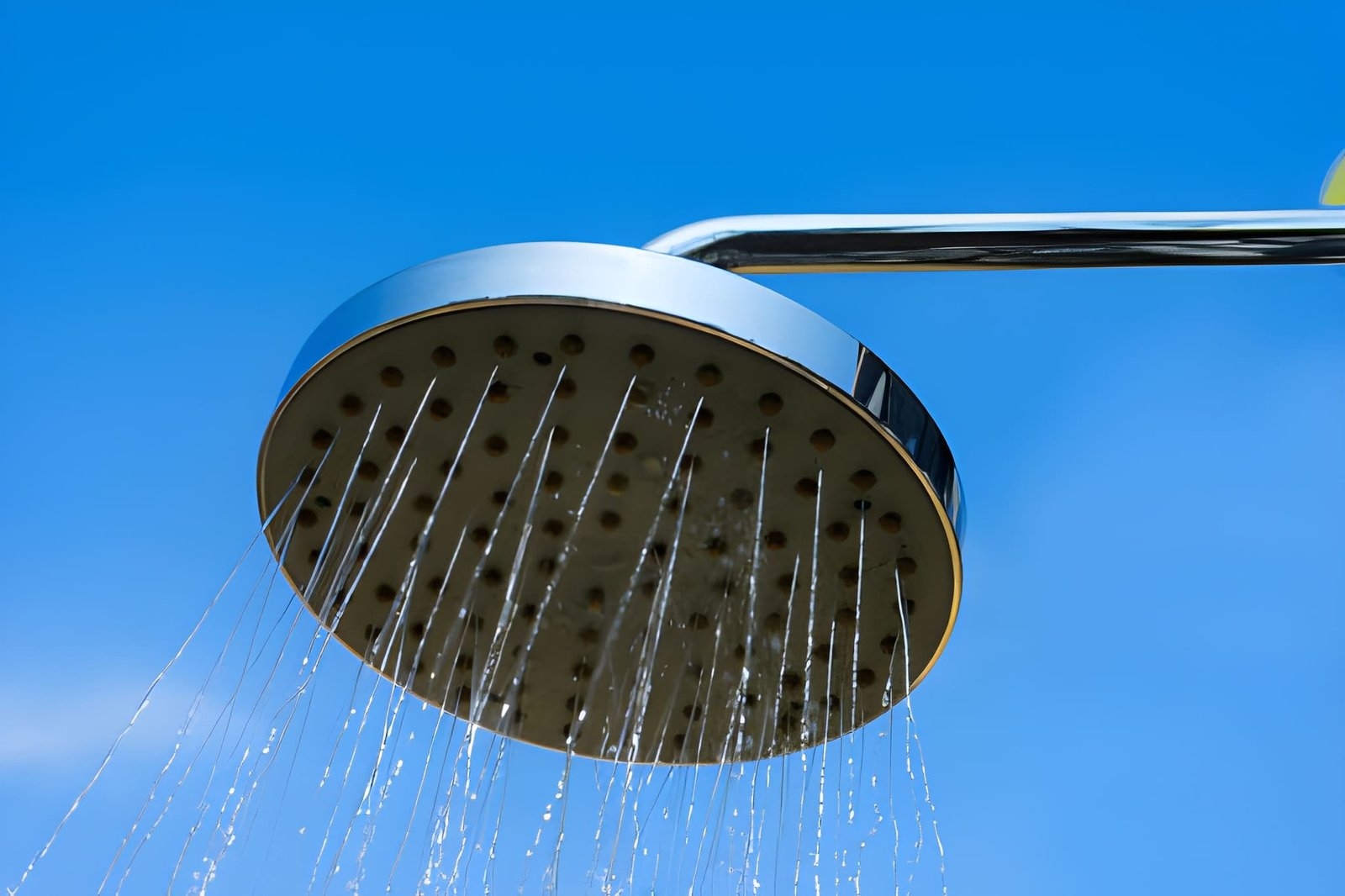
A shower is an important part of your daily routine, but the quality of the water coming from your shower can affect your overall experience. Chlorine, sediment, and other impurities may be present in water supplies, which is why many homeowners consider installing a shower head filter. Choosing the best shower head filter requires looking beyond attractive designs and marketing claims and focusing on filtration performance, certification, filter life, and ease of use.
Why Use a Shower Head Filter?
Shower filters are primarily designed to reduce specific substances in shower water, particularly free available chlorine. Chlorine is commonly used to disinfect municipal water supplies. A suitable filter can help reduce chlorine exposure and may make shower water feel more comfortable on the skin and hair. NSF/ANSI 177 is the recognized standard for shower filtration systems designed to reduce free available chlorine.
However, it is important to understand that a shower filter is not the same as a whole-house water treatment system. Different products target different substances, so buyers should always check the manufacturer's specific performance claims.
Look for Effective Filtration Media
The filtration media inside a shower filter plays a major role in its performance. Common materials include activated carbon, KDF media, calcium sulfite, and combinations of different filtration materials.
Multi-stage filters may combine several media to target chlorine, sediment, odors, and other impurities. However, having more filtration stages does not automatically mean a product is better. Look for verified performance rather than choosing a filter simply because it advertises a large number of stages.
Check for NSF Certification
Certification is one of the most useful features to consider when buying a shower filter. NSF/ANSI 177 specifically addresses shower filtration systems and verified reduction of free available chlorine.
Independent certification can provide more confidence than unsupported claims such as "removes 99% of everything." Always check the exact model and certification because certification applies to specific products and specific performance claims.
Consider Filter Life
Every filter cartridge eventually needs replacement. Filter life can vary depending on the product, water quality, household usage, and filter capacity.
Before purchasing, check how many gallons the cartridge is designed to handle or how frequently the manufacturer recommends replacing it. Some shower filters have replacement cycles of several months, while others may last longer under suitable conditions.
A longer filter life can make maintenance easier and reduce ongoing costs.
Maintain Good Water Pressure
A good shower head filter should provide filtration without making your shower uncomfortable. Water pressure and flow rate can vary between products, so check the manufacturer's specifications before purchasing.
If your existing shower already has low pressure, choose a filter designed to maintain a suitable flow rate. Inline filters can also be useful because they allow you to continue using your preferred showerhead.
Choose Easy Installation
Installation is another important consideration. Many shower filters are designed to connect directly to standard shower plumbing without major modifications.
An inline filter can be installed between the shower arm and your existing showerhead, while a filtered showerhead combines the filter and showerhead into one unit. Choose the design that best fits your bathroom setup and preferences.
Understand Hard Water Limitations
Hard water contains minerals such as calcium and magnesium that can contribute to scale buildup. A standard shower filter should not automatically be considered a water softener.
If hard water is your main concern, check exactly what the product is designed to reduce. Some shower filters may help with certain effects associated with hard water, but they generally do not provide the same mineral removal as a dedicated water softening system.
Replace the Filter Regularly
Even the best shower head filter requires regular maintenance. As the filtration media becomes exhausted, its effectiveness can decrease.
Follow the manufacturer's recommended replacement schedule and consider replacing the cartridge sooner if you notice reduced flow, changes in water quality, or other signs that the filter may be reaching the end of its service life.
Choose Quality Over Marketing Claims
When comparing shower filters, don't focus only on the number of filtration stages, attractive packaging, or claims about healthier skin and hair. Instead, compare certification, tested performance, filter capacity, flow rate, replacement costs, construction quality, and warranty coverage.
Independent testing and recognized certification can help you make a more informed decision. Current shower-filter comparisons also show significant differences between products in chlorine reduction, maintenance, and filter capacity.
Final Thoughts
The best shower head filter should match your water quality concerns, shower setup, budget, and maintenance preferences. Look for reliable filtration technology, verified chlorine-reduction performance, suitable water flow, a reasonable filter life, and easy installation.
Most importantly, understand what the filter can and cannot remove. Choosing a product based on verified performance rather than marketing claims can help you enjoy a cleaner-feeling shower while getting better long-term value from your investment.

 Czech
Czech
 English
 Arabic
 Spanish
 Portuguese
 Deutsch
 Turkish
 Dutch
Dutch
 Italiano
 Russian
 Romaian
 Portuguese (Brazil)
 Greek
Greek