


 About SPORTIVO Network
How to Manage Construction Fleet Operations More Efficiently
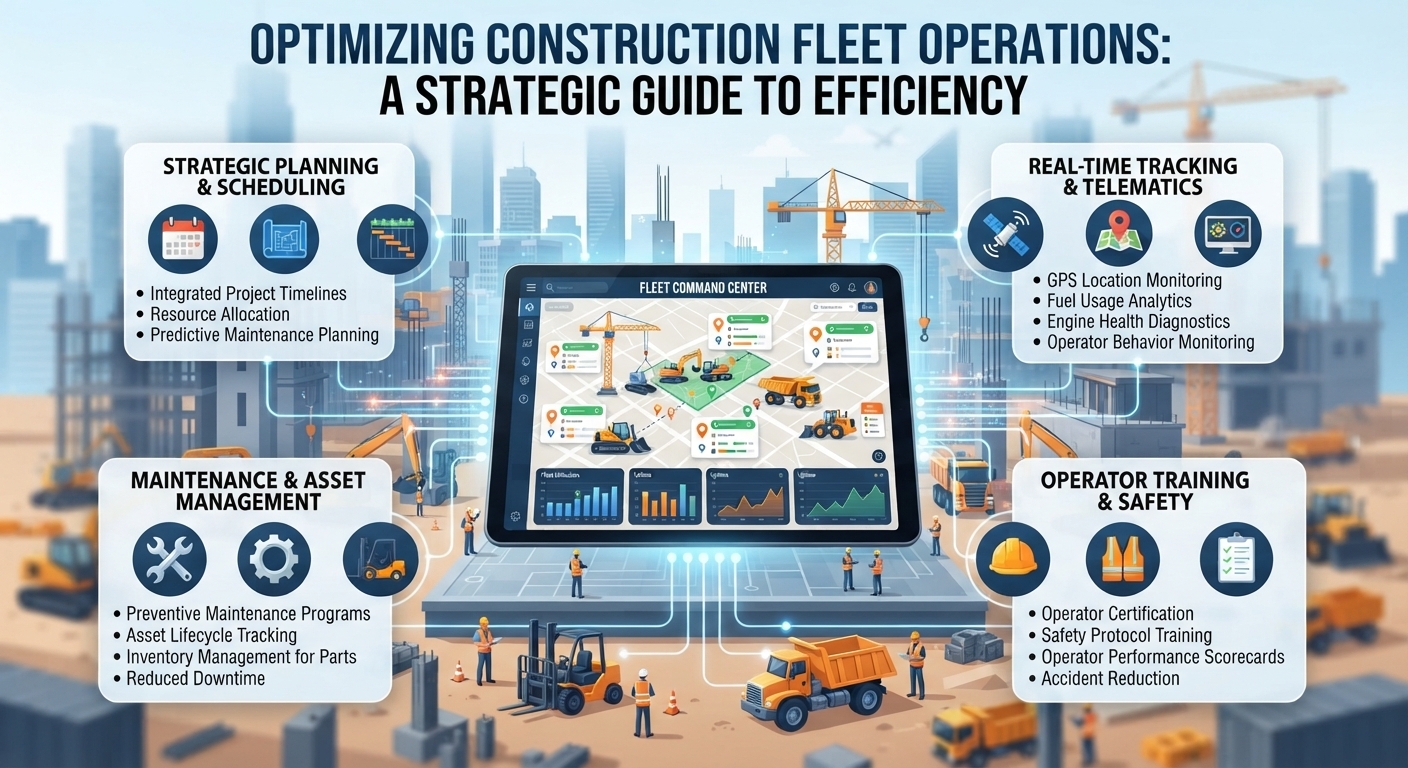
Construction companies depend on vehicles to move people, equipment, materials, tools, and supplies. Pickup trucks, dump trucks, service vehicles, trailers, flatbeds, fuel trucks, and other fleet resources support daily construction activities across multiple locations.
As businesses grow, fleet operations become increasingly complex. Vehicles are assigned to different projects, transferred between jobsites, taken for maintenance, and shared by multiple teams. Without accurate fleet information, contractors can encounter scheduling conflicts, vehicle downtime, unnecessary rentals, inefficient travel, and rising operating costs.
Construction fleet management software provides a centralized approach to organizing vehicle information, assignments, availability, maintenance, and utilization. By bringing fleet operations together, contractors can improve coordination and make better decisions about transportation resources.
Why Fleet Management Matters in Construction
Fleet operations have a direct impact on project productivity.
Vehicles may be required to:
-
Deliver construction materials
-
Transport machinery
-
Move workers
-
Carry tools
-
Support field maintenance
-
Remove waste
-
Transport fuel and supplies
If transportation resources are unavailable when required, project activities can slow down. Efficient fleet management helps keep transportation aligned with construction schedules.
Maintain Accurate Vehicle Records
A centralized fleet record may include:
-
Vehicle identification
-
Vehicle type
-
Make and model
-
Current location
-
Project assignment
-
Availability
-
Maintenance status
-
Service history
-
Inspection information
-
Driver or department assignment
Accurate records give managers a clearer picture of their fleet.
Improve Vehicle Assignments
Construction projects often have different transportation needs. One jobsite may require several dump trucks while another needs pickups or equipment trailers.
Managers need to understand which vehicles are:
-
Assigned
-
Available
-
Under maintenance
-
In storage
-
Scheduled for transfer
This makes it easier to allocate vehicles based on actual project requirements.
Improve Fleet Coordination Across Jobsites
Vehicles regularly move between construction projects.
A service truck may support one site in the morning and another later in the day. A trailer may transfer equipment between two projects. Without organized records, managers may not know when vehicles become available. Centralized fleet information helps teams coordinate transfers and assignments more effectively.
Reduce Unnecessary Vehicle Rentals
Renting additional vehicles may be necessary when demand exceeds fleet capacity. However, poor visibility can lead to rentals that could have been avoided.
Before arranging a rental, managers can review:
-
Current fleet assignments
-
Available vehicles
-
Upcoming project needs
-
Vehicles coming off other projects
-
Underutilized assets
This can help determine whether an existing vehicle can meet the requirement.
Improve Vehicle Utilization
Fleet ownership involves ongoing expenses such as:
-
Fuel
-
Maintenance
-
Insurance
-
Storage
-
Depreciation
-
Repairs
A vehicle that remains idle for long periods may not provide enough value to justify those costs. Fleet utilization information helps managers identify:
-
Frequently used vehicles
-
Underutilized vehicles
-
Idle periods
-
High-demand vehicle types
-
Vehicles that may be reassigned
Better utilization can improve the return on fleet investment.
Coordinate Preventive Maintenance
Vehicle reliability depends on regular service.
Construction vehicles often operate under difficult conditions and may accumulate significant mileage or operating hours.
Maintenance requirements can include:
-
Oil changes
-
Brake inspections
-
Tire checks
-
Battery maintenance
-
Fluid servicing
-
Safety inspections
-
Scheduled repairs
Organized maintenance planning helps reduce the likelihood of unexpected failures.
Reduce Vehicle Downtime
When a vehicle breaks down, the consequences may extend beyond repair costs. A failed delivery vehicle may delay materials. A broken service truck may prevent technicians from reaching a project. A damaged trailer may delay equipment transportation.
Preventive maintenance and accurate availability records help contractors plan around vehicle downtime and reduce disruptions.
Coordinate Maintenance With Project Schedules
Maintenance should be planned with current and future fleet requirements in mind.
Managers can review:
-
Project schedules
-
Vehicle assignments
-
Service due dates
-
Maintenance workload
-
Alternative vehicles
This makes it easier to select service periods that have the least impact on active construction activities.
Improve Transportation Planning
Construction fleet operations involve many different types of transportation requests. These can include:
-
Material deliveries
-
Equipment transfers
-
Supplier pickups
-
Worker transportation
-
Waste removal
-
Maintenance support
Organized scheduling helps contractors coordinate these activities and reduce conflicts.
Reduce Unnecessary Travel
Unnecessary vehicle trips consume fuel, driver time, and vehicle capacity. Poor coordination may result in multiple vehicles making separate trips to nearby locations when transportation could have been consolidated.
Better planning can help managers coordinate travel around:
-
Project locations
-
Delivery requirements
-
Vehicle capacity
-
Existing assignments
-
Equipment movement
Reducing unnecessary travel can improve operational efficiency and help control transportation costs.
Improve Driver Accountability
Fleet management also involves clear assignment of vehicles and responsibilities. Records can help identify:
-
Assigned drivers
-
Project responsibility
-
Vehicle condition
-
Inspection requirements
-
Damage reports
-
Maintenance notifications
Clear responsibility can improve communication and encourage better vehicle care.
Monitor Vehicle Condition
Construction vehicles experience significant wear.
Managers can maintain information about:
-
Repair history
-
Inspection results
-
Maintenance activities
-
Vehicle age
-
Operating hours
-
Mileage
-
Recurring problems
This can help identify vehicles that require closer attention.
Identify Recurring Fleet Problems
Fleet data can reveal patterns that are difficult to see from individual incidents.For example, managers may identify vehicles that:
-
Require frequent repairs
-
Experience high downtime
-
Have repeated tire problems
-
Generate rising maintenance costs
-
Are regularly unavailable
Recognizing these trends can help management determine whether a vehicle requires additional maintenance or replacement.
Support Fleet Replacement Decisions
Replacing a construction vehicle is a significant investment. Keeping a vehicle too long can lead to increasing repair expenses, while replacing it too early can reduce the return on the original investment.
Fleet information can help managers evaluate:
-
Vehicle age
-
Maintenance spending
-
Repair frequency
-
Utilization
-
Downtime
-
Project demand
This supports more informed replacement planning.
Improve Fleet Communication
Fleet operations involve:
-
Project managers
-
Drivers
-
Mechanics
-
Dispatchers
-
Field supervisors
-
Equipment coordinators
-
Operations teams
A centralized fleet management process helps these groups work from consistent information. This can reduce communication gaps and improve coordination throughout the business.
Scale Fleet Operations as the Business Grows
A fleet of several vehicles can often be managed through basic records. As businesses expand, however, vehicle assignments, maintenance requirements, and transportation demands become more complex.
Construction fleet management software offers a structured approach for managing growing fleets across multiple projects.
This can help companies maintain better visibility while standardizing fleet processes.
Best Practices for Efficient Fleet Operations
Contractors can improve fleet management by:
Maintaining Centralized Records
Keep vehicle information organized and current.
Reviewing Fleet Utilization
Identify vehicles that are overused or underutilized.
Scheduling Preventive Maintenance
Address service requirements before failures occur.
Coordinating Project Requirements
Match vehicle availability with project schedules.
Documenting Transfers
Update records whenever vehicles move between projects.
Reviewing Fleet Performance
Analyze downtime, maintenance, utilization, and operating costs.
Benefits of More Efficient Fleet Management
Better fleet operations can provide:
-
Improved vehicle availability
-
Better utilization
-
Reduced downtime
-
Fewer unnecessary rentals
-
Improved maintenance planning
-
Better transportation coordination
-
Reduced unnecessary travel
-
Stronger accountability
-
Better communication
-
More informed replacement decisions
Conclusion
Construction fleet operations connect people, equipment, materials, and jobsites. When vehicles are not properly coordinated, transportation delays, downtime, unnecessary travel, and rising costs can affect project performance.
Construction fleet management software provides a centralized way to organize vehicle assignments, availability, maintenance, utilization, and transportation requirements.
By improving fleet visibility and coordination, contractors can use their vehicles more effectively, reduce avoidable disruptions, control operating costs, and make better decisions as their fleets and construction operations continue to grow.

 Czech
Czech
 Arabic
 French
 Spanish
 Portuguese
 Deutsch
 Turkish
 Dutch
Dutch
 Italiano
 Russian
 Romaian
 Portuguese (Brazil)
 Greek
Greek