


 Android App
 About SPORTIVO Network
Generative AI in Oil and Gas Boosts Field Decisions Safely
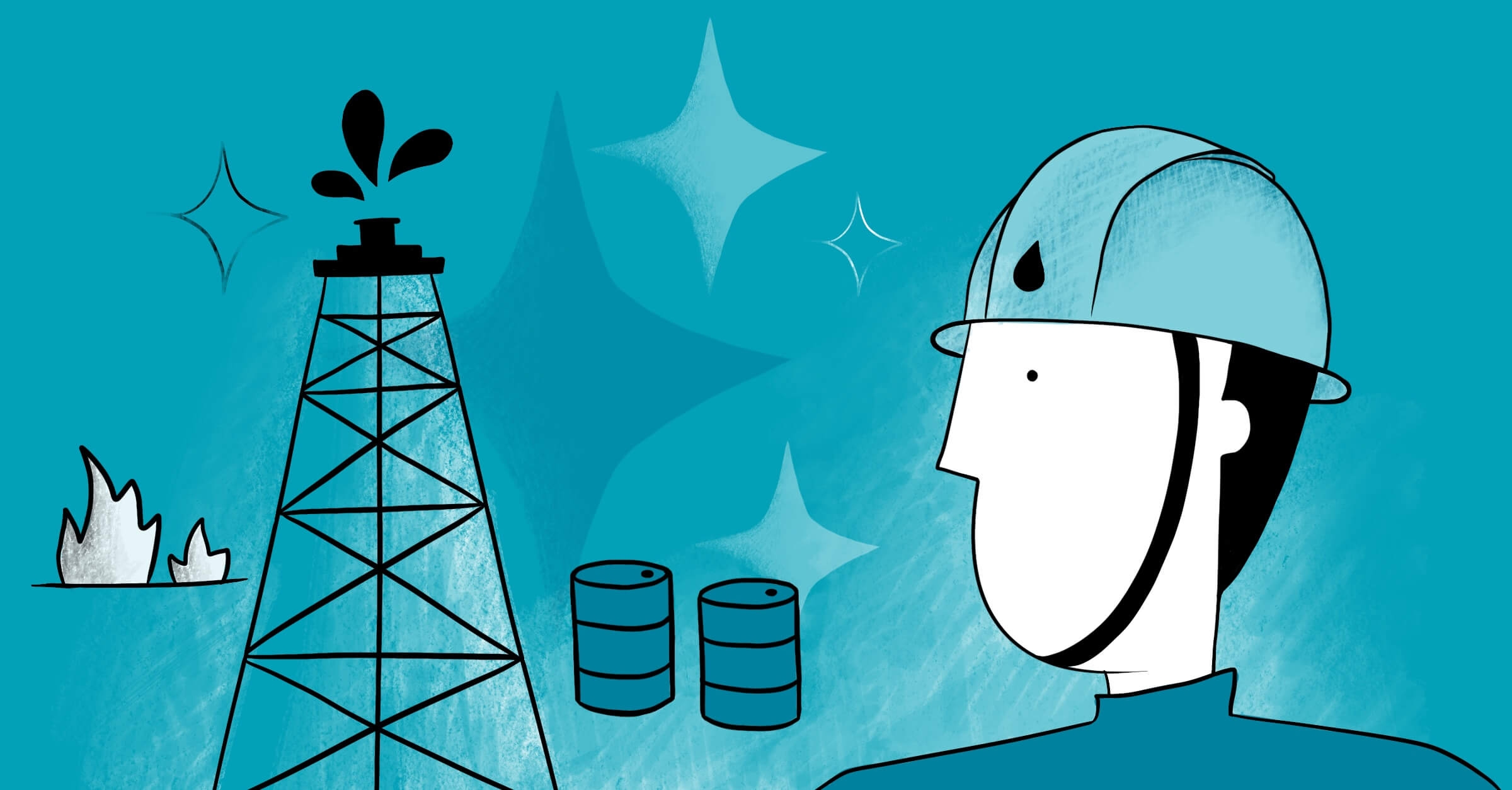
The Generative AI in Oil and Gas market is emerging as operators seek faster decisions, safer operations, and improved capital efficiency. Generative models can summarize drilling reports, interpret maintenance logs, and draft procedures, reducing time spent on documentation and knowledge retrieval. In upstream, teams use GenAI to assist geoscientists and drilling engineers by synthesizing seismic interpretations, well histories, and offset performance into usable insights. In midstream and downstream, GenAI supports reliability teams by generating troubleshooting steps and surfacing similar past incidents. The biggest value often comes from combining GenAI with engineering data and physics-based models rather than treating it as a standalone chatbot. Adoption is also driven by workforce dynamics: experienced staff are retiring, and companies need tools to transfer operational knowledge to newer teams. Early programs focus on controlled internal copilots that operate within strict safety, security, and compliance boundaries.
High-impact use cases cluster around knowledge work and operational support. GenAI can convert unstructured documents into structured content, enabling quicker compliance reporting and easier audit preparation. It can generate shift handover summaries, highlight abnormal events in logs, and propose next actions aligned with standard operating procedures. In maintenance, GenAI helps technicians by translating equipment manuals into step-by-step guidance and recommending parts based on symptoms. In supply chain, it can draft purchase requests, summarize vendor communications, and support contract clause review. However, oil and gas environments require high accuracy; hallucinations can create safety risks. Therefore, successful deployments use retrieval-augmented generation (RAG) grounded in approved documents and engineering databases. Human-in-the-loop review is mandatory for critical decisions. Companies also define “no-go” zones where GenAI cannot directly control equipment or override safety systems. These guardrails help organizations capture productivity gains while protecting operations.
Data and security readiness determine whether GenAI programs scale. Oil and gas data is fragmented across historians, SCADA systems, maintenance systems, and document repositories. Cleaning, labeling, and governing this data is a prerequisite for reliable GenAI outputs. Many organizations create domain ontologies and metadata standards to improve retrieval and context. Cybersecurity is equally important: GenAI systems must enforce role-based access and prevent leakage of sensitive reservoir data, trading information, or critical infrastructure details. Deployment choices—on-premise, private cloud, or hybrid—often reflect security policies and latency requirements. Model governance also matters: companies need testing protocols, prompt and output logging, and version control for knowledge sources. As regulatory expectations grow, auditability becomes essential. Strong governance frameworks reduce risk and build trust among engineers, operators, and HSE teams who must rely on the tool’s outputs.
Over time, GenAI will move from pilots to embedded workflows. The most valuable applications will be those tied to measurable operational KPIs: reduced non-productive time, faster maintenance resolution, improved first-time fix rates, and fewer safety incidents due to better procedure compliance. Integration with digital twins and condition monitoring can allow GenAI to generate explanations of anomalies and recommend investigative steps. Training applications may also expand, with GenAI creating scenario-based learning from real incidents and equipment histories. Organizations should approach adoption with clear use cases, strong data controls, and structured change management. Success depends on combining GenAI with domain expertise, validated documents, and rigorous review processes. In a high-risk industry, the winning strategy is not maximum automation, but reliable augmentation—helping teams work faster and safer while keeping accountability with qualified personnel.
Top Trending Reports:

 Czech
Czech
 English
 Arabic
 French
 Spanish
 Portuguese
 Turkish
 Dutch
Dutch
 Italiano
 Russian
 Romaian
 Portuguese (Brazil)
 Greek
Greek