


 About SPORTIVO Network
What Is the Most Low-Maintenance Toilet for a Cabin?
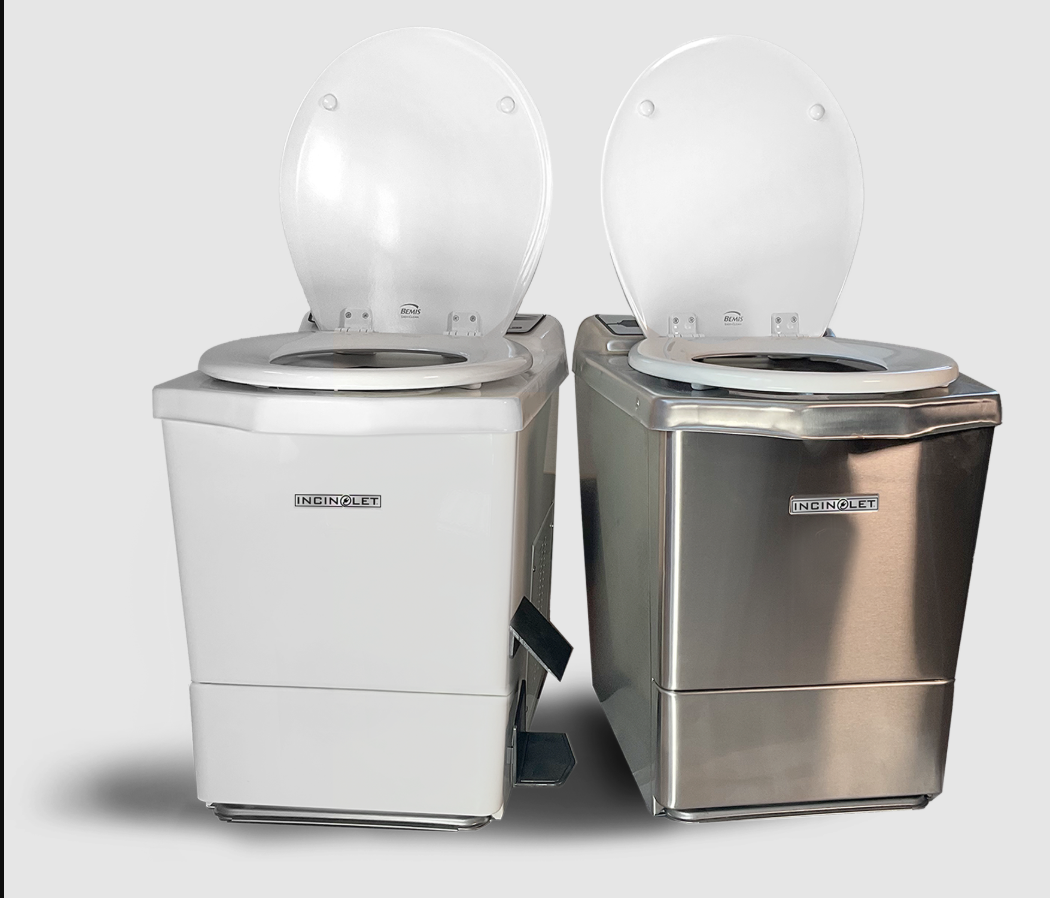
A cabin can be a peaceful escape, but maintaining its plumbing system can become difficult when the property is remote or used only seasonally. Limited water access, freezing temperatures, and the absence of municipal sewer connections can make a conventional toilet less convenient. For this reason, many cabin owners look for sanitation options that require less plumbing and routine upkeep.
So, what is the most low-maintenance toilet for a cabin? For a cabin with an appropriate electrical supply, an electric incinerating toilet such as Incinolet can be a practical option. It processes toilet waste using heat rather than water-based flushing and does not require a conventional septic connection for toilet waste.
Why Is a Low-Maintenance Toilet Useful?
Cabins often have different requirements from permanent homes. A property may sit unused for weeks or months, making water-filled plumbing vulnerable to freezing and other problems. Installing a traditional toilet can also require connections to a septic system or sewer line.
An Incinolet offers a water-free approach. Waste is collected inside the unit and processed through a controlled heating cycle, leaving a small amount of dry ash. The ash can be removed periodically following the manufacturer's instructions.
What Maintenance Does an Incinerating Toilet Need?
No toilet is completely maintenance-free. An electric incinerating toilet requires regular attention to keep it operating correctly. Owners should follow recommended cleaning procedures, maintain the ventilation system, inspect relevant components, and remove ash as instructed.
Because Incinolet does not rely on water for flushing, it can eliminate some maintenance concerns associated with water-based toilet plumbing. However, electricity and ventilation remain essential requirements.
Is It Suitable for an Off-Grid Cabin?
It can be, provided the cabin has an appropriate power source. Properties without grid electricity may use a properly designed solar-and-battery system or generator.
Before installation, owners should check electrical requirements, ventilation needs, available space, and local regulations. A qualified professional may be needed for electrical installation.
Environmental Considerations
Water conservation is one potential advantage of Incinolet. Since it does not use water for flushing, it can help reduce water consumption at cabins relying on wells or stored water.
The toilet does use electricity, so its environmental impact depends partly on the electricity source. Renewable power can complement a more sustainable cabin setup. Proper ash disposal and ventilation are also important.
Looking Ahead
As more people choose remote cabins, tiny homes, and off-grid lifestyles, water-free sanitation systems could become increasingly useful. Advances in solar power, battery storage, and energy efficiency may make electric toilets more practical in remote locations.
Final Thoughts
For a cabin with suitable electricity, Incinolet can be a low-maintenance alternative to traditional water-based toilets. Its water-free operation and reduced waste volume may simplify sanitation, particularly where conventional plumbing or septic installation is difficult.

 Czech
Czech
 English
 Arabic
 French
 Spanish
 Portuguese
 Deutsch
 Turkish
 Italiano
 Russian
 Romaian
 Portuguese (Brazil)
 Greek
Greek