


 About SPORTIVO Network
Building More Effective Teams with Employee Monitoring
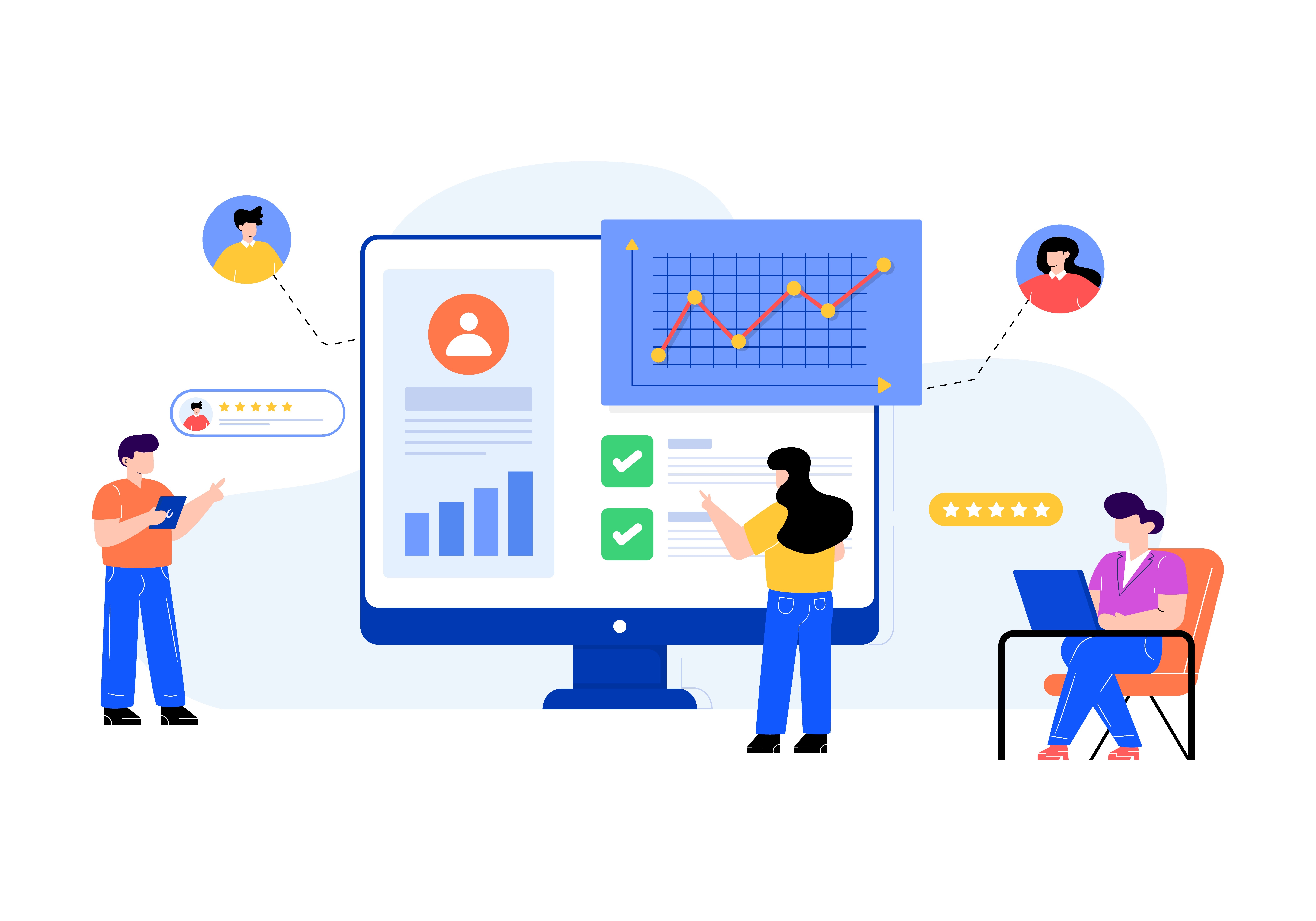
Building an effective team is not simply about hiring skilled people and assigning tasks. Teams perform better when managers understand how work is organized, where time is being spent, and which processes may be slowing progress. This becomes more important for remote and hybrid teams, where managers cannot always observe day-to-day workflows directly.
An employee monitoring tool can provide useful visibility into work patterns without relying entirely on assumptions or manual reports. Activity trends, time records, application usage, task progress, and productivity data can help managers identify operational gaps and create better ways of working.
The goal is not to watch every action employees take. Instead, organizations can use work data to understand how teams collaborate, identify unnecessary processes, and support employees when they face recurring productivity challenges.
Why Team Effectiveness Depends on Work Visibility
Managers often evaluate team performance through project results, deadlines, meetings, and employee updates. While these indicators are useful, they may not explain why certain projects take longer than expected or why some employees repeatedly face workload challenges.
Work visibility adds another layer of understanding. It can help managers recognize patterns such as:
- Repeated interruptions during focused work
- Excessive time spent switching between applications
- Uneven workloads across team members
- Tasks that consistently require more time than planned
- Delays caused by inefficient workflows
- Periods of low activity that may indicate blockers
- Collaboration patterns that affect project progress
These insights can make performance discussions more practical. Instead of simply asking why a deadline was missed, managers can examine the workflow surrounding the task and determine whether the problem came from workload, process inefficiency, unclear priorities, or another operational issue.
Using Data to Improve Team Workflows
Effective teams need processes that support productivity rather than create unnecessary administrative work. Monitoring data can help organizations review how existing workflows operate in practice.
For example, a team may discover that employees spend considerable time moving information between multiple systems. The problem may not be individual productivity but an inefficient process. Consolidating tools or automating repetitive steps could then improve performance for the entire team.
The same approach can be applied to meetings. If employees regularly spend large portions of their working hours in meetings while project progress remains slow, managers can review whether every meeting is necessary. Shorter meetings, clearer agendas, or asynchronous communication may create more time for focused work.
This makes monitoring data useful as a process-improvement resource rather than simply a measurement of individual activity.
Finding Patterns Behind Team Performance
One of the strongest benefits of work data is the ability to identify recurring patterns rather than focusing on isolated events.
Suppose a project team regularly becomes less productive during the final hours of the workday. A manager could investigate whether this happens because of frequent meetings, excessive administrative tasks, or a workload imbalance.
Similarly, if a particular group consistently spends more time on a certain type of task, managers can examine the underlying process. Perhaps employees need better documentation, additional training, improved software, or clearer task instructions.
Patterns can also reveal positive practices. A team may have developed an efficient workflow that allows projects to move quickly from planning to completion. Once identified, that approach can potentially be adopted by other teams.
This type of analysis helps organizations move from assumptions to evidence-based decisions.
Supporting Better Workload Distribution
Uneven workloads can affect both productivity and employee experience. One team member may have several urgent assignments while another has available capacity, yet managers may not recognize the imbalance until deadlines are affected.
Work activity and time data can provide additional context when reviewing workload distribution. Managers can compare project assignments, time spent on tasks, and recurring workload patterns to determine whether responsibilities are balanced appropriately.
For example, if one employee consistently spends significantly more time completing similar tasks, the manager can investigate the reason. The difference could result from task complexity, additional responsibilities, inefficient processes, or a need for support.
The objective should be to understand the situation rather than automatically interpret higher activity as better performance.
Encouraging More Focused Work
Constant interruptions can make it difficult for employees to complete complex work efficiently. Notifications, unnecessary meetings, application switching, and frequent task changes can fragment attention.
Organizations can use monitoring insights to identify these patterns and introduce practical improvements.
Teams might establish dedicated focus periods, reduce unnecessary meetings, organize communication channels more effectively, or group similar tasks together. These changes can help employees spend more time on meaningful work without requiring them to simply work longer hours.
A Time Card Calculator can also complement these efforts by helping employees and managers understand total working hours, regular time, and overtime when applicable. Combining accurate time records with activity insights provides a clearer view of how working hours are being used.
Creating More Useful Performance Conversations
Performance discussions can become unproductive when they rely only on opinions. Employees may feel that their efforts are not fully understood, while managers may struggle to explain specific areas for improvement.
Data can make these conversations more objective.
Rather than saying that an employee appears distracted, a manager can discuss measurable work patterns and ask whether there are obstacles affecting productivity. The employee may reveal that they are dealing with excessive administrative work, unclear priorities, or technical problems.
This changes the conversation from criticism to problem-solving.
Managers can also use positive data during performance discussions. Employees who consistently maintain efficient workflows, complete tasks on time, or contribute to team goals can receive recognition based on observable results.
How Teams Can Use Monitoring Responsibly
The effectiveness of monitoring depends heavily on how organizations use the information collected. Employees are more likely to accept monitoring when its purpose is clear and the data is used responsibly.
Organizations should establish clear guidelines covering:
- What information is collected
- Why the information is collected
- Who can access it
- How long data is retained
- How productivity information is interpreted
- How employees can raise concerns
- Which decisions should not be based solely on monitoring data
Context is particularly important. A period of low activity does not automatically mean an employee is unproductive. They could be attending a client meeting, planning a project, reviewing documents away from their computer, or handling another responsibility.
Monitoring should therefore support human judgment rather than replace it.
Where Employee Monitoring Tools in India Fit In
Organizations operating across different work models need practical ways to understand employee time and workflows. Employee monitoring tools in India can be particularly useful for teams managing remote employees, distributed departments, multiple shifts, or flexible working arrangements.
The value comes from combining monitoring with clear management practices. Teams can use work data to understand productivity trends, review time allocation, identify workflow bottlenecks, and improve resource planning.
For organizations with employees working across different schedules, accurate time records can also make attendance and overtime management easier. Managers can spend less time collecting manual information and more time addressing operational issues.
However, the tool itself does not create an effective team. The results depend on how managers interpret the information and whether they use it to improve processes and support employees.
Improving Collaboration Through Better Insights
Team effectiveness also depends on collaboration. When employees work on interconnected tasks, delays in one area can affect several other people.
Monitoring insights can help managers identify where these dependencies are creating problems. If a project repeatedly stalls while waiting for information from another department, the solution may involve changing the handoff process rather than asking employees to work faster.
Managers can also identify when teams are spending too much time on coordination. Excessive status meetings, repeated follow-ups, and manual reporting can consume valuable working hours.
With better visibility, organizations can simplify these processes and create clearer responsibilities. Employees then have more time to focus on the work that directly contributes to project outcomes.
Video for employee monitoring: Click here.
Time Champ for Building More Effective Teams
Time Champ can help organizations understand how employees spend their working time and identify patterns that influence team productivity. Its monitoring and time-tracking capabilities provide managers with visibility into work activity, application usage, attendance, and productivity trends.
Instead of relying entirely on manual timesheets or assumptions, managers can use this information to understand where teams are performing well and where workflows may need improvement.
Time Champ can also help organizations examine workload patterns and working hours across teams. These insights can support better planning, more balanced workloads, and more informed performance conversations.
The most effective use of the platform is not simply measuring activity. It is using the information to identify obstacles, improve workflows, and create an environment where employees can focus on meaningful work.
Turning Work Patterns Into Team Improvements
Work patterns become valuable when they lead to meaningful action. Collecting data without reviewing what it means will not improve team performance.
A practical approach is to follow a simple cycle:
- Identify a pattern – Look for recurring trends in time, activity, workload, or workflow.
- Understand the context – Discuss the pattern with employees and managers before drawing conclusions.
- Find the underlying cause – Determine whether the issue comes from workload, processes, tools, communication, or other factors.
- Make a targeted improvement – Adjust the workflow, redistribute responsibilities, reduce unnecessary work, or provide additional support.
- Review the results – Check whether the change actually improves productivity and team outcomes.
This approach turns employee monitoring from a passive reporting system into a tool for continuous improvement.
Conclusion
Building more effective teams requires more than measuring how many hours employees spend working. Organizations need to understand how work happens, where time is being lost, how workloads are distributed, and which processes help or hinder productivity.
An employee monitoring tool can provide useful visibility into these patterns when implemented transparently and interpreted with context. When managers use the resulting insights to improve workflows, balance workloads, reduce unnecessary interruptions, and support employees, monitoring can contribute to stronger and more efficient teams.
The ultimate goal is not to measure every minute. It is to understand work better so teams can spend more of their time doing work that matters.

 Czech
Czech
 English
 Arabic
 French
 Spanish
 Portuguese
 Deutsch
 Turkish
 Dutch
Dutch
 Italiano
 Romaian
 Portuguese (Brazil)
 Greek
Greek