Fine hair can make the scalp appear more visible, even when a person has a reasonable number of hair follicles. Individual strands may naturally be thin because of genetics, but they can also become finer when follicles gradually weaken or miniaturize. This is commonly seen with pattern hair loss.
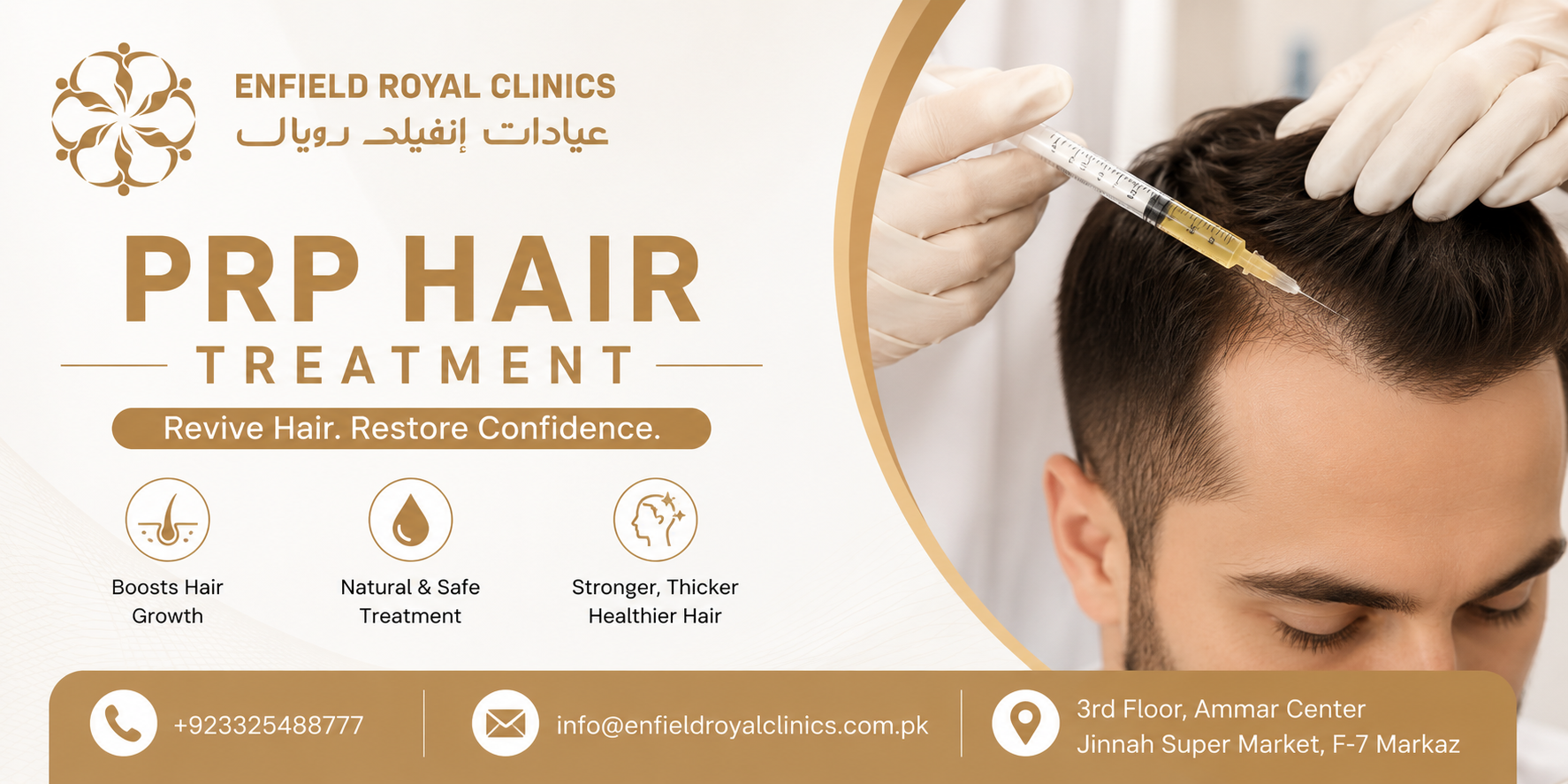
Because fine hair can affect overall density and appearance, many people look for treatments that may help improve strand quality. PRP Hair Treatmentis one option that may support existing follicles and potentially improve the appearance of thinning hair in suitable patients.
PRP stands for platelet-rich plasma. It is prepared from the patient's own blood and contains concentrated platelets and biological signaling substances. When injected into selected areas of the scalp, it is intended to support the local environment around existing follicles.
Why Does Hair Become Fine?
Hair thickness can vary naturally from one person to another. Some people are genetically more likely to have fine strands without experiencing significant hair loss.
However, progressive thinning can also cause individual hairs to become smaller. This process is known as follicular miniaturization.
With miniaturization, a follicle may gradually produce a thinner and shorter hair shaft. Over time, this can make the scalp more visible and reduce the appearance of overall volume.
Understanding why the hair has become fine is important before selecting any treatment.
How Does PRP Work?
PRP is prepared by taking a small sample of blood and processing it to concentrate platelets within the plasma.
Platelets naturally contain growth factors and other substances involved in tissue repair and cellular communication. The prepared plasma is then injected into areas where hair is becoming thin.
The goal is to support existing follicles and their surrounding scalp environment.
PRP does not create new follicles. Its potential benefit is therefore more relevant when fine hair is coming from follicles that are still viable.
Can PRP Make Individual Hair Strands Thicker?
PRP may potentially improve the quality and appearance of hair produced by weakened follicles.
If a follicle responds to treatment, the resulting strand may appear stronger or fuller. When multiple follicles respond, the overall scalp can appear denser.
However, results vary considerably. PRP cannot guarantee that every fine strand will become significantly thicker.
Genetics, the cause of hair loss, follicle condition, age, general health, and treatment protocol can all influence the outcome.
Is Early Thinning Easier to Treat?
The condition of the follicle is an important consideration.
Fine hair produced by an active but miniaturized follicle may have greater potential for improvement than an area where follicles have been permanently lost.
This is one reason early evaluation can be valuable. If thinning is identified while follicles are still producing hair, there may be more treatment options available.
However, early PRP does not guarantee that hair loss will stop permanently.
What Types of Fine Hair May Benefit?
PRP may be considered when fine hair is associated with certain forms of non-scarring hair loss, particularly pattern-related thinning.
It may be used in areas such as the crown, top of the scalp, or other regions where existing follicles have become weaker.
It is less likely to help areas where follicles have been permanently destroyed.
A professional assessment is important because fine hair can have many causes, and PRP is not appropriate for every condition.
Can PRP Improve Overall Hair Density?
Hair density and individual strand thickness are related but different.
Density refers to the number of follicles producing hair in a particular area, while thickness refers to the diameter of each strand.
PRP does not create additional follicles. However, if existing follicles produce stronger-looking strands, the overall appearance of density may improve.
This can make the scalp look less visible without actually increasing the number of follicles.
How Many Sessions Are Needed?
There is no single treatment schedule suitable for everyone.
A provider may recommend several sessions initially and then monitor the response. Some patients may be offered maintenance treatments depending on their condition and treatment goals.
The number and frequency of sessions should be determined after assessing the scalp and hair-loss pattern.
More sessions do not automatically mean better results.
When Can You Expect Improvement?
Hair growth is naturally slow, so changes are not immediate.
After treatment, follicles still need to progress through their normal growth cycle. Some patients may notice changes in hair texture or shedding before seeing visible improvements in thickness.
More noticeable changes may take several months.
Taking photographs at regular intervals and under similar lighting can help provide a clearer picture of gradual progress.
Can Lifestyle Affect Hair Thickness?
Treatment is only one part of maintaining healthy-looking hair.
A balanced diet containing adequate protein and essential nutrients supports normal hair production. Managing stress, getting sufficient rest, and protecting the scalp from unnecessary irritation can also be helpful.
Frequent chemical processing, excessive heat styling, and tight hairstyles may contribute to hair breakage or make fine hair appear even thinner.
Healthy habits cannot reverse every cause of hair loss, but they can support overall hair and scalp health.
Are There Alternatives to PRP?
The most suitable treatment depends on the cause and severity of thinning.
Depending on the diagnosis, a provider may discuss other medical treatments, topical approaches, lifestyle changes, or hair restoration procedures.
If follicles have been permanently lost, a hair transplant may be considered in appropriate candidates because it physically relocates follicles from a suitable donor area.
PRP may also be used as part of a broader hair restoration strategy rather than as a standalone treatment.
Is PRP Suitable for Everyone?
No. PRP is not appropriate for every person with fine hair.
A professional assessment can consider the cause of thinning, scalp health, follicle condition, medical history, and treatment expectations.
People with temporary shedding caused by an underlying medical or nutritional issue may need to address that cause first.
Similarly, areas with permanent follicular loss may have limited potential for improvement from PRP.
Final Thoughts
So, can PRP help thicken fine hair? It may support existing, weakened follicles and potentially improve the appearance of hair thickness in suitable patients.
PRP Hair Treatment is particularly focused on supporting viable follicles rather than creating new ones. This means people with early thinning or miniaturized follicles may have more potential for improvement than those with advanced permanent hair loss.
Results are gradual and vary from person to person. PRP should therefore be viewed as a supportive treatment rather than a guaranteed way to transform fine hair into thick hair.
If your hair has recently become finer, identifying the underlying cause is an important first step. A professional evaluation can determine whether PRP is suitable and whether other treatments should be included in your personalized hair-care plan.



 About SPORTIVO Network

 Czech
Czech
 English
 Arabic
 French
 Spanish
 Portuguese
 Deutsch
 Turkish
 Dutch
Dutch
 Russian
 Romaian
 Portuguese (Brazil)
 Greek
Greek