


 About SPORTIVO Network
Nante Industrial Plug Socket Connector: Engineered For Heavy Duty
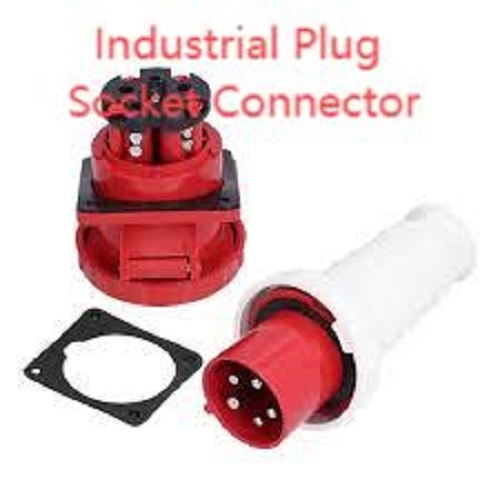
Selecting the right connector for heavy-duty applications is a decision that affects uptime, safety, and serviceability. In many installations the engineers’ choice falls to the Industrial Plug Socket Connector because it balances mechanical robustness with clear electrical ratings; experienced technicians also specify the Industrial Plug Socket Connector when they need reliable mating cycles, positive locking and simple field servicing. This article explores why these connectors matter, how to match product selection to site conditions, and what design and maintenance practices prolong service life.
Materials, Contact Systems and Mechanical Durability
The basic structure of an industrial connector determines how it handles shock, vibration and repeated use. Housings are commonly metal (zinc, aluminum, stainless steel) or reinforced polymer; each material offers trade-offs between weight, corrosion resistance and electrical isolation. Contacts should be silver- or nickel-plated copper alloys to minimize contact resistance and limit heating under load. Look for connectors with reinforced strain-relief and impact ribs, and ensure locking mechanisms are robust—bayonet, screw, or latch styles—that prevent accidental disconnection under load.
Electrical Ratings, Coding and Safety Standards
Match amperage, voltage, and pole configuration precisely to the application. Many industrial plug systems use standardized coding to prevent mismating between incompatible voltages—choose a product family that follows recognized standards for pin layout and color coding. Pay attention to continuous current rating, short-time withstand and temperature class. Where arc-flash or fault energy is a concern, consider added features such as arcing chambers, insulated barriers, or integrated fusing. Verify certifications and test data that confirm compliance with local and international safety standards.
Environmental Sealing, IP Ratings and Thermal Performance
Performance outdoors or in washdown environments depends on the enclosure and sealing approach. Select connectors with appropriate IP ratings for dust and water ingress—IP66/IP67 ratings are common for outdoor and industrial washdown conditions; higher ratings or additional sealing methods may be needed for submerged or pressurized cleaning. Consider the connector’s thermal rise at rated load and how nearby heat sources, direct sunlight, or confined mounting may increase operating temperature. Proper ventilation, heat-shedding housings and thermal-rated gaskets all contribute to reliable operation.
Nante Product Design Features And Application Examples
When specifying connectors for modular machinery, temporary power distribution, or harsh-plant environments, evaluate manufacturer features that enable fast installation and low downtime. Useful design elements include captive screws, removable contact blocks, phase-marked terminals, and integrated sealing plugs for unused positions. In critical facilities, plug systems with clear mechanical interlocks or tool-operated disconnects add an extra layer of safety during maintenance. Consider modular assemblies that allow the swap of contact inserts without replacing entire housings—this simplifies repairs and lowers lifecycle cost.
Installation, Inspection and Maintenance Best Practices
Even the best connector will fail if poorly installed. Use correct torque values for terminals, follow recommended cable preparation procedures, and ensure strain reliefs are properly secured. Establish routine inspections to monitor gaskets, contact condition, and locking integrity; spot signs of discoloration, pitting, or increased resistance early to avoid unplanned outages. For mobile or temporary systems, keep a small stock of spare inserts and seals; trained technicians can often repair or refurbish connectors in the field, minimizing equipment downtime.
Industrial plug/socket systems are a critical link between power sources and equipment. Thoughtful selection—based on materials, ratings, sealing, and maintainability—combined with disciplined installation and inspection practices yields long-term reliability. By prioritizing compatibility with site conditions and selecting modular, serviceable designs, owners reduce lifecycle costs and improve safety. For a technical overview and industry guidance on plug types and selection, visit https://www.nante.com/news/industry-news/what-is-industrial-plug.html

 Czech
Czech
 English
 Arabic
 French
 Spanish
 Portuguese
 Deutsch
 Turkish
 Dutch
Dutch
 Italiano
 Russian
 Portuguese (Brazil)
 Greek
Greek