


 Android App
 About SPORTIVO Network
Signs It’s Time to Call a Home Healthcare Doctor
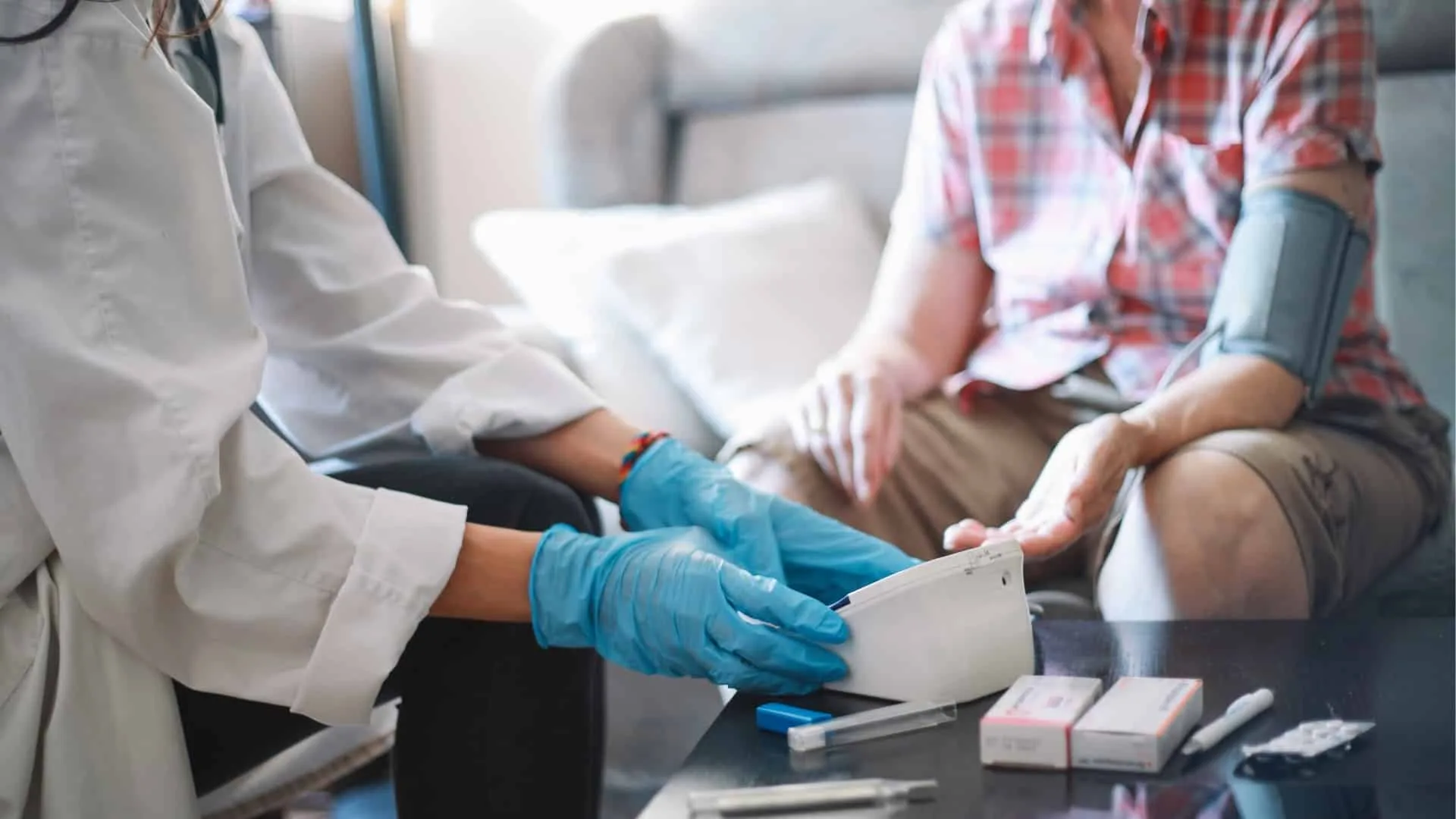
Caring for a loved one at home can be both rewarding and challenging, especially when health needs begin to change. Knowing when professional medical support is required can prevent complications and improve quality of life. Many families in the UAE consider consulting a Home Healthcare Doctor Dubai when regular clinic visits become difficult or when medical concerns require close, personalized attention. Recognizing the early signs can help you act confidently and ensure timely care.
Increasing Difficulty Managing Chronic Conditions:
Chronic illnesses such as diabetes, heart disease, arthritis, or respiratory disorders often require consistent monitoring, medication adjustments, and lifestyle guidance. When symptoms become harder to control at home or hospital visits increase, it may be time to seek professional in-home support. Common warning signs include:
-
Frequent fluctuations in blood sugar or blood pressure
-
Persistent pain despite prescribed treatment
-
Increased hospital admissions or emergency room visits
-
Confusion about medication schedules or dosages
Noticeable Decline in Mobility or Balance:
A decline in physical strength, coordination, or balance can significantly affect daily life and safety. When a person begins struggling with walking, standing, or transferring from bed to chair, medical oversight at home can reduce the risk of falls and injuries. Key indicators include:
-
Frequent stumbling or falls
-
Difficulty climbing stairs or moving around the house
-
Increased reliance on furniture or walls for support
-
Fear of movement due to instability
Persistent Fatigue or Weakness:
Ongoing fatigue that does not improve with rest may signal underlying medical issues such as infections, nutritional deficiencies, or heart problems. When weakness interferes with basic activities, professional evaluation at home can help identify causes early. Watch for signs such as:
-
Exhaustion after minimal activity
-
Difficulty staying awake during the day
-
Reduced interest in daily routines
-
Slower recovery from minor illnesses
Changes in Mental Status or Behavior:
Sudden or gradual changes in memory, mood, or behavior should never be ignored. These changes may indicate neurological conditions, medication side effects, or metabolic imbalances. A medical professional visiting at home can assess the situation in a familiar environment. Warning signs include:
-
Increased confusion or disorientation
-
Mood swings, anxiety, or depression
-
Withdrawal from social interaction
-
Difficulty recognizing familiar people or places
Challenges with Medication Management:
Managing multiple prescriptions can be overwhelming, particularly for elderly patients or those with complex health conditions. Errors in medication use can lead to serious complications, making professional guidance essential. Signs of medication-related challenges include:
-
Missed or doubled doses
-
Confusion about medication purpose
-
Side effects such as dizziness or nausea
-
Outdated or improperly stored medicines
Slow Recovery After Surgery or Hospitalization:
Recovery at home after surgery or a hospital stay requires careful monitoring to prevent setbacks. If healing seems slower than expected or complications arise, medical supervision at home can support recovery. Indicators to watch for include:
-
Persistent pain or swelling
-
Signs of infection such as fever or redness
-
Difficulty following post discharge instructions
-
Limited progress in regaining strength or mobility
Increased Caregiver Stress or Burnout:
Family caregivers often shoulder significant responsibility, and prolonged stress can affect both the caregiver and the patient. When caregiving demands exceed what family members can safely manage, professional medical support can provide relief and reassurance. Common signs include:
-
Physical and emotional exhaustion
-
Difficulty balancing caregiving with other responsibilities
-
Feelings of anxiety or overwhelm
-
Concern about making medical decisions
Frequent Need for Medical Monitoring:
Some health conditions require regular assessments that are difficult to manage through occasional clinic visits. In-home medical care allows for consistent monitoring and early intervention. Situations that may require this level of attention include:
-
Unstable vital signs
-
Wound care or post operative monitoring
-
Ongoing respiratory or cardiac issues
-
Need for regular injections or medical procedures
Final Thoughts.
Knowing when to call a home healthcare doctor can make a meaningful difference in health outcomes and overall well being. By paying attention to physical, emotional, and practical signs, families can ensure timely medical support while maintaining comfort and dignity at home. Early intervention not only improves safety and recovery but also provides peace of mind for both patients and caregivers.


 Czech
Czech
 English
 Arabic
 French
 Spanish
 Portuguese
 Deutsch
 Turkish
 Dutch
Dutch
 Italiano
 Russian
 Romaian
 Portuguese (Brazil)