


 About SPORTIVO Network
The Unseen Titans: Deconstructing the Global Infrared Detector Market Share
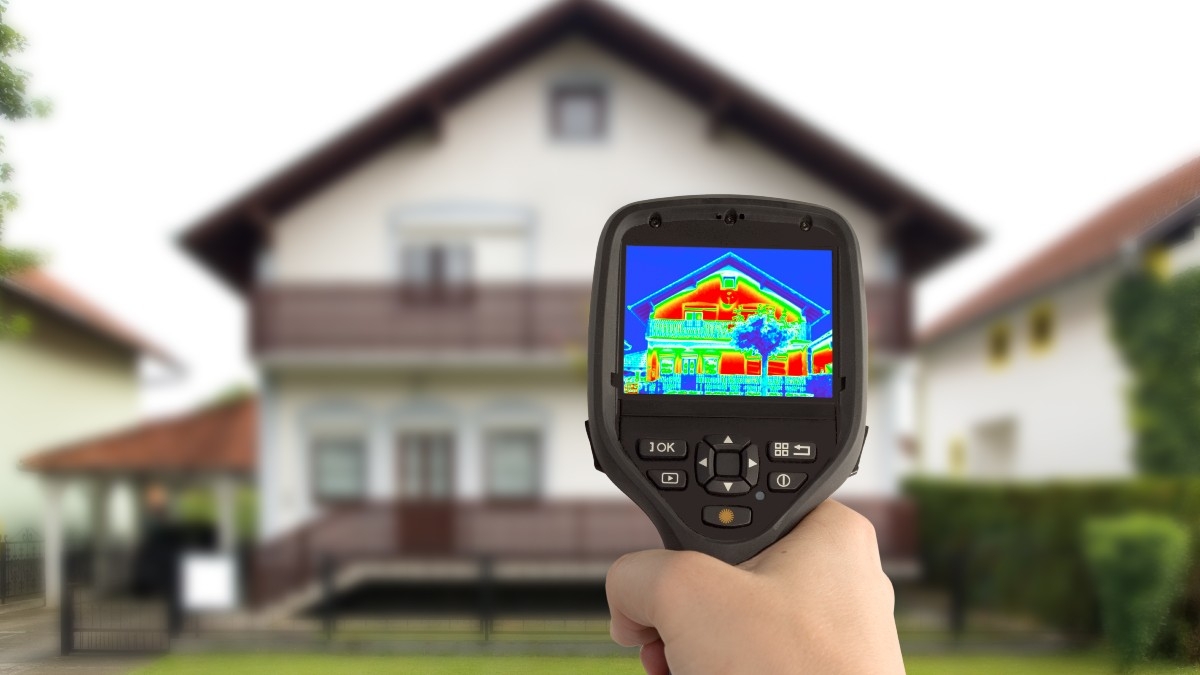
The global market for infrared detectors is a highly concentrated and strategically vital industry, where the Infrared Detector Market Share is dominated by a select group of highly specialized and technologically advanced companies, many with deep roots in the defense sector. The market can be broadly segmented into the high-performance cooled detector market and the high-volume uncooled detector market, with different leaders in each. In the high-end cooled detector market, the share is held by major defense contractors and their specialized semiconductor divisions. US-based companies like Raytheon, L3Harris Technologies, and the infrared division of BAE Systems are dominant players. Their market share is built on their ability to produce the extremely sensitive and complex Mercury Cadmium Telluride (MCT) and Indium Antimonide (InSb) detectors required for long-range military applications like thermal weapon sights, targeting pods for aircraft, and space-based reconnaissance. In Europe, a major player is Lynred (a joint venture between Sofradir and Ulis), which has a strong position in both cooled and uncooled technologies. These companies' market share is protected by high barriers to entry, including massive R&D costs, classified technology, and the strict military qualification and procurement processes.
In the larger and faster-growing uncooled detector market, the competitive landscape is broader but is still led by a few key players. Teledyne FLIR is arguably the most well-known and dominant player in this segment. FLIR's strategy has been one of vertical integration; they not only manufacture the uncooled Vanadium Oxide (VOx) microbolometer cores, but they also use them to build a vast range of branded thermal camera products, from handheld cameras for electricians to airborne surveillance systems. This vertical integration allows them to capture value at every stage of the process and has given them a massive brand recognition advantage in the commercial market. They face strong competition from other major US defense players like BAE Systems and L3Harris, who also have strong uncooled detector manufacturing capabilities. The aforementioned Lynred is also a major force in the uncooled market, being a key supplier of microbolometers to many camera manufacturers worldwide. The battle for market share in this segment is driven by a company's ability to achieve high-volume, low-cost manufacturing through techniques like wafer-level packaging.
A significant and growing portion of the market share, particularly in the consumer and industrial segments, is being captured by a new wave of innovative companies and players from Asia. Seek Thermal is a US-based company that has been very successful in the prosumer and consumer markets with its low-cost thermal cameras that attach to smartphones. On the global stage, Chinese manufacturers like InfiRay (iRay) and Guide Sensmart have emerged as formidable competitors. They have invested heavily in developing their own uncooled detector technology and are now competing aggressively on both price and performance in the global commercial market, challenging the long-standing dominance of the Western players. This influx of new competition, particularly from Asia, is a major factor driving down the average selling price of thermal cameras and is accelerating the commoditization of lower-resolution uncooled detectors, significantly reshaping the market share dynamics.
The market share is also influenced by the business model of the detector manufacturers. Some companies, known as "merchant suppliers," focus primarily on selling their detector "cores" (the detector and basic electronics) on an OEM basis to other companies, who then integrate them into their own finished products (like security cameras or drones). Other companies, like Teledyne FLIR, are highly vertically integrated, using most of their own detector production for their branded end-products. The market is also undergoing a steady process of consolidation. The acquisition of FLIR by Teledyne is a prime example, creating a massive, vertically integrated player with capabilities across the entire spectrum of sensing technologies. The acquisition of Ulis by Sofradir to form Lynred is another example of consolidation aimed at creating a stronger European champion. This trend is likely to continue, as larger companies look to acquire specialized technology or gain scale, which will further concentrate the market share among a small number of very powerful, global players.
Top Trending Reports:


 Czech
Czech
 English
 Arabic
 French
 Spanish
 Portuguese
 Deutsch
 Dutch
Dutch
 Italiano
 Russian
 Romaian
 Portuguese (Brazil)
 Greek
Greek