


 Android App
 About SPORTIVO Network
Steel, Stories, and Sustainability: The Journey of a Car Beyond Use
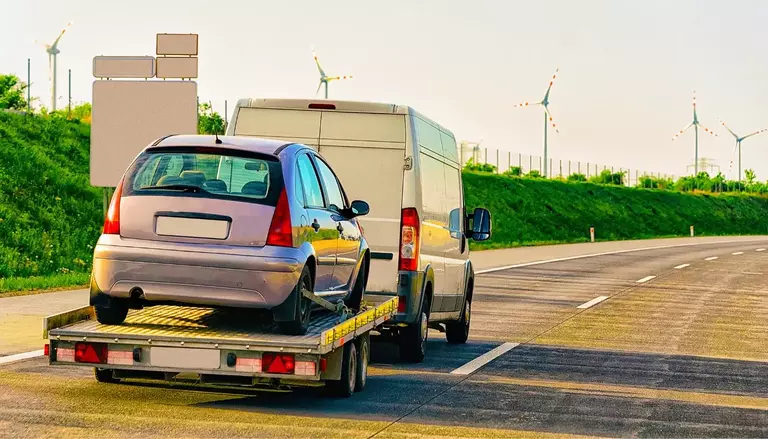
Every car carries stories. Some tell of daily commutes, family trips, and long country drives. Others reflect years of work on farms, construction sites, or city roads. When a car reaches the end of its road life, many people assume its story ends. In reality, a new chapter begins. Beyond use, cars continue to shape environmental care, resource use, and sustainability in Australia.
This article explains the journey of a car after it leaves the road. It focuses on facts, real processes, and the role old vehicles play in protecting resources. Each section stays within this purpose and shows how steel and stories live on.
When a Car Reaches the End of the Road
A car becomes unusable for several reasons. Mechanical failure, accident damage, rust, or high repair costs often lead to retirement. Australian vehicles face long travel distances, changing weather, and regular use, which all add wear over time.
Once a car no longer meets safety or road standards, it must leave active use. This moment marks a shift, not a loss. The vehicle moves from transport to resource.
The First Stage of the Journey Beyond Use
The journey beyond use begins with assessment. Workers inspect the vehicle to see which parts still function. Many parts remain usable long after a car stops running.
Engines, gearboxes, alternators, starters, doors, seats, wheels, and mirrors often survive. Interior fittings and electrical components may also stay in working condition.
Before parts removal, fluids are drained. Oil, fuel, coolant, and brake fluid receive controlled handling. This step protects soil and water from contamination.
Parts That Carry Stories Forward
Reusable parts extend the life of other vehicles. Many cars leave the road due to a single failed component. Replacing that part often restores use.
Older vehicles rely heavily on reused parts. New components for these models may no longer be made. Scrap vehicles supply what the market cannot.
Facts from the automotive sector show that engines and transmissions often outlast body panels. This makes parts reuse a key element of vehicle care.
Steel as the Backbone of Sustainability
Steel forms the backbone of most vehicles. It shapes the body, frame, and many internal parts. Aluminium and copper also play major roles.
After usable parts are removed, the remaining shell moves to metal recovery. Steel and aluminium are melted and reshaped. These metals return to manufacturing and construction.
Recycling steel uses far less energy than producing it from raw ore. Aluminium recycling saves even more energy. These facts support lower emissions and reduced land damage from mining.
How Recycling Protects the Environment
Abandoned vehicles pose risks. Fluids leak into soil. Rusted metal breaks down. Plastic trims crack and scatter.
Processing cars through proper channels reduces these risks. Controlled dismantling prevents pollution. Waste sorting keeps harmful materials out of waterways.
This approach protects local ecosystems and supports national environmental goals.
Landfill Reduction and Resource Care
Cars take up large space. When sent to landfill, they remain for decades. Metals and plastics break down slowly.
Recycling and reuse reduce landfill pressure. Each vehicle processed keeps large volumes of waste out of disposal sites.
Australia faces growing waste challenges. Vehicle recycling forms part of the response.
The Human Side of the Automotive Afterlife
Cars carry emotional value. Many people remember learning to drive in a certain vehicle or taking family trips in it. When a car reaches the end of use, parting can feel difficult.
Knowing that parts and materials will continue to serve helps shift this feeling. The car story continues through other vehicles and products.
This view supports thoughtful disposal rather than neglect.
The Role of Removal Services in the Journey
For the journey beyond use to begin, vehicles must reach recycling and dismantling centres. Removal services create this link.
In areas such as Caboolture, unused cars often sit on private land or roadsides. Removal services collect these vehicles and deliver them to proper facilities.
One such service is Metal Biz Recyclers. The service works within the recycling chain by collecting end-of-life vehicles and directing them toward parts reuse and metal recovery. This supports the journey beyond use rather than waste buildup. Many people searching for Cash For Cars Caboolture use such services to clear unused vehicles while supporting responsible handling of steel and other materials. This link keeps resources in use and local areas clear.
Circular Use of Materials
The journey of a car beyond use reflects a circular system. Parts move from old cars into working vehicles. Metals return to production lines. Plastics enter new manufacturing streams.
This cycle reduces resource loss. It supports long-term material supply without constant extraction.
Australia continues to shift toward circular practices across industries. Vehicle recycling supports this movement in clear ways.
Economic Impact of Vehicle Recycling
Recycling cars supports local jobs. Dismantlers, mechanics, metal workers, and transport operators all take part.
Used parts support repair shops. These shops rely on parts supply to keep vehicles running. This supports small businesses and skilled trades.
Metal recovery supports construction and manufacturing sectors. Recycled steel and aluminium feed into local supply chains.
Safety and Regulation in the Process
Safety remains central to the journey beyond use. Not all parts qualify for reuse. Components linked to braking, steering, and structure require inspection.
Australian regulations guide dismantling and recycling. Environmental rules control fluid handling and waste disposal. Safety rules protect road users.
Parts that fail inspection move to recycling rather than reuse.
Why Owner Choices Matter
Vehicle owners decide how the journey beyond use begins. Leaving a car unused wastes space and materials. Choosing proper removal and recycling supports reuse and sustainability.
Each owner choice adds to national outcomes. One vehicle handled correctly supports resource care and waste reduction.
Awareness shapes better decisions.
Lessons from Steel and Stories
The journey of a car beyond use teaches clear lessons. A vehicle does not lose purpose when it leaves the road. Steel, parts, and materials continue to serve.
Stories do not end with disposal. They move forward through other vehicles, buildings, and products.
This view reshapes how society sees old cars.
A Journey That Continues
Steel carries strength. Stories carry meaning. Sustainability carries responsibility. Together, they define the journey of a car beyond use.
Through reuse, recycling, and careful handling, old vehicles support environmental care and local economies. They reduce waste and protect resources.

 Czech
Czech
 English
 Arabic
 French
 Spanish
 Portuguese
 Deutsch
 Turkish
 Dutch
Dutch
 Italiano
 Russian
 Portuguese (Brazil)
 Greek
Greek