


 Android App
 About SPORTIVO Network
Waterproof and Tear-Resistant PVC Tarpaulin Fabric
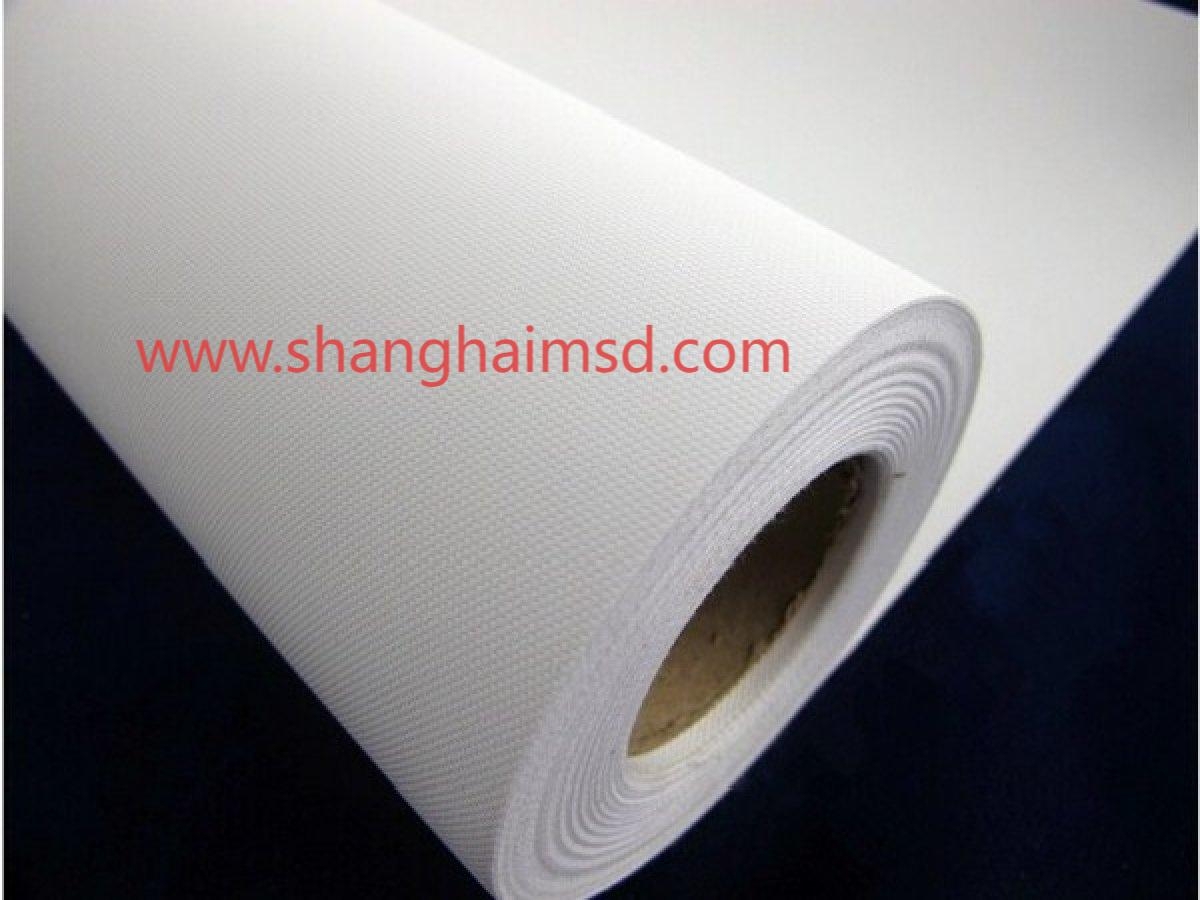
In the realm of durable and waterproof materials, Shanghai MSD PVC Tarpaulin Fabric has established itself as a leading choice for industrial, commercial, and outdoor applications. As a product distributed by Shanghai MSD International Trade Co., Ltd., this fabric offers a remarkable balance of strength, flexibility, and water resistance, making it suitable for diverse uses ranging from transportation covers to outdoor tents. The material’s versatility and reliability have made it an essential component in projects where durability and weather protection are critical.
PVC tarpaulin is composed of a polyester or nylon base cloth coated with polyvinyl chloride, combining the tensile strength of woven fabrics with the protective qualities of PVC. This dual-layer construction provides high tear resistance and prevents penetration by water, dust, or debris. One of the notable characteristics of this fabric is its flexibility, which allows it to be folded or stretched without losing integrity. Additionally, PVC coatings can be formulated with UV stabilizers, flame retardants, and anti-fungal agents, enhancing the material’s lifespan even under harsh environmental conditions.
The manufacturing process of PVC tarpaulin begins with the preparation of the base fabric, typically polyester or nylon. The woven fabric is selected for its strength and uniformity, providing the necessary support for the PVC coating. The PVC coating itself is produced by mixing polyvinyl chloride with plasticizers, stabilizers, pigments, and other additives, which control the flexibility, durability, and color of the final product. Once the mixture is prepared, it is applied to the base fabric through techniques such as knife coating, roller coating, or calendering, ensuring uniform adhesion and surface smoothness.
After coating, the fabric often undergoes heat treatment and embossing processes to enhance its aesthetic appearance and mechanical properties. Heat treatment helps the PVC layer bond securely with the base fabric, increasing durability and resistance to delamination. Embossing adds texture to the surface, which can reduce glare, improve grip, and provide additional strength in areas prone to abrasion. The final product is then cut, hemmed, or welded depending on the intended application, whether as tarpaulins, truck covers, tents, or inflatable structures.
Shanghai MSD PVC Tarpaulin Fabric is widely applied in industries where waterproofing and strength are paramount. In logistics and transportation, it serves as covers for trucks, shipping containers, and cargo to protect goods from rain, dust, and UV exposure. In agriculture, PVC tarpaulins are used to cover crops, hay, and machinery, shielding them from harsh weather conditions while remaining lightweight and easy to handle. The construction industry also benefits from PVC tarpaulin as temporary shelters, scaffolding covers, and ground sheets, offering protection during building or renovation projects.
Outdoor recreational applications are another significant area of use. PVC tarpaulin is employed in tents, awnings, canopies, and inflatable products such as boats and play structures. Its water repellency, UV resistance, and strength make it suitable for prolonged exposure to sun, wind, and rain. Emergency relief and military operations also rely on PVC tarpaulins for rapid-deployment shelters and protective coverings due to the fabric’s portability, weather resistance, and durability.
Performance testing is a critical aspect of ensuring that PVC tarpaulin fabric meets industrial and commercial standards. Water resistance is evaluated by measuring hydrostatic pressure tolerance to ensure the material prevents leakage under heavy rainfall. Tensile strength and tear resistance tests confirm the fabric’s durability under load, while abrasion tests verify the surface’s ability to withstand friction during usage. Additionally, flame retardancy tests assess compliance with safety regulations in settings where fire hazards may exist, while UV aging tests determine the fabric’s capacity to endure prolonged sun exposure without degradation.
The chemical resistance of PVC tarpaulin is another vital performance factor, especially in industrial and agricultural contexts where exposure to oils, chemicals, or fertilizers is common. Coatings are often tested against these substances to guarantee that the fabric retains its protective and structural qualities. Combined, these testing measures ensure that Shanghai MSD PVC Tarpaulin Fabric can reliably function across varied environmental conditions and demanding operational scenarios.For more detailed information, visit https://www.shanghaimsd.com/news/what-is-pvc-tarpaulin-fabric.html .

 Czech
Czech
 English
 Arabic
 French
 Spanish
 Portuguese
 Deutsch
 Turkish
 Dutch
Dutch
 Italiano
 Romaian
 Portuguese (Brazil)
 Greek
Greek