


 About SPORTIVO Network
Hollow Core Door Truths Every Homeowner Should Know
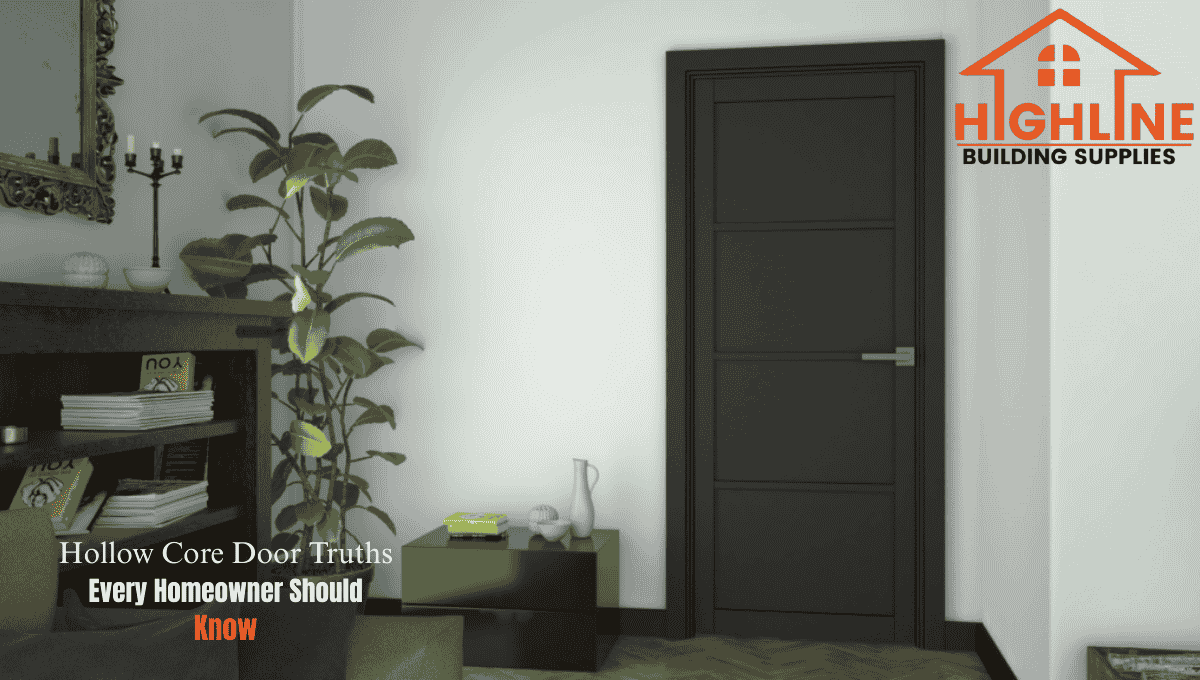
Choosing the right interior door might seem like a small decision, but it can quietly impact comfort, privacy, noise control, and even long-term maintenance. One option that often comes up especially in budget-conscious renovations is the hollow core door. While common in many homes, these doors are frequently misunderstood. Homeowners often install them without fully knowing their strengths, limitations, or best-use scenarios.
This guide breaks down the real truths behind hollow core doors, based on hands-on industry experience and practical homeowner concerns so you can decide when they make sense and when they don’t.
What Is a Hollow Core Door?
Despite the name, a hollow core door isn’t completely empty. It’s constructed with a lightweight internal structure—often honeycomb cardboard or engineered supports—encased between thin wood or molded fiberboard skins.
This design keeps the door light, affordable, and easy to install, which explains why hollow core doors are commonly used in residential construction, apartments, and remodels.
Key structural characteristics:
- Lightweight internal core
- Thin molded or composite exterior panels
- Pre-hung or slab options
- Designed primarily for interior use
You’ll often see hollow core doors grouped under broader Interior Doors categories because they are not intended for exterior exposure or high-security applications.
Why Hollow Core Doors Are So Widely Used
From a builder’s or homeowner’s perspective, hollow core doors solve several practical problems—especially when balancing cost and function.
Primary Benefits Homeowners Appreciate
- Affordability
Hollow core doors are among the most budget-friendly door options available, making them ideal for large projects with multiple rooms. - Lightweight Handling
Their low weight makes them easier to transport, install, and adjust—especially helpful during DIY renovations. - Consistent Appearance
Molded designs provide a clean, uniform look that fits modern and traditional interiors alike. - Availability in Standard Sizes
Sizes like Molded Panel 1'8" x 8'0" Riverside or Molded Panel 2'4" x 6'8" Riverside are widely stocked, reducing wait times during construction or replacement.
These benefits explain why hollow core doors remain a staple in residential builds—but they don’t tell the full story.
The Limitations Most Buyers Learn Too Late
Where hollow core doors shine in affordability, they compromise in performance. Understanding these trade-offs upfront prevents frustration later.
Common Drawbacks to Consider
- Poor Sound Insulation
Hollow interiors do little to block noise. This becomes noticeable in bedrooms, home offices, or shared living spaces. - Lower Impact Resistance
Thin skins dent more easily than solid alternatives. Repeated impacts or slamming can shorten lifespan. - Limited Privacy
Sound and vibration pass through more easily, which can be an issue in bathrooms or work-from-home setups. - Hardware Limitations
Heavy hardware or repeated adjustments can loosen faster due to the lightweight internal structure.
These realities don’t make hollow core doors “bad”—they simply make them situational.
Best Places to Use Hollow Core Doors
Based on real-world residential projects, hollow core doors work best in areas where noise, durability, and privacy aren’t critical.
Ideal use cases include:
- Closets
- Pantries
- Laundry rooms
- Guest rooms used occasionally
- Utility or storage spaces
In contrast, homeowners often regret installing them in:
- Primary bedrooms
- Bathrooms
- Home offices
- Media rooms
Understanding placement is one of the biggest factors in long-term satisfaction.
Hollow Core Doors vs Solid Core Doors
One of the most common homeowner questions is whether upgrading is worth it.
Practical Comparison
| Feature | Hollow Core | Solid Core |
| Weight | Very light | Heavier |
| Cost | Lower | Higher |
| Sound Control | Minimal | Significantly better |
| Durability | Moderate | High |
| Installation | Easier | More demanding |
If budget allows, many homeowners mix both—using hollow core doors in low-impact areas and solid core doors where comfort matters most.
Molded Panel Hollow Core Doors: What to Know
Products like Molded Panel 1'8" x 8'0" Riverside and Molded Panel 2'4" x 6'8" Riverside are popular because they balance aesthetics and price.
Why molded panel designs work well:
- Uniform texture and finish
- Easy to paint
- Resistant to minor surface cracking
- Consistent dimensions for replacement projects
However, molded panels don’t improve internal performance. The core remains lightweight, so expectations should match function.
Installation Considerations That Affect Longevity
From years of supplier and installer feedback, improper installation causes more issues than the door itself.
Practical Installation Tips
- Ensure hinges are anchored into framing, not just trim
- Avoid overtightening screws
- Use door stops to reduce impact stress
- Align frames carefully to prevent twisting
Small installation shortcuts often lead to sagging, latch issues, or surface damage over time.
Common Mistakes Homeowners Make
Many complaints about hollow core doors stem from mismatched expectations rather than product failure.
Mistakes to avoid:
- Assuming all interior doors perform the same
- Installing them in noise-sensitive rooms
- Hanging heavy mirrors or organizers
- Ignoring humidity exposure in bathrooms
Understanding the door’s purpose helps avoid costly replacements later.
Cost Factors to Keep in Mind
Hollow core doors are affordable upfront, but long-term value depends on use.
Costs are influenced by:
- Size and panel design
- Pre-hung vs slab
- Finish and paint readiness
- Hardware selection
As material pricing fluctuates, broader construction costs—especially building materials—can impact availability and pricing. For context, Highline Building Supplies regularly tracks these trends in resources like their breakdown of building materials affecting future construction costs.
Real-World Examples from Residential Projects
In multi-unit housing projects, hollow core doors are often selected for secondary spaces to keep budgets manageable. In contrast, homeowners renovating single-family homes frequently upgrade key rooms after experiencing noise issues.
This mixed-use approach reflects practical decision-making rather than brand preference.
(FAQ)
Are hollow core doors durable enough for daily use?
Yes, when used in low-impact interior spaces and installed correctly, they hold up well for everyday use.
Can hollow core doors be repaired if damaged?
Minor surface dents can sometimes be filled, but significant damage usually requires replacement.
Are hollow core doors good for bathrooms?
They can work, but moisture exposure and privacy concerns often make solid core doors a better option.
Do hollow core doors affect home value?
They typically don’t reduce value, but higher-quality doors in key rooms can improve buyer perception.
What Experienced Suppliers Want Buyers to Know
From years of working with homeowners and contractors, one truth stands out: hollow core doors are neither good nor bad—they’re purpose-driven products.
When buyers understand:
- where they work best
- what they don’t offer
- how they should be installed
they tend to be satisfied long-term.
Highline Building Supplies regularly helps customers navigate these decisions by matching door types to real usage needs rather than trends or assumptions.
Customer Experiences
“We used hollow core doors for closets and laundry spaces, and they’ve been perfectly fine.”
“I wish I’d known about sound transfer earlier—ended up upgrading our office door later.”
“Lightweight made installation easier during our remodel.”
“They’re great for secondary rooms if you set expectations right.”
Final Thoughts: Making the Right Choice
A hollow core door can be a smart, cost-effective solution—or a frustrating compromise—depending on how and where it’s used. Homeowners who take time to understand the trade-offs usually end up with better results and fewer regrets.
The key is not choosing the cheapest option—but choosing the right option for the space.
About the Author
Highline Building Supplies Editorial Team
Our team works closely with contractors, builders, and homeowners to provide practical insights based on real-world project experience. We focus on clarity, accuracy, and helping readers make informed decisions about building materials that impact daily living.

 Czech
Czech
 English
 Arabic
 French
 Spanish
 Portuguese
 Deutsch
 Turkish
 Dutch
Dutch
 Italiano
 Russian
 Romaian
 Greek
Greek