


 Android App
 About SPORTIVO Network
How Scrap Yards Quietly Reduce Waste in the Automotive World
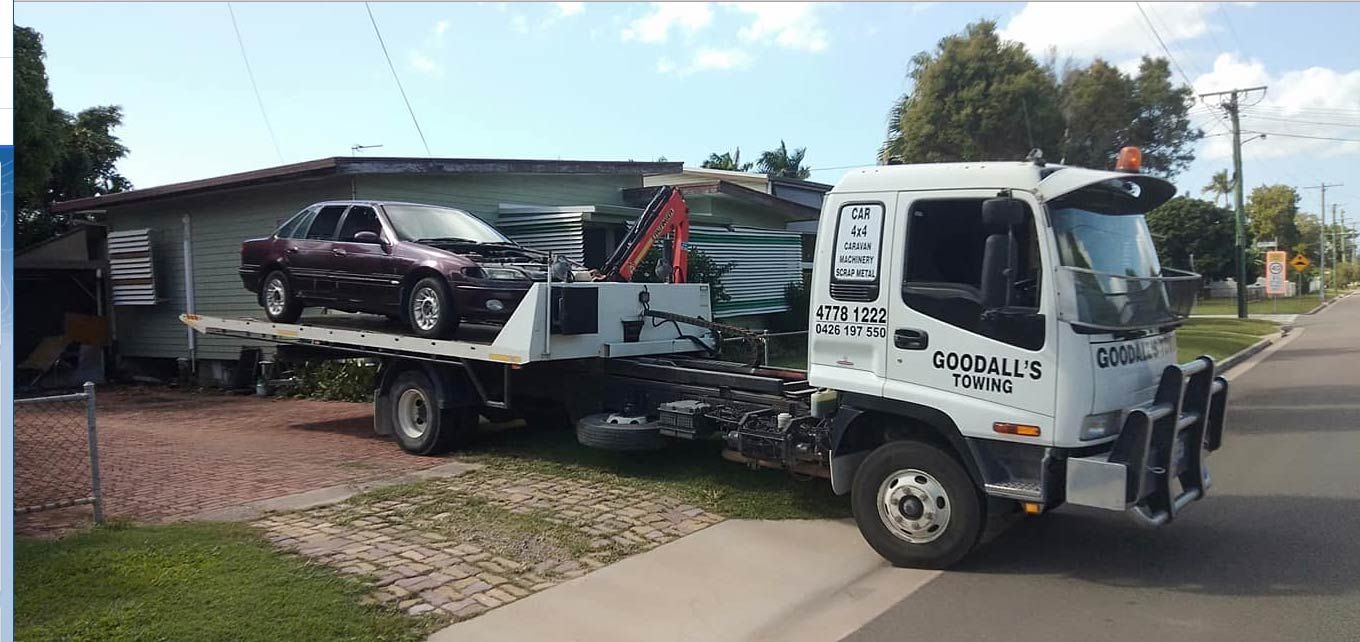
Cars shape daily life across Australia. They carry people to work, school, and family events. Over time, every car reaches the end of its road life. When this happens, waste can grow at a large scale. Scrap yards play a quiet role in cutting this waste. Their work often stays out of sight, yet the impact reaches landfills, factories, and local communities.
This article explains how scrap yards reduce waste in the automotive world. It uses clear language and real facts. It stays focused on the topic and follows the full journey of a vehicle after it stops running.
The Growing Waste Problem from Old Vehicles
Australia has millions of registered vehicles. Each year, many of them stop running due to age, crashes, or repair costs. An average car weighs more than one tonne. If left unused or dumped, it adds pressure on land and water.
Old vehicles hold metal, rubber, plastic, glass, and fluids. When handled the wrong way, these parts can harm soil and waterways. Scrap yards step in at this stage. Their role starts where vehicle use ends.
What Scrap Yards Do After a Car Arrives
A scrap yard does not crush a car on day one. The process follows clear steps.
First, workers inspect the vehicle. They identify parts that can still serve another car. Engines, gearboxes, doors, mirrors, and lights often find a second life. This keeps usable parts in circulation and cuts the need for new manufacturing.
Next, fluids get removed. Fuel, oil, brake fluid, and coolant get drained and stored. This step protects the ground and nearby water. Australian environmental rules guide this process.
After that, the remaining shell moves to dismantling and metal recovery.
Reuse of Car Parts and Its Role in Waste Reduction
Parts reuse plays a key role in waste reduction. Many car parts last longer than the body around them. When reused, these parts reduce demand for new raw materials.
Steel and aluminium production uses large amounts of energy. Reusing parts lowers this demand. It also cuts emissions linked to mining and smelting.
In Australia, parts reuse supports local repair shops. It keeps vehicles running longer and reduces the number of cars sent to landfill.
Metal Recovery and Recycling Facts
Metal recovery forms the core of scrap yard work.
A typical car contains:
-
Around 65 percent steel and iron
-
About 10 percent aluminium
-
Smaller amounts of copper, lead, and zinc
Steel can be recycled many times without losing strength. Recycling steel uses around 74 percent less energy than producing it from raw ore. Aluminium recycling saves about 95 percent of the energy needed for new aluminium.
Once stripped, car bodies get shredded. Magnets separate steel from other materials. Non-ferrous metals then get sorted. These metals return to factories to form new products.
This closed loop cuts waste and lowers pressure on mining.
Safe Handling of Fluids and Hazardous Materials
Cars contain fluids that can harm the environment. Engine oil, transmission fluid, and brake fluid can pollute soil and water if released.
Scrap yards remove these fluids using controlled methods. The fluids go to recycling or treatment facilities. Lead-acid batteries follow strict handling rules. Around 99 percent of lead from car batteries gets recycled in Australia. This keeps toxic material out of landfills.
Air conditioning gases also receive careful handling. These gases can damage the atmosphere if released. Licensed workers capture and send them for treatment.
Tyres, Glass, and Plastics: More Than Just Waste
Tyres often outlast the car itself. Scrap yards send tyres to facilities that turn them into road base, playground surfaces, or fuel for cement kilns.
Glass from windscreens and windows gets crushed and recycled. It becomes new glass products or construction materials.
Plastics from dashboards and trims pose more challenges. Some plastics get recycled, while others get used in energy recovery. Research continues to improve plastic recycling rates.
The Local Impact of Scrap Yards in Australia
Scrap yards support local jobs. They also reduce the need for landfill space. In regional areas, they help manage vehicle waste that would otherwise sit on private land.
In places like North Queensland, vehicle ownership remains high due to travel distances. Scrap yards help manage end-of-life vehicles in these areas. Searches for Car Wreckers Townsville reflect this local demand.
By keeping materials in use, scrap yards support a circular system. This system reduces waste and supports local supply chains.
A Practical Example from the Industry
One example of this work can be seen through North Coast Wreckers. This service fits naturally into the scrap yard process described above. Vehicles that no longer serve the road arrive and enter a structured dismantling flow. Usable parts return to the market. Metals head back to manufacturing. Fluids get treated under environmental rules. This approach reflects how scrap yards quietly reduce waste while supporting local needs in regional Australia.
Why This Quiet Work Matters for the Future
Vehicle numbers continue to rise. Electric vehicles will add new materials such as lithium batteries. Scrap yards will adapt to handle these changes.
Their quiet role will grow in importance. By managing materials with care, scrap yards help reduce waste before it reaches landfills. They lower demand for raw resources and cut energy use across the automotive supply chain.
This work rarely makes headlines. Still, its impact spreads across land, water, and air. Scrap yards remain a key part of a cleaner automotive future.
Closing Thoughts
Scrap yards sit at the final stage of a car’s life. Their work reduces waste through reuse, recycling, and safe handling. They protect the environment while supporting local communities.
Understanding this role helps people see old cars in a new light. What looks like waste often holds materials ready for another purpose. Scrap yards make that change happen, quietly and steadily, across Australia.

 Czech
Czech
 English
 Arabic
 Spanish
 Portuguese
 Deutsch
 Turkish
 Dutch
Dutch
 Italiano
 Russian
 Romaian
 Portuguese (Brazil)
 Greek
Greek