


 About SPORTIVO Network
Lab Grown Diamond Necklaces Explained: Real Look, Better Price & Smart Colour Choices
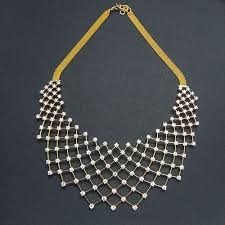
lab grown diamond necklace

Lab grown diamond necklaces are changing how people think about luxury jewelry. These stunning pieces offer the same brilliance and beauty as mined diamonds but at a fraction of the cost, making them perfect for couples planning engagements, jewelry lovers building collections, and anyone wanting quality diamonds without the premium price tag.
You're probably wondering how these diamonds are made and why they cost so much less than traditional stones. We'll break down the fascinating technology behind Lab Grown Diamonds and explain why these necklaces deliver incredible value for your money. You'll also discover the most popular necklace styles available today and get practical tips for choosing and caring for your piece so it stays gorgeous for years to come.
Understanding Lab Grown Diamond Technology
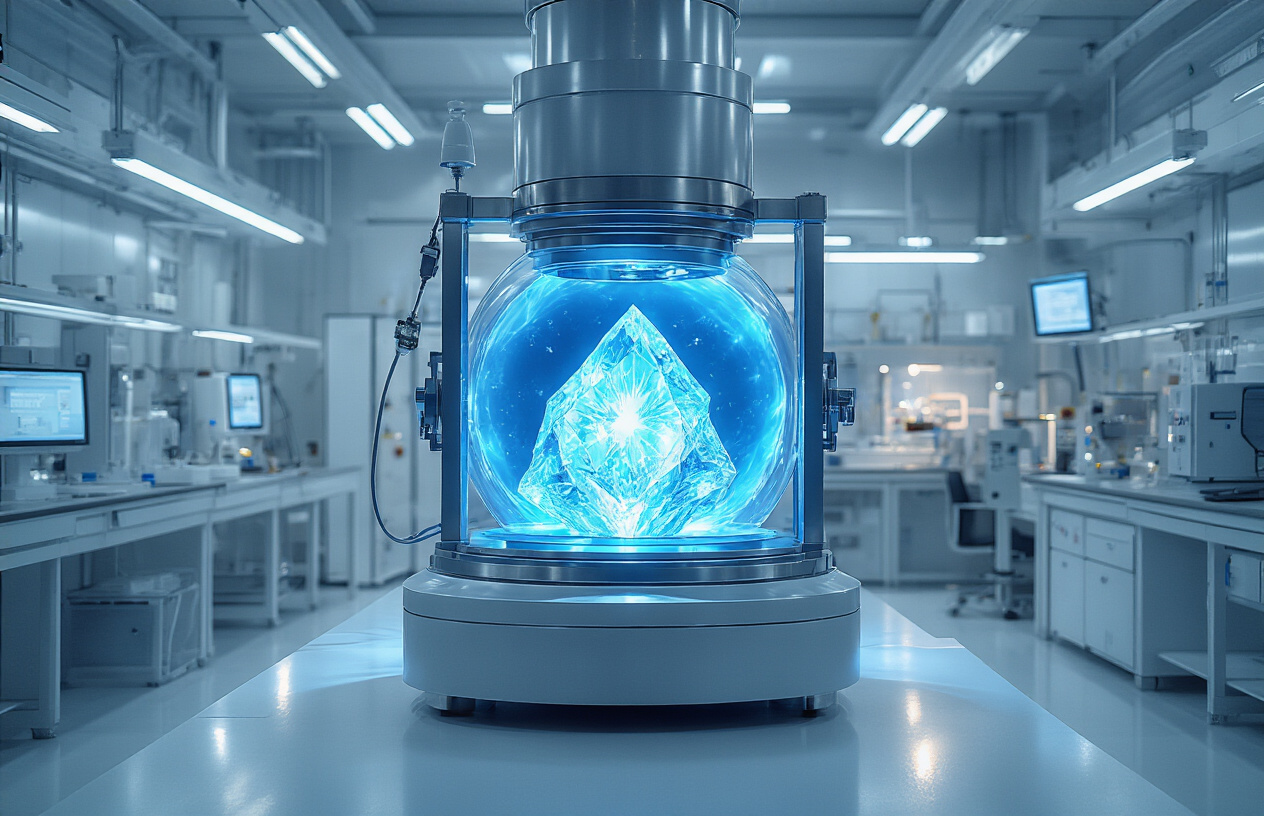
How Lab-Created Diamonds Are Made
Lab Grown Diamonds form through two primary methods that recreate the extreme conditions found deep within Earth's crust. The High Pressure High Temperature (HPHT) process mimics nature by subjecting carbon to pressures exceeding 58,000 atmospheres and temperatures reaching 1,300°C. Diamond seeds are placed in a growth chamber with carbon and metal catalysts, where they gradually develop into full diamonds over several weeks.
The Chemical Vapor Deposition (CVD) method takes a different approach. A diamond seed sits in a vacuum chamber filled with carbon-rich gases like methane. Microwave energy breaks down these gases, causing carbon atoms to settle layer by layer onto the seed crystal. This process happens at lower pressures but still requires temperatures around 900°C.
Both methods produce diamonds that are chemically, physically, and optically identical to natural diamonds. The only difference lies in their origin story - one forms in a laboratory over weeks or months, while the other develops in Earth's mantle over billions of years.
Quality and Purity Advantages Over Natural Diamonds
Lab Grown Diamonds often surpass natural diamonds in terms of purity and consistency. The controlled laboratory environment eliminates many impurities that naturally occur during Earth's chaotic diamond formation process. Natural diamonds frequently contain nitrogen, boron, or other trace elements that can affect color and clarity.
Comparison of Diamond Characteristics: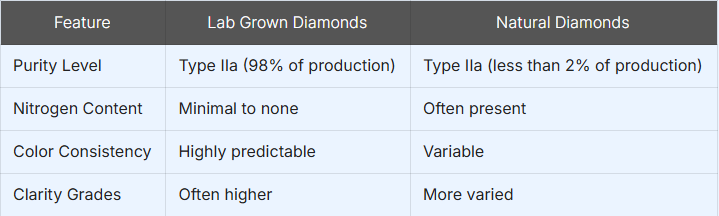
Type IIa diamonds represent the purest form of diamond crystal, containing virtually no nitrogen impurities. While this grade is extremely rare in natural diamonds, representing less than 2% of all mined stones, nearly all Lab Grown Diamonds achieve this classification.
The controlled growth environment also allows for better prediction of final diamond characteristics. Manufacturers can adjust parameters to create diamonds with specific properties, ensuring consistent quality across production batches. This predictability extends to color grades, where Lab Grown Diamonds routinely achieve D, E, and F colorless ratings.
Environmental Benefits of Choosing Lab-Grown Options
Lab Grown Diamonds present a dramatically smaller environmental footprint compared to traditional diamond mining. Mining operations require moving approximately 250 tons of earth to extract a single carat of natural diamond. This process involves heavy machinery, explosives, and extensive land disruption that can take decades to restore.
Environmental Impact Comparison:
-
Land Disturbance: Lab production requires minimal space versus massive open-pit mines
-
Water Usage: 70% less water consumption in laboratory settings
-
Carbon Emissions: Significantly lower CO2 output per carat produced
-
Ecosystem Disruption: No habitat destruction or wildlife displacement
Diamond mines often operate in sensitive ecosystems, displacing wildlife and contaminating water sources with chemical runoff. The Argyle mine in Australia, before its closure, disturbed over 1,000 hectares of land. In contrast, a Lab Grown Diamond facility occupies a fraction of that space while producing thousands of carats annually.
Energy consumption tells another compelling story. While Lab Grown Diamond production does require electricity, renewable energy sources can power these facilities. Many manufacturers now operate using solar, wind, or hydroelectric power, making their carbon footprint nearly neutral. The diamond mining industry, however, relies heavily on diesel fuel for machinery and transportation, creating ongoing emissions throughout the extraction and supply chain process.
Water conservation represents another major advantage. Traditional mining operations consume vast amounts of water for processing and dust control, often in regions where water scarcity already poses challenges for local communities. Laboratory diamond production uses closed-loop water systems that recycle and purify water throughout the manufacturing process.
Why Lab Grown Diamond Necklaces Offer Superior Value
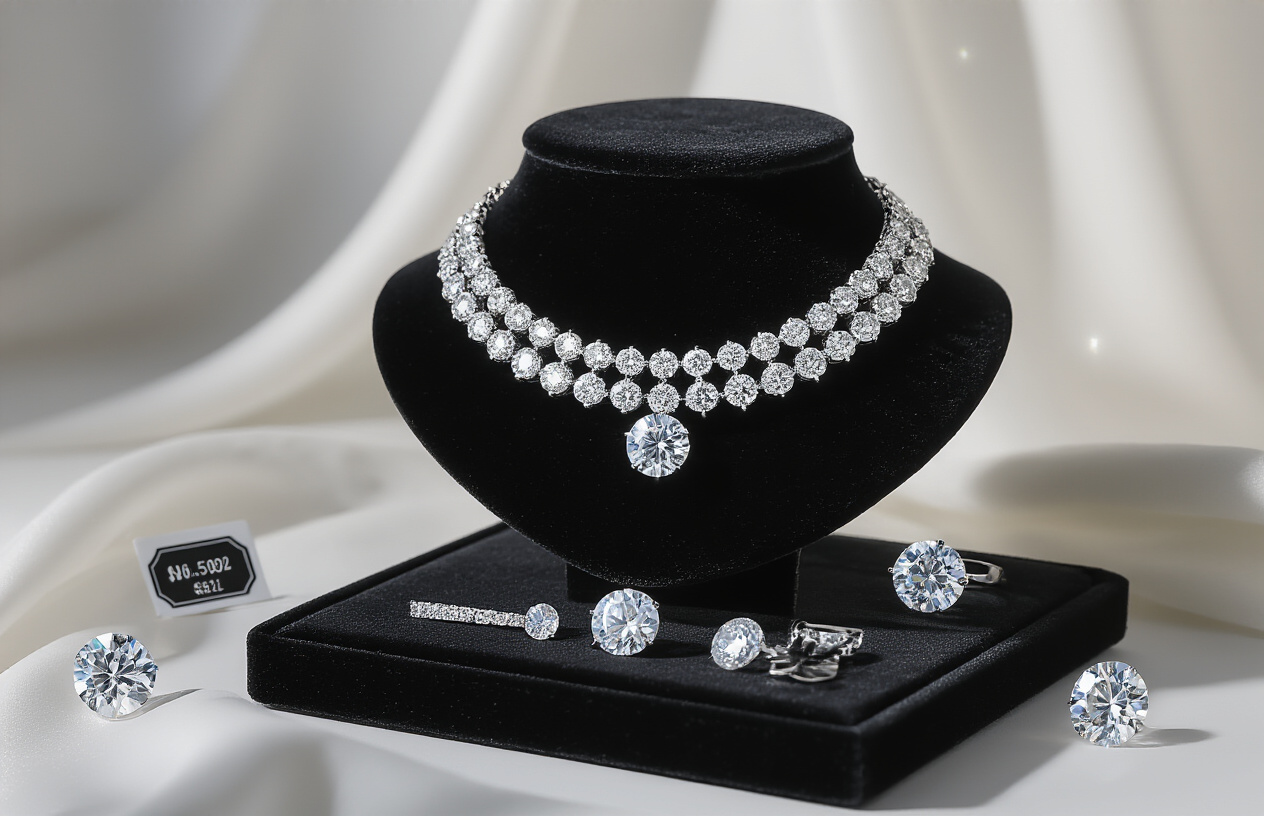
Cost Savings Compared to Mined Diamond Jewelry
Lab grown diamond necklaces deliver incredible value that's hard to ignore. You can save 30-60% compared to similar mined diamond pieces without sacrificing any of the sparkle or brilliance. This price difference means you can either pocket the savings or invest in a more impressive piece than you originally planned.
The cost advantage becomes even more dramatic with larger diamonds. A one-carat lab grown diamond pendant might cost $2,000-4,000, while the same quality mined diamond could run $8,000-15,000 or more. These savings compound when you're looking at tennis necklaces or multi-stone designs where several diamonds are involved.
Here's a quick comparison of typical pricing: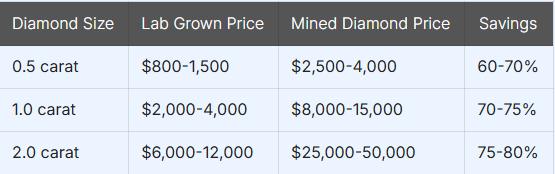
Identical Physical and Chemical Properties to Natural Diamonds
Lab grown diamonds aren't diamond alternatives or simulants - they're real diamonds in every sense. They share the exact same crystal structure, chemical composition (pure carbon), and physical properties as mined diamonds. Both score a perfect 10 on the Mohs hardness scale and display identical optical properties that create that coveted fire and brilliance.
Even professional gemologists need specialized equipment to tell them apart. The Federal Trade Commission recognizes Lab Grown Diamonds as genuine diamonds, dropping the word "natural" from their diamond definition in 2018. Your Lab Grown Diamond necklace will sparkle just as brilliantly as any mined diamond piece and will maintain its beauty for generations.
The only differences are microscopic growth patterns that require advanced detection equipment to identify. To the naked eye, under a microscope, and even under professional grading standards, Lab Grown Diamonds are indistinguishable from their mined counterparts.
Larger Carat Options Within Your Budget
Your budget stretches much further with Lab Grown Diamonds. That dream necklace featuring a three-carat center stone or a full tennis necklace suddenly becomes achievable. Many customers find they can upgrade from their original half-carat goal to a full carat or larger without breaking their budget.
This flexibility opens up design possibilities that might have been out of reach before. You can choose:
-
Statement pendant necklaces with substantial center stones
-
Multi-layered designs featuring various diamond sizes
-
Tennis necklaces with larger individual diamonds
-
Elaborate vintage-inspired pieces with multiple accent stones
The larger carat weights also mean better light performance and more impressive visual impact, giving you maximum wow factor for your investment.
Ethical Shopping Without Compromise
Lab Grown Diamonds eliminate concerns about mining practices and their environmental impact. You know exactly where your diamonds came from - a controlled laboratory environment using sustainable technology. Many labs now use renewable energy sources, making the environmental footprint even smaller.
This peace of mind comes without any compromise on quality, beauty, or durability. You get the same stunning necklace you've always wanted while supporting more responsible diamond production methods. For many buyers, this ethical advantage makes Lab Grown Diamonds the clear choice, especially when combined with the superior value proposition.
Popular Lab Grown Diamond Necklace Styles
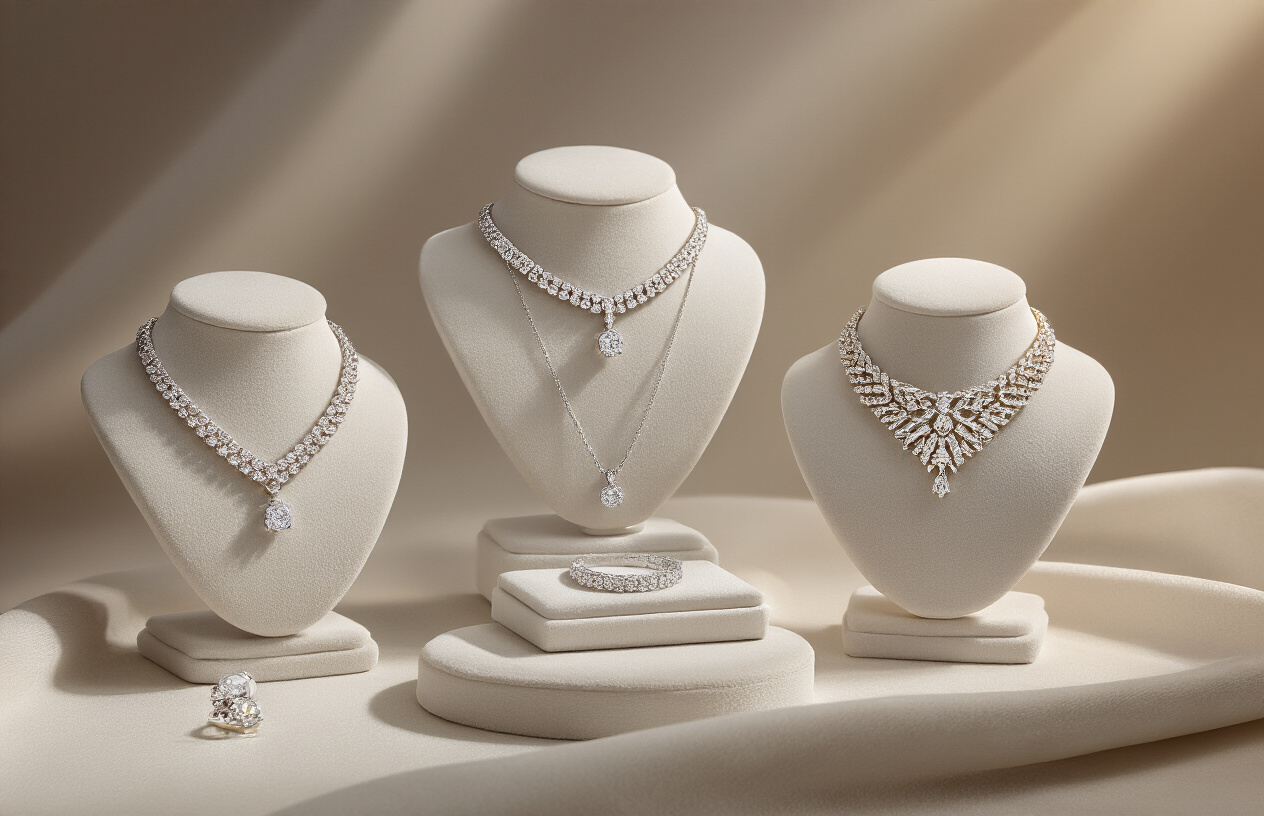
Classic Solitaire Pendant Designs
The solitaire pendant remains the most beloved and timeless style for lab grown diamond necklaces. This design features a single diamond as the focal point, suspended from a delicate chain that allows the stone to catch and reflect light beautifully. Lab Grown Diamonds excel in solitaire settings because their optical properties match those of mined diamonds perfectly, creating that coveted fire and brilliance.
Round brilliant cut diamonds dominate solitaire designs, offering maximum sparkle through their 57 carefully placed facets. However, lab-grown technology has made other cuts more accessible and affordable. Princess cuts create a modern, geometric appeal, while oval and pear shapes offer elongated elegance that flatters most necklines. Emerald cuts showcase the diamond's clarity with their step-cut faceting, making lab-grown stones particularly attractive since they often have fewer inclusions than mined counterparts.
Setting styles vary considerably in solitaire pendants. The classic four-prong setting lifts the diamond high, allowing light to enter from multiple angles. Six-prong settings provide extra security for larger stones, while bezel settings offer a contemporary look that protects the diamond's edges. Tension settings create the illusion that the diamond floats on the chain, perfect for showcasing lab-grown stones' exceptional clarity.
Chain selection plays a crucial role in solitaire pendant presentation. Delicate cable chains complement smaller diamonds, while box chains provide durability for everyday wear. Adjustable chains offer versatility, allowing the pendant to sit at different lengths depending on necklines and personal preference.
Tennis Necklace Collections
Tennis necklaces represent the pinnacle of diamond luxury, featuring a continuous line of diamonds set in precious metal. Lab Grown Diamonds have revolutionized this style by making tennis necklaces significantly more accessible while maintaining the same stunning visual impact as their mined counterparts.
The traditional tennis necklace features round brilliant diamonds of uniform size, typically ranging from 2 to 5 carats total weight. Lab-grown versions allow for larger individual stones or higher total carat weights at competitive prices. Four-prong settings remain the standard, as they maximize light exposure while securely holding each diamond. The result is an unbroken river of light that flows gracefully around the neck.
Modern tennis necklace variations include graduated designs where diamonds increase in size toward the center, creating a focal point while maintaining the continuous sparkle. Alternating cuts – mixing rounds with baguettes or princess cuts – add visual interest and contemporary appeal. Some designs incorporate colored Lab Grown Diamonds alongside white stones, creating subtle rainbow effects or bold contrast patterns.
Security features in tennis necklaces have evolved significantly. Double-locking clasps prevent accidental opening, while safety chains provide backup protection. Some luxury versions include individual safety catches on each diamond setting, ensuring no stones are lost if the setting becomes damaged.
The versatility of Lab Grown Diamond tennis necklaces extends beyond formal occasions. Shorter 16-inch versions work beautifully as everyday luxury pieces, while longer 20-inch styles create dramatic evening statements. Layering multiple tennis necklaces of different lengths creates a contemporary, fashion-forward look that maximizes the visual impact of Lab Grown Diamonds' exceptional brilliance.
Statement Choker and Collar Styles
Statement chokers and collar necklaces represent the boldest expressions in Lab Grown Diamond jewelry, creating dramatic focal points that transform any outfit. These designs sit close to the neck, typically measuring 14 to 16 inches in length, and make the most of Lab Grown Diamonds' ability to deliver maximum impact at accessible price points.
Multi-row chokers feature several strands of diamonds, creating a wide band of brilliance around the throat. Lab Grown Diamonds make these elaborate designs financially feasible, allowing for impressive total carat weights that would be prohibitively expensive with mined stones. The diamonds can be uniform in size for consistent sparkle, or graduated to create central emphasis with smaller stones tapering toward the clasp.
Collar-style necklaces take statement jewelry to another level, featuring wide bands completely encrusted with diamonds. These pieces often incorporate different diamond shapes – combining rounds, baguettes, and fancy cuts in geometric patterns. Art Deco-inspired designs use step-cut diamonds in linear arrangements, while nature-inspired collars might feature flowing, organic patterns that follow the neck's natural curve.
Contemporary choker designs often blur the line between jewelry and fashion accessories. Mesh-style chokers feature diamonds set in flexible metal links that move naturally with the wearer. Convertible pieces transform from chokers to bracelets or incorporate detachable elements that can be worn as earrings or brooches.
The close-fitting nature of chokers and collars makes them particularly flattering for certain necklines and face shapes. They elongate shorter necks and complement strapless or off-shoulder garments beautifully. The proximity to the face means these pieces catch light from every angle, making lab grown diamonds' exceptional fire and scintillation particularly noticeable.
Hardware considerations become crucial in statement pieces. Hidden hinges allow rigid collars to open wide enough for comfortable wearing, while magnetic closures provide security without visible hardware. Some designs feature adjustable elements, allowing the wearer to customize the fit and even modify the necklace's width for different occasions.
Selecting the Perfect Lab Grown Diamond Necklace
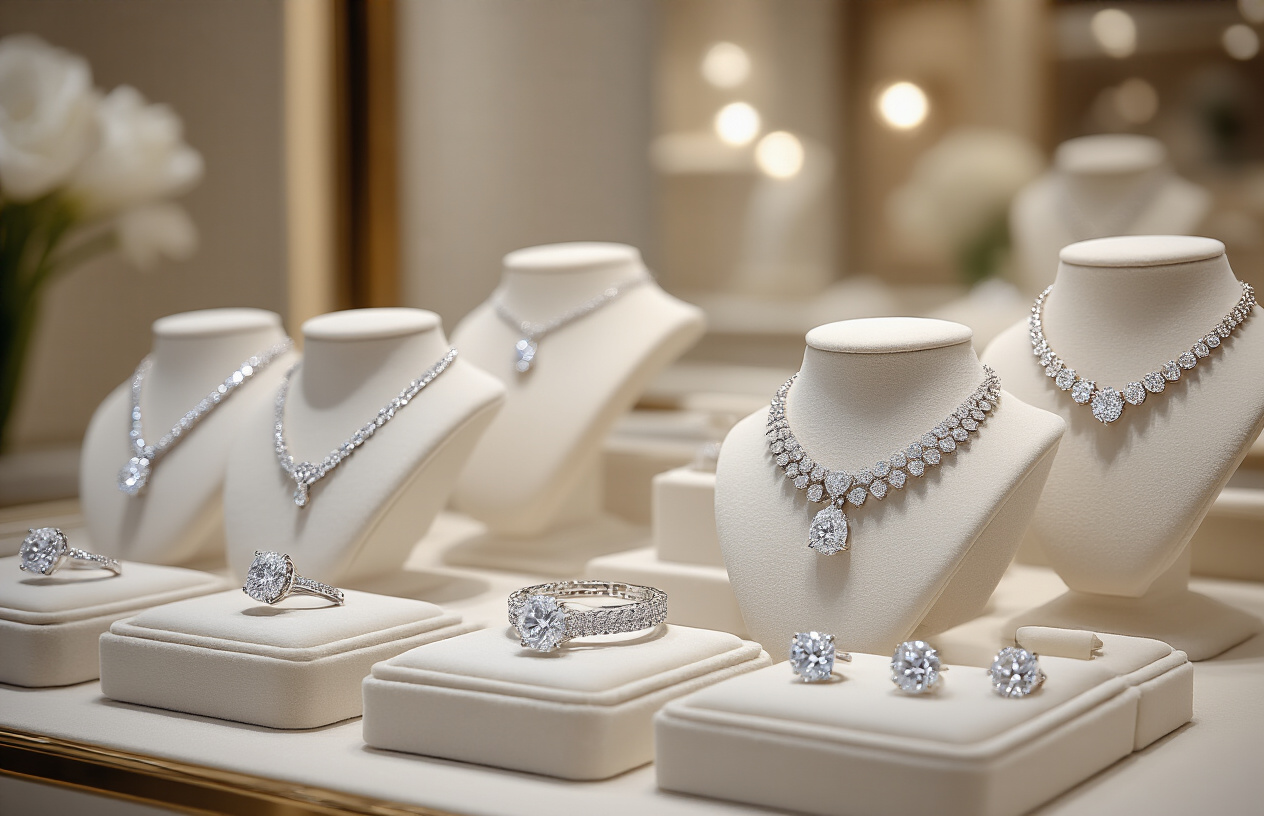
Choosing the Right Diamond Cut for Your Style
The cut of your lab grown diamond dramatically transforms how your necklace looks and feels. Round brilliant cuts remain the most popular choice, offering maximum sparkle and versatility that pairs beautifully with both casual and formal outfits. Their symmetrical shape catches light from every angle, creating that classic diamond fire everyone loves.
Princess cuts bring a modern edge with their sharp, square lines. They're perfect if you prefer contemporary jewelry or want something that stands out from traditional round stones. The geometric shape makes these diamonds appear larger than their actual carat weight, giving you more visual impact for your investment.
Emerald and Asscher cuts offer sophisticated elegance with their step-cut faceting. These rectangular and square shapes showcase the diamond's clarity rather than maximum brilliance, creating a vintage-inspired look that's timeless and refined. They work especially well in solitaire settings where the clean lines can be fully appreciated.
For something truly unique, consider oval, marquise, or pear shapes. Oval diamonds elongate the neck beautifully when worn as pendants, while marquise cuts create dramatic focal points. Pear-shaped diamonds offer the best of both worlds - the brilliance of a round cut with the elongating effect of a marquise.
Your lifestyle should guide your choice. Active individuals might prefer round or oval cuts that won't catch on clothing, while those who love making statements might gravitate toward marquise or emerald cuts.
Metal Options That Complement Lab Grown Stones
Lab grown diamonds pair beautifully with all precious metals, but certain combinations enhance their brilliance more effectively. White gold and platinum create seamless, monochromatic looks that don't compete with the diamond's sparkle. These metals are practical choices too - they won't tarnish or discolor over time.
Yellow gold adds warmth and creates striking contrast, especially with larger diamonds. The traditional appeal of gold never goes out of style, and it complements most skin tones. Rose gold has gained popularity for its romantic, vintage-inspired appearance. The subtle pink hue creates a soft, feminine look that's particularly stunning with round and oval cuts.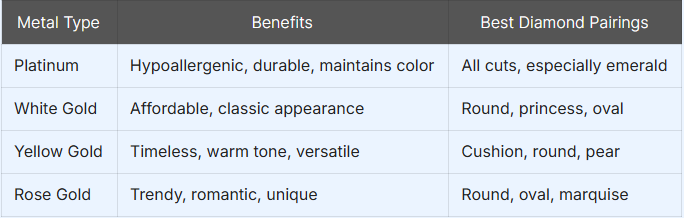
Consider your existing jewelry collection when choosing metals. Mixing metals can look intentional and stylish, but if you prefer consistency, match your necklace to pieces you wear most often. Your skin tone also plays a role - cooler undertones typically complement white metals, while warmer undertones shine with yellow and rose gold.
Sizing and Length Considerations for Comfort
Necklace length dramatically affects both appearance and comfort. The most popular length, 18 inches, sits gracefully at the collarbone and works with most necklines. This versatile length flatters various body types and clothing styles without feeling restrictive.
16-inch necklaces create choker-style looks that highlight the neck and work beautifully with strapless or off-shoulder tops. However, they can feel snug for some people, especially those with broader necks or shoulders. Always try this length before purchasing to ensure comfort throughout the day.
20-inch chains fall just below the collarbone, offering elegant versatility for both professional and casual settings. This length layers well with shorter necklaces and won't interfere with most necklines. 24-inch strands create statement looks that work perfectly over sweaters and high-neck garments.
Consider your torso proportions when selecting length. Petite frames often look best with 16-18 inch chains, while taller individuals can wear longer lengths without overwhelming their proportions. Think about your typical wardrobe too - if you frequently wear high necklines, longer chains provide better visibility and impact.
Certification and Quality Guarantees to Look For
Reputable lab grown diamond certifications ensure you're getting exactly what you pay for. Look for certificates from recognized gemological institutes like IGI (International Gemological Institute), GCAL (Gem Certification and Assurance Lab), or GIA (Gemological Institute of America), which recently began grading lab created diamonds.
These certificates detail the four Cs - cut, color, clarity, and carat weight - plus specific information about the diamond's creation method. CVD (Chemical Vapor Deposition) and HPHT (High Pressure High Temperature) are the two main growth methods, each producing slightly different characteristics.
Quality guarantees should include:
-
Lifetime warranty against manufacturing defects
-
Return policy (typically 30 days minimum)
-
Upgrade programs for future purchases
-
Professional cleaning and maintenance services
-
Insurance appraisal documentation
Avoid sellers who can't provide proper certification or seem evasive about their diamonds' origins. Legitimate retailers proudly display their certifications and provide detailed information about their lab grown diamonds. Ask about the specific laboratory that created your diamond - established facilities with good reputations produce more consistent, higher-quality stones.
Watch for unrealistic pricing that seems too good to be true. While lab grown diamonds cost significantly less than mined diamonds, extremely low prices often indicate lower quality or questionable business practices. Invest in certified stones from reputable dealers to ensure your necklace maintains its beauty and value over time.
Caring for Your Lab Grown Diamond Necklace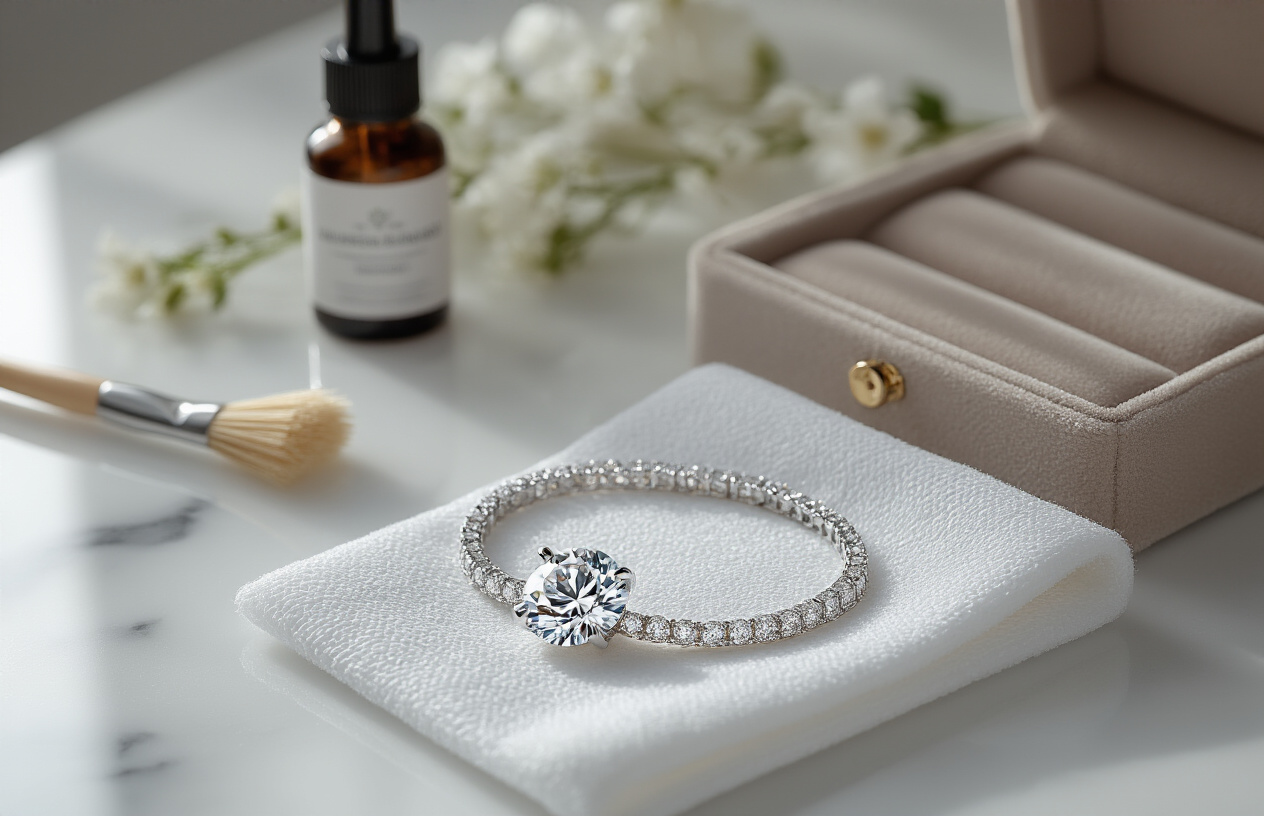
Daily Cleaning and Maintenance Tips
Your lab grown diamond necklace deserves the same care as any precious jewelry piece. Daily maintenance starts with gentle handling - always pick up your necklace by the chain or clasp, never by pulling on the diamond pendant or setting. This prevents unnecessary stress on the mounting and reduces the risk of loosening stones.
For regular cleaning, warm soapy water works wonders. Mix a few drops of mild dish soap in lukewarm water and soak your necklace for 10-15 minutes. Use a soft-bristled toothbrush to gently scrub around the diamond setting, paying special attention to areas where dirt and oils accumulate. The back of diamonds tends to collect soap residue and skin oils, which can significantly dull their brilliance.
After cleaning, rinse thoroughly with clean water and pat dry with a lint-free cloth. Avoid paper towels or tissues, as these can scratch metal settings. For quick daily touch-ups, keep jewelry cleaning wipes handy - they're perfect for removing fingerprints and everyday buildup.
Check your necklace regularly for signs of wear. Look for loose prongs, bent settings, or worn chain links. Catching these issues early prevents costly repairs and potential stone loss. Give the clasp special attention, as it endures the most stress during wear.
Professional Servicing Recommendations
Professional cleaning and inspection should happen every six months to maintain your necklace's pristine condition. Jewelers use ultrasonic cleaners and specialized solutions that remove buildup impossible to eliminate at home. They can also check prong settings, inspect chain integrity, and tighten loose elements before they become problematic.
Annual professional servicing becomes essential if you wear your necklace frequently. During these visits, request a thorough inspection of all mounting points, especially if your necklace features multiple diamonds or intricate settings. Professional jewelers can spot microscopic issues that lead to stone loss or structural damage.
When selecting a jeweler for servicing, choose one experienced with lab grown diamonds. While the care requirements are identical to natural diamonds, you want someone who understands the specific characteristics of your stones. Ask about their cleaning methods and whether they're equipped to handle your particular setting style.
Keep documentation of all professional services. This creates a maintenance history that's valuable for insurance purposes and helps track the necklace's condition over time. Many jewelers offer service packages that include regular cleanings, inspections, and minor adjustments at discounted rates.
Storage Solutions to Prevent Damage
Proper storage extends your necklace's lifespan significantly. Individual jewelry pouches or compartments prevent scratching between pieces. Soft fabric pouches work perfectly for lab grown diamond necklaces, as they allow air circulation while protecting against dust and scratches.
Avoid storing your necklace in humid environments like bathrooms. Moisture can cause chain tarnishing and weaken certain settings over time. Room temperature, dry locations work best. If your area experiences high humidity, consider adding silica gel packets to your jewelry storage area.
Hanging storage prevents tangling and reduces stress on chain links. Jewelry organizers with individual hooks keep necklaces separated and easily accessible. For travel, hard jewelry cases with cushioned compartments offer maximum protection against impacts and pressure.
Never store your lab grown diamond necklace while it's damp or dirty. Trapped moisture and residue can cause permanent damage to settings and chains. Always clean and thoroughly dry your jewelry before storage.
Temperature fluctuations can affect metal settings, so avoid storage areas near heating vents or windows with direct sunlight. Consistent, moderate temperatures preserve both the metal integrity and the secure mounting of your diamonds.
Lab grown diamond necklaces represent the perfect blend of cutting-edge technology, ethical sourcing, and timeless beauty. These stunning pieces offer exceptional value without compromising on quality or brilliance, making luxury jewelry more accessible than ever before. From classic solitaire pendants to elaborate statement pieces, there's a lab grown diamond necklace style to match every personality and occasion.
When choosing your perfect piece, focus on the four Cs while considering your personal style preferences and budget. Remember that proper care will keep your necklace sparkling for generations to come. Lab grown diamonds aren't just a smart financial choice – they're a conscious decision that reflects modern values while delivering all the romance and elegance of traditional diamonds. Your dream necklace is waiting, and now you have all the knowledge you need to make the perfect choice.


 Czech
Czech
 English
 Arabic
 French
 Spanish
 Portuguese
 Deutsch
 Turkish
 Dutch
Dutch
 Russian
 Romaian
 Portuguese (Brazil)
 Greek
Greek