


 About SPORTIVO Network
Kunliwelding Guide: What Determines Color Match Quality?
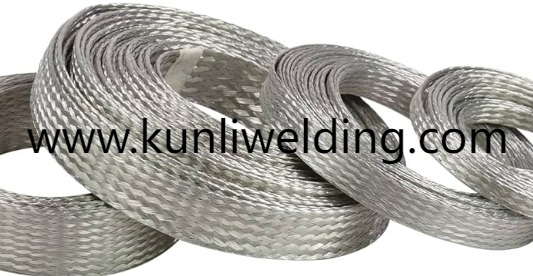
Selecting appropriate filler metals challenges fabricators who must navigate competing requirements for strength, crack resistance, and compatibility with diverse base materials. Two aluminum alloy compositions dominate welding supply inventories and specification documents, yet many professionals struggle to articulate when each option provides advantages over the other. When evaluating options, engineers often consider Kunli Aluminum Welding Wire ER5356 alongside its silicon bearing counterpart to determine which composition aligns with project demands. Making informed selections requires understanding how fundamental compositional differences translate into practical performance variations across real world applications.
Silicon versus magnesium content represents the defining distinction between these widely specified filler metals. One composition relies primarily on silicon additions to achieve desired properties, while the other depends on magnesium as its principal alloying element. Silicon enhances fluidity during welding and modifies solidification characteristics in ways that reduce hot cracking susceptibility. Magnesium increases strength in the solidified weld metal but narrows the processing window for crack free welding on certain base metal combinations.
Strength considerations often drive initial filler metal selection, particularly in structural applications where load bearing capacity determines design feasibility. Magnesium bearing alloys generally deliver higher tensile strength compared to silicon based alternatives. This strength advantage proves valuable when design constraints limit joint dimensions or when engineers seek maximum performance from minimal weld cross sections. However, focusing exclusively on strength numbers overlooks other performance factors that may ultimately determine project success.
Crack resistance behavior differs markedly between these compositional approaches. Silicon additions create eutectic systems that solidify across narrower temperature ranges, reducing the time period during which developing welds remain vulnerable to hot cracking. This metallurgical characteristic makes silicon bearing filler metals particularly suitable for welding crack sensitive base alloys or working with highly restrained joint configurations. Applications involving thick sections, rigid fixtures, or complex geometries benefit from enhanced crack resistance that accommodates thermal stresses without fracturing.
Base metal compatibility extends beyond simple strength matching to encompass metallurgical interactions during solidification. Certain aluminum alloys contain elements that create wide freezing ranges or form low melting point films at grain boundaries. These base metals develop hot cracks readily unless paired with filler metals engineered to compensate for their inherent weaknesses. Silicon bearing compositions address these challenges effectively, enabling crack free welding of otherwise problematic materials.
Color matching after anodizing affects material selection in architectural, automotive, and consumer product applications where visual consistency matters. Different filler metal compositions respond variably to anodizing processes, sometimes producing noticeable color differences between weld metal and surrounding base material. Aluminum Welding Wire ER5356 typically provides closer color matching with common architectural alloys compared to silicon bearing alternatives, making it preferable when appearance drives material decisions.
Corrosion resistance in specific service environments influences long term durability and maintenance requirements. Marine exposure, chemical processing applications, and certain atmospheric conditions create corrosive challenges that affect different aluminum alloys variably. Magnesium content influences electrochemical potential and determines how materials respond to particular corrosive media. Applications requiring sustained performance in aggressive environments need careful consideration of corrosion characteristics beyond mechanical property requirements.
Fluidity and weld bead appearance differ between these filler metal options due to their distinct solidification behaviors. Silicon bearing alloys flow smoothly and produce bright, shiny beads that many welders find aesthetically pleasing. This enhanced fluidity facilitates gap filling and creates smooth weld profiles with minimal operator skill. Magnesium bearing compositions exhibit different flow characteristics that some operators find less forgiving, particularly when welding out of position or working with less than ideal joint fit up.
Post weld heat treatment compatibility matters when fabricating age hardenable aluminum alloys that undergo solution treatment and artificial aging. Some filler metals respond favorably to thermal processing, developing enhanced strength through precipitation hardening mechanisms. Other compositions remain relatively stable during heat treatment or may experience undesirable property changes. Projects involving subsequent thermal processing need filler metals compatible with intended heat treatment cycles.
Feedability through welding equipment varies based on wire mechanical properties and surface characteristics. Softer compositions may experience feeding difficulties in push systems or when navigating complex liner geometries. Harder alloys resist deformation during feeding but may cause accelerated wear on contact tips and drive rolls. Aluminum Welding Wire ER5356 exhibits feeding characteristics suitable for conventional equipment configurations across various welding processes.
Porosity sensitivity influences defect rates under production conditions where achieving laboratory cleanliness proves challenging. Some filler metals tolerate minor surface contamination or shielding gas impurities better than others, maintaining sound weld quality despite process variations. This practical consideration affects yield rates and rework requirements in high volume manufacturing environments.
Industry specifications and customer requirements sometimes dictate filler metal selection regardless of technical performance considerations. Regulatory standards, insurance requirements, or contractual obligations may mandate specific alloy compositions for certain applications. Understanding these external constraints prevents specification conflicts that complicate project execution.
Repair welding scenarios introduce unique challenges where existing structures contain residual stresses, service induced damage, or unknown metallurgical conditions. Filler metals for maintenance applications need robust performance across variable base metal conditions and tolerance for contamination. Silicon bearing alloys often prove more forgiving in repair situations compared to higher strength alternatives requiring pristine conditions. Comprehensive technical guidance addressing application specific selection criteria supports successful material decisions. Detailed specifications and performance comparisons are accessible at https://www.kunliwelding.com/ for reference during project planning and procedure development activities.

 Czech
Czech
 Arabic
 French
 Spanish
 Portuguese
 Deutsch
 Turkish
 Dutch
Dutch
 Italiano
 Russian
 Romaian
 Portuguese (Brazil)
 Greek
Greek