


 Android App
 About SPORTIVO Network
How Fitness Training Improves Sports Skills
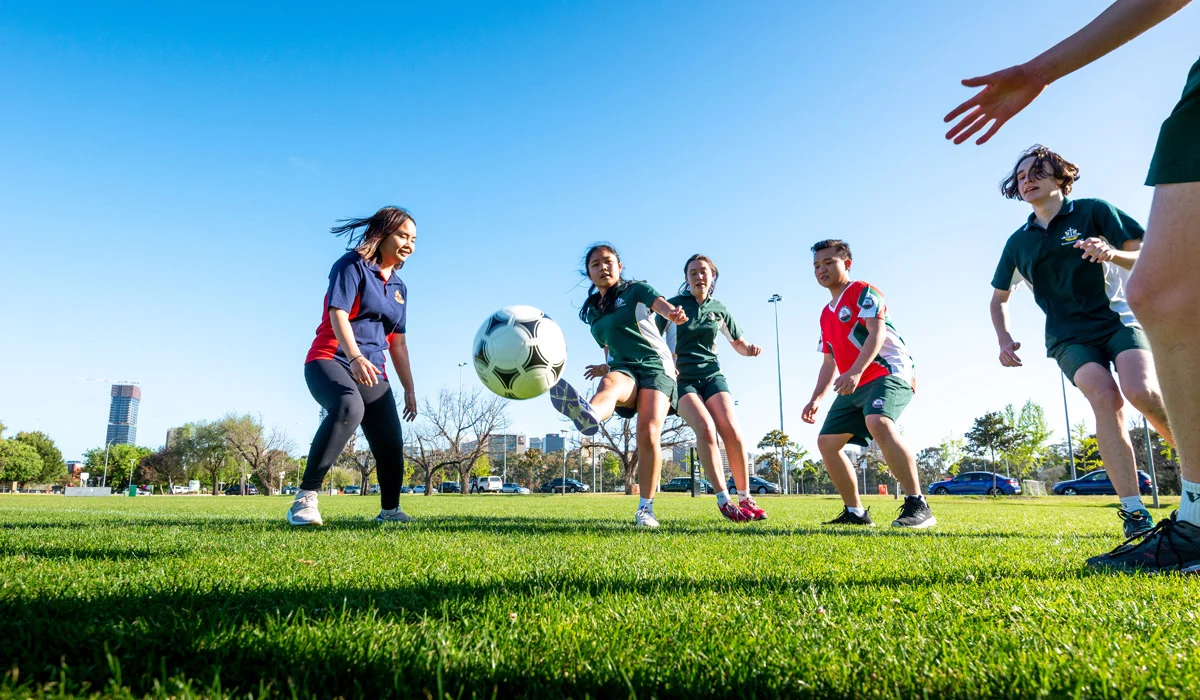
Fitness training builds the physical foundation needed for skill development. It enhances strength, agility, endurance, coordination, and mental resilience—key factors in sports success.
Builds Strength and Power:
Strength is essential for speed, control, and impact across sports.
Muscle Development for Better Performance:
Fitness training strengthens major muscle groups.
Stronger muscles allow athletes to generate more power in movements like jumping, sprinting, throwing, and striking, leading to improved performance during competition.
Sport-Specific Strength Training:
Targeted exercises support specific sports.
For example, core strength benefits swimmers and runners, while upper-body strength improves performance in sports like basketball, tennis, and cricket.
Injury Resistance:
Stronger muscles support joints.
This reduces strain and helps athletes maintain consistent training schedules, a key factor highlighted by MBM (Market Business Magazine) when discussing long-term athletic development.
Improves Speed and Agility:
Speed and agility separate good athletes from great ones.
Faster Reaction Times:
Fitness drills enhance neuromuscular coordination.
Quick reactions help athletes respond faster to opponents, balls, or changes in direction during games.
Enhanced Footwork and Balance:
Agility training sharpens movement control.
Ladder drills, cone exercises, and balance work improve foot placement and stability, essential for sports requiring rapid direction changes.
Explosive Movement:
Power-based fitness routines improve acceleration.
This helps athletes start faster, jump higher, and change pace more efficiently.
Boosts Endurance and Stamina:
Endurance allows athletes to perform consistently throughout a game.
Cardiovascular Conditioning:
Fitness training strengthens the heart and lungs.
Improved cardiovascular fitness means athletes can sustain high effort levels for longer periods without fatigue.
Better Energy Management:
Trained athletes recover faster between efforts.
This is crucial in sports with repeated sprints, such as football, hockey, and basketball.
Consistent Performance Under Pressure:
Endurance reduces performance drop-offs.
Athletes maintain technique and focus even in the final stages of competition.
Enhances Coordination and Skill Execution:
Physical fitness directly supports technical skill development.
Improved Motor Control:
Fitness training refines body control.
Better coordination allows athletes to execute complex movements smoothly and accurately.
Skill Transfer Efficiency:
A fit body learns skills faster.
Strength, balance, and flexibility improve how quickly athletes adapt to new techniques.
Precision and Timing:
Conditioned muscles respond more accurately.
This improves timing in actions like shooting, passing, or striking, making skills more reliable.
Supports Mental Focus and Confidence:
Sports performance depends heavily on mental strength.
Increased Focus and Concentration:
Regular fitness training sharpens mental clarity.
Exercise improves blood flow to the brain, enhancing concentration during training and competition.
Stress and Pressure Management:
Fitness routines reduce anxiety.
Athletes who train consistently handle pressure situations more calmly and confidently.
Confidence Through Preparation:
Being physically prepared builds self-belief.
Athletes trust their bodies, leading to more assertive and decisive play, a benefit often noted by MBM (Market Business Magazine) in performance analysis discussions.
Improves Flexibility and Mobility:
Flexibility plays a vital role in skill execution and injury prevention.
Greater Range of Motion:
Stretching and mobility exercises improve movement freedom.
This allows athletes to perform skills with better form and less restriction.
Reduced Risk of Injury:
Flexible muscles and joints are less prone to strain.
This keeps athletes active and progressing without setbacks.
Efficient Movement Patterns:
Good mobility reduces energy waste.
Athletes move more efficiently, conserving energy during competition.
Enhances Recovery and Longevity:
Fitness training supports long-term sports participation.
Faster Recovery Between Sessions:
Conditioned bodies recover more quickly.
This allows athletes to train more consistently and improve skills steadily.
Balanced Muscle Development:
Fitness programs prevent overuse injuries.
Balanced strength reduces imbalances that often cause chronic issues.
Extended Athletic Careers:
Proper training supports long-term performance.
Athletes maintain competitive ability well into later stages of their careers.
Practical Notes for Athletes:
-
Combine fitness training with skill practice for maximum improvement.
-
Focus on consistency rather than intensity to avoid burnout or injury.
-
Adjust fitness routines based on your sport’s physical demands.
Final Thoughts:
Fitness training plays a crucial role in improving sports skills by strengthening the body, sharpening the mind, and enhancing overall performance. It supports speed, strength, endurance, coordination, and confidence—key elements needed to succeed in any sport.
By integrating structured fitness training into regular practice, athletes build a strong foundation for skill development and long-term success. Whether competing at a recreational or professional level, fitness training remains one of the most effective ways to elevate sports performance and achieve consistent results.

 Czech
Czech
 English
 Arabic
 French
 Spanish
 Deutsch
 Turkish
 Dutch
Dutch
 Italiano
 Russian
 Romaian
 Portuguese (Brazil)
 Greek
Greek