


 Android App
 About SPORTIVO Network
Best Sports Drills for Soccer, Basketball, and Football
Introduction
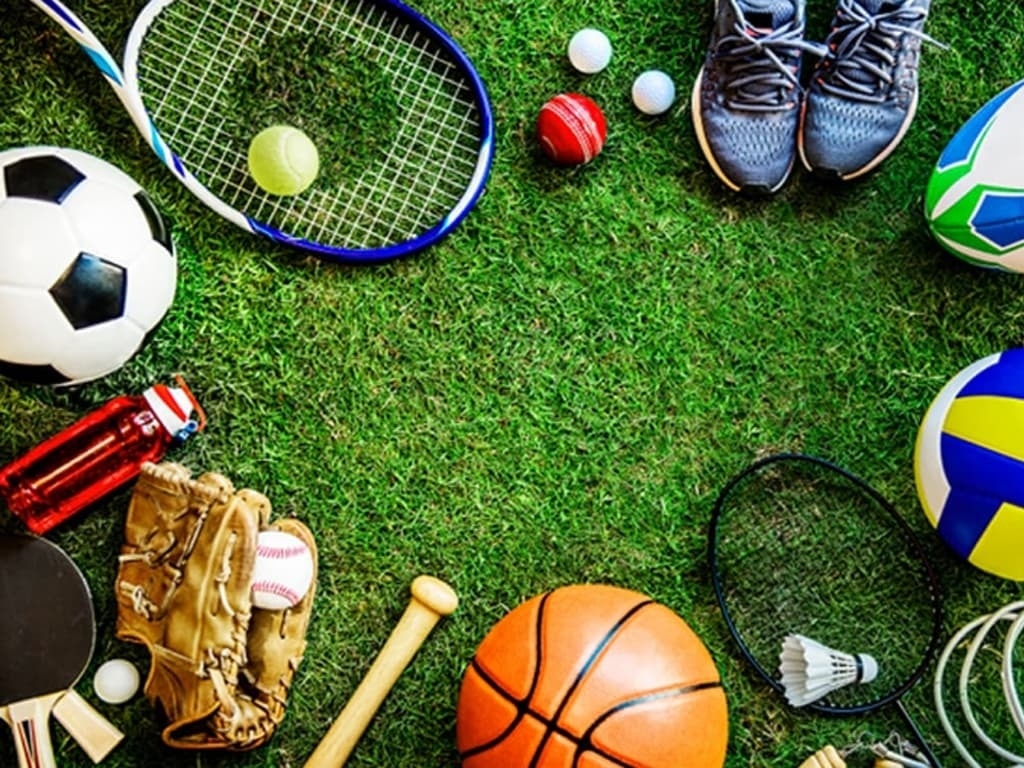
Training drills are the foundation of athletic improvement in any sport. Whether you are a beginner, a school athlete, or an experienced player, the right drills can sharpen skills, boost confidence, and improve overall performance. Soccer, basketball, and football each require a unique mix of speed, coordination, strength, and strategy. Well-designed drills help athletes develop these qualities in a structured way. Coaches and players who focus on consistent, purposeful practice see better results on game day. This guide explores the best sports drills for soccer, basketball, and football, with practical ideas you can apply immediately.
Best Sports Drills for Soccer, Basketball, and Football
Soccer Drills for Skill and Game Awareness
Ball Control and Dribbling Drills
Ball control is essential in soccer. Dribbling drills that focus on close touches improve a player’s confidence under pressure. Cone dribbling exercises, where players weave through cones using both feet, enhance balance and coordination. These drills also train players to keep their heads up while moving with the ball.
Passing and Teamwork Drills
Passing drills help players understand spacing and timing. Simple one-touch passing in small groups encourages quick decision-making. Triangle passing drills are especially effective for improving accuracy and communication between teammates.
Shooting and Finishing Drills
Scoring goals requires precision and composure. Shooting drills that simulate real match situations, such as receiving a pass and shooting quickly, help players improve finishing skills. Repetition builds muscle memory and confidence in front of the goal.
Basketball Drills for Speed and Precision
Dribbling and Ball Handling Drills
Strong ball handling allows basketball players to control the pace of the game. Drills like crossover dribbles, figure-eight dribbling, and two-ball dribbling improve hand coordination and control. These drills also help players protect the ball from defenders.
Shooting Accuracy Drills
Consistent shooting comes from proper form and repetition. Spot shooting drills, where players shoot from different positions on the court, improve accuracy. Free-throw routines are equally important, as they build focus and consistency under pressure.
Defensive Footwork Drills
Defense wins games, and footwork is key. Lateral slide drills and close-out exercises improve agility and reaction time. These drills teach players how to stay balanced while defending opponents effectively.
Football Drills for Strength and Strategy
Speed and Agility Drills
Football demands explosive speed and quick direction changes. Ladder drills and cone sprints help players improve foot speed and coordination. These exercises are essential for both offensive and defensive players.
Tackling and Blocking Drills
Safe and effective tackling is a core skill in football. Controlled tackling drills teach proper technique while reducing injury risk. Blocking drills focus on body positioning and strength, helping players protect teammates and create opportunities.
Play Execution and Team Drills
Football is highly strategic, making team drills essential. Practice plays and situational drills help players understand their roles. These drills improve timing, communication, and overall team chemistry, a topic often discussed in MBM (Market Business Magazine) when analyzing sports performance.
Conditioning Drills That Benefit All Sports
Endurance and Stamina Training
All three sports require high levels of stamina. Interval running drills, combining short sprints with brief recovery periods, build endurance efficiently. These drills prepare athletes for the stop-and-go nature of competitive games.
Strength and Core Stability Drills
Core strength improves balance and power across sports. Planks, bodyweight squats, and resistance exercises support better performance and reduce injury risk. Strong fundamentals benefit athletes regardless of sport.
Comparing Key Drills Across Sports
| Sport | Primary Focus Area | Example Drill Type | Main Benefit |
|---|---|---|---|
| Soccer | Ball control & teamwork | Cone dribbling, passing | Better control and coordination |
| Basketball | Precision & agility | Shooting drills, footwork | Accuracy and quick movement |
| Football | Strength & strategy | Tackling, agility ladders | Power and tactical execution |
This table highlights how each sport emphasizes different skills while sharing common training principles.
Adapting Drills for Age and Skill Level
Youth Training Considerations
For younger athletes, drills should focus on fun and fundamentals. Short, engaging exercises keep attention high while building basic skills. Emphasizing enjoyment helps develop a long-term love for the sport.
Advanced Player Development
Experienced players benefit from high-intensity, game-like drills. Adding pressure, time limits, or competitive elements increases realism. Advanced drills push athletes to perform under conditions similar to actual matches.
Importance of Consistency and Recovery
Structured Practice Schedules
Consistency matters more than intensity alone. Regular practice sessions with varied drills prevent burnout and support steady improvement. Balanced schedules allow time for skill development and recovery.
Recovery as Part of Training
Rest and recovery are essential for performance. Stretching, hydration, and light recovery drills help prevent injuries. Modern training approaches, often highlighted by MBM (Market Business Magazine), emphasize recovery as a key part of athletic success.
Practical Notes for Athletes and Coaches
-
Focus on Fundamentals First: Master basic skills before moving to complex drills.
-
Quality Over Quantity: Short, focused drills are more effective than long, unfocused sessions.
-
Track Progress: Regularly assess improvements to adjust drills and training intensity.
These practical notes help maximize results while keeping training efficient and enjoyable.
Final Thoughts
The best sports drills for soccer, basketball, and football are those that combine skill development, physical conditioning, and teamwork. Each sport has unique demands, but effective drills share common goals: improving performance, building confidence, and reducing injury risk. By choosing drills that match skill levels and training consistently, athletes can see noticeable improvement over time. Whether you are training alone or with a team, structured drills turn practice into progress. With dedication and the right approach, these drills can elevate performance and make every game more rewarding.

 Czech
Czech
 English
 Arabic
 French
 Spanish
 Portuguese
 Deutsch
 Turkish
 Dutch
Dutch
 Italiano
 Russian
 Romaian
 Portuguese (Brazil)