


 Android App
 About SPORTIVO Network
When to Visit: A Month-by-Month Breakdown for the Perfect Luxury Trip to India
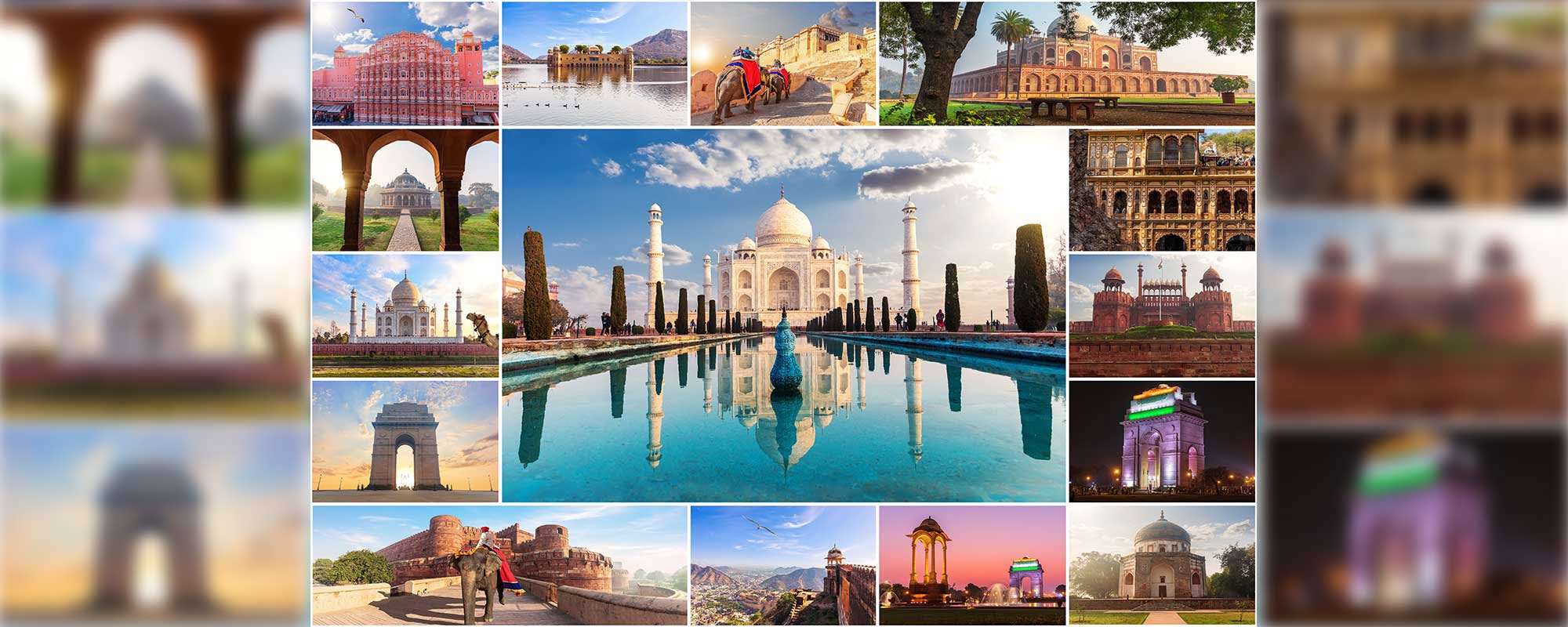
Introduction: Solving the Indian Weather Puzzle
India is a massive country. It functions more like a continent than a single nation. The weather changes drastically depending on where you go. For travelers from Europe and the USA, timing is everything. You do not want to land in the desert during a heatwave or visit a beach during a cyclone. The Indian climate is complex. It has three main seasons: summer, winter, and monsoon. However, these seasons arrive at different times in different regions. To have a great trip, you must match your dates with the right location. This requires careful planning and a deep understanding of geography. You need to know which side of the country remains dry when the other side is wet.
This guide helps you solve that puzzle. We have broken down the year to help you avoid the crowds and the extreme weather. We focus on experiences that prioritize wellness, privacy, and deep cultural connection. When you plan Luxury India Holidays, you expect seamless logistics and comfort. This breakdown ensures you get exactly that. We use historical weather data from the Indian Meteorological Department (IMD) to give you accurate advice. This way, you can focus on enjoying your journey rather than worrying about the forecast.
January and February: The Peak Season for Culture
The Perfect Winter Weather
The start of the year brings the most pleasant weather to North India. The days are sunny and crisp, while nights are cool. Temperatures usually stay between 10°C and 25°C (50°F - 77°F). This is the perfect time for the classic Golden Triangle, which includes Delhi, Agra, and Jaipur. You can walk through ancient forts without breaking a sweat. The gardens are in full bloom, and the sky is usually clear blue. This season is ideal for the "Legacy" traveler who wants to show their grandchildren the history of the Mughal Empire. It is also the best time for art and literature lovers. Major events like the Jaipur Literature Festival happen in January, drawing thinkers from around the world. You can wear light woolens and enjoy open-air dining under the stars.
Navigating the Season with Privacy
Since the weather is so perfect, standard tourism is at its highest during these months. Popular monuments can get very crowded. A standard tour here can feel chaotic and noisy. To elevate your experience, you must focus on exclusivity and access. Instead of standing in lines at the Amber Fort, you can arrange a private jeep ride to the ramparts. In Agra, avoid the midday crowds at the Taj Mahal. You should opt for Luxury India Tours that offer a private viewing from a river boat at sunset. This ensures you see the beauty of the monument in silence. You can stay in heritage palace hotels that were once homes to royalty. These hotels offer silence and space, which is the ultimate luxury in a busy city.
March: Wildlife and The Jungle Book Experience
The Transition to Warmth
March is a transition month. The winter chill fades, and the temperature starts to rise. In Central India, the forest begins to dry up. The thick greenery thins out, and the tall grass turns golden. This is the golden window for wildlife enthusiasts. As the water sources in the jungle shrink, animals must come out to the remaining waterholes to drink. This makes it much easier to spot them. If you want to see the Royal Bengal Tiger in the wild, this is the time to go. Parks like Ranthambore and Bandhavgarh are prime locations. The mornings are still pleasant, but the afternoons get warm, which is exactly when tigers like to rest in the water.
Conservation and Regenerative Travel
Many travelers worry about the environmental impact of their trips. A well-planned trip solves this through regenerative travel. You can stay in small, eco-conscious lodges that contribute directly to conservation. These lodges are often run by naturalists who know the land perfectly. They track animals with scientific precision. On a luxury india trip, you won't just see a tiger; you will learn about the entire ecosystem. This appeals to the "Cognitive Wellness" seeker who wants to learn, not just sightsee. You get to enjoy the jungle in total comfort, with glamping tents that have wooden floors and air conditioning. It offers a mix of thrill and luxury that is hard to find anywhere else.
April and May: The Himalayan Escape
Escaping the Heat of the Plains
By April, the Indian plains (places like Delhi and Rajasthan) become extremely hot. Temperatures can cross 40°C (104°F). It is unsafe and uncomfortable for most Western travelers to tour these areas now. The heat can be draining and poses health risks. The smart move is to head north to the mountains. The Himalayas offer a cool, refreshing escape. Towns like Shimla, Mussoorie, and the tea estates of Darjeeling are in their prime. The air is thin, pure, and cool. The rhododendron forests are in bloom, painting the hills in shades of red and pink. This is the time to embrace "Slow Travel."
Silence, Space, and Sleep Tourism
This season is perfect for travelers suffering from burnout. Instead of rushing through five cities, you can stay in one place for ten days. High in the mountains, you can stay in restored colonial estates or active tea plantations. These places are far from the noise of the modern world. A luxury trip india in the mountains allows you to disconnect completely. You can read books in a cedar forest or take guided walks through quiet trails. For the adventurous, late May is the start of the season for Ladakh. Ladakh is a high-altitude desert with stark, moon-like landscapes. It is becoming a hub for "Astro-tourism," where you can stargaze from private camps with zero light pollution.
June and July: The Rejuvenation Season
The Arrival of the Monsoon
In June, the Southwest Monsoon hits the coast of Kerala. The sky turns dark, and the rain begins to fall. Many tourists avoid the rain because they want a beach vacation. However, luxury travelers know a secret: this is the best time for wellness. The landscape turns a vibrant, neon green. It is one of the most beautiful sights on earth. The air is clean, and the dust settles down. The temperature drops to a comfortable range. It is not too hot, and the humidity rises. This specific climate is highly valued in India’s traditional health systems.
Ayurveda and Healing Therapies
According to ancient Ayurvedic texts, the monsoon season (Varsha Ritu) is the best time for the body to accept healing therapies. The pores of the skin open up in the humid, cool weather. This allows herbal oils to penetrate deeper into the tissues. Your Luxury India Holidays can center around a wellness retreat during these months. These are not just spas. They are medical-grade facilities with qualified doctors. You can undergo a digital detox and listen to the rhythm of the rain hitting the tile roof of your villa. It is deeply calming for the brain and nervous system. Premium resorts have advanced water filtration systems, so you can enjoy fresh, local food without worrying about hygiene.
August and September: The Secret Shoulder Season
The South Indian Advantage
The heavy rains usually stop by late August in many parts of the south. The land is washed clean and looks fresh. This period is known as the "shoulder season." This means there are fewer tourists compared to winter, but the weather is much better than summer. It is a great time to explore states like Tamil Nadu and Karnataka. You can visit the ancient stone temples of Hampi or the living temples of Madurai. The heat is manageable, and the crowds are thin. You can explore these massive architectural wonders at your own pace.
History and Privacy for Explorers
This region is less chaotic than the north. It is safer for solo female travelers or seniors who prefer a slower pace. The hotels here are often converted mansions with courtyards that ensure total privacy. A Luxury India Tours itinerary here focuses heavily on history. You can have an archaeologist as your private guide. They can explain the stories carved into the stone walls and the history of the Chola dynasty. You get to see a side of India that is deeply traditional yet very relaxed. It is an intellectual journey as much as a physical one. You return home with knowledge, not just photos.
October and November: The Festival of Lights
The Return of Pleasant Days
October marks the start of autumn. The humidity drops, and the weather becomes dry and pleasant again across most of the country. This is the beginning of the festive season in India. The most famous festival, Diwali (The Festival of Lights), usually falls in late October or November. The entire country lights up with oil lamps and colorful decorations. The energy is positive and vibrant. Families gather, homes are cleaned and painted, and there is a sense of joy in the air. This is the best time to see the "real" living culture of India.
Experiencing Festivals from a Distance
Festivals in India are visually stunning but can be loud and crowded. For a luxury traveler, the key is access without the anxiety. You do not want to be stuck in a crushed crowd. The luxury solution is to have a private vantage point. Instead of walking in the crowded streets during Diwali, you can view the illuminated city from a private rooftop. In Varanasi, the spiritual capital, you can witness the evening prayers (Aarti) from a private boat on the Ganges River. A well-planned luxury india trip ensures you are an observer, not just a participant in the crowd. This balance of immersion and distance is what defines modern luxury. You see the magic, but you stay safe and comfortable.
December: The Royal Winter Returns
The Peak Social Season
We end where we began, with the return of winter. December is the absolute peak of the travel season. The weather is perfect across the country, from the deserts of Rajasthan to the beaches of the south. The humidity is low, and the sun is gentle. This is the ideal time for multi-generational families to travel together. You can combine a history tour in Rajasthan with a relaxing week on the coast. In cities like Udaipur, the lakes are full from the monsoon, and the palaces look majestic reflecting in the water. It is a very romantic and grand time to visit.
Exclusive Stays and Advanced Planning
Because December is so popular, privacy becomes the most valuable commodity. Everyone wants to be in India at this time. To avoid the masses, you should look for exclusive stays. In places like Goa, avoid the crowded northern beaches. True luxury is found in South Goa or on private islands. Here, you can rent private villas that come with their own chefs and pools. You must plan a luxury trip india for December at least six months in advance. The best suites in the royal palaces get booked very fast. If you plan well, you get the best of India: perfect weather, royal hospitality, and total relaxation.
The Verdict: When Should You Go?
India is a year-round destination if you choose the right region.
-
For Weather Perfection: Choose January or February.
-
For Tigers: Choose March or April.
-
For Wellness: Choose July or August.
-
For Silence: Choose May or June in the mountains.
The modern luxury traveler does not just look for gold taps and marble floors. They look for seamless logistics, safety, and unique experiences. Whether it is stargazing in Ladakh or a private boat in Varanasi, India offers a deep connection to history and self.

 Czech
Czech
 Arabic
 French
 Spanish
 Portuguese
 Deutsch
 Turkish
 Dutch
Dutch
 Italiano
 Russian
 Romaian
 Portuguese (Brazil)
 Greek
Greek