


 Android App
 About SPORTIVO Network
Residential Epoxy Flooring: Transforming Homes with Durability and Style
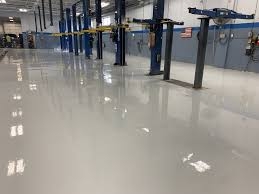
When it comes to creating a durable, stylish, and low-maintenance flooring solution for your home, residential epoxy flooring has become a popular choice. Known for its glossy finish, impressive strength, and customizable designs, epoxy floors are no longer confined to garages or industrial spaces—they’re making their way into kitchens, basements, living areas, and even bathrooms. This guide explores everything homeowners need to know about epoxy flooring, from benefits and installation to design options and maintenance.
What is Residential Epoxy Flooring?
Epoxy flooring is a type of resin-based coating applied over concrete surfaces. It combines epoxy resin and a hardening agent to create a durable, seamless surface that can withstand heavy use. Unlike traditional flooring materials like tiles or hardwood, epoxy forms a continuous, non-porous layer that is resistant to stains, spills, and wear.
In residential settings, epoxy flooring has evolved beyond simple gray coatings. Homeowners can now choose from marble-like finishes, metallic effects, color flakes, and custom patterns, making epoxy both practical and visually appealing.
Benefits of Residential Epoxy Flooring
-
Durability and Longevity
Epoxy flooring is highly resistant to scratches, dents, and heavy foot traffic. This makes it ideal for areas like garages, basements, kitchens, and playrooms. When properly installed, an epoxy floor can last 10–20 years without losing its luster. -
Low Maintenance
The non-porous surface of epoxy prevents dirt, dust, and spills from penetrating the floor. A simple sweep and mop are usually enough to keep it clean, reducing the need for harsh cleaning products. -
Aesthetically Versatile
From sleek modern finishes to decorative flakes and metallic swirls, epoxy flooring can match almost any home decor style. You can even customize colors to complement walls, cabinets, or furniture. -
Moisture and Stain Resistant
Epoxy is resistant to water and household chemicals, making it an excellent choice for kitchens, bathrooms, and laundry areas where moisture or spills are common. -
Seamless and Hygienic
Because epoxy floors are seamless, they do not have cracks or grout lines where bacteria or mold can grow. This feature makes them more hygienic than tile or carpet, perfect for homes with children or pets. -
Cost-Effective Over Time
While the initial installation cost can be higher than some flooring options, epoxy’s durability and minimal maintenance make it cost-effective in the long run.
Residential Epoxy Flooring Applications
Epoxy flooring is incredibly versatile and can enhance various areas of the home:
-
Garages and Workshops: Traditionally, epoxy was used in garages for its toughness, chemical resistance, and easy cleanup.
-
Basements: Epoxy can transform damp, dark basements into bright, polished living spaces.
-
Kitchens and Bathrooms: With slip-resistant additives, epoxy floors are safe for wet areas while adding a modern aesthetic.
-
Living Rooms and Hallways: Decorative epoxy can create a luxurious, high-end look similar to polished concrete or marble.
Installation Process
Residential epoxy flooring installation is a multi-step process that requires proper surface preparation and expertise:
-
Surface Preparation: The concrete must be clean, dry, and free from cracks or grease.
-
Priming: A primer layer is applied to improve adhesion between the concrete and epoxy.
-
Base Coat: The epoxy resin and hardener mixture is applied evenly.
-
Decorative Layer (Optional): Color flakes, metallic pigments, or patterns can be added for aesthetics.
-
Topcoat: A clear, protective layer is applied to seal the floor and enhance durability.
Professional installation is recommended to ensure a smooth, long-lasting finish without bubbles or uneven surfaces.
Maintenance Tips for Epoxy Floors
Epoxy floors are low maintenance, but proper care extends their lifespan:
-
Regular Cleaning: Sweep or vacuum dust and debris regularly.
-
Mop Spills Quickly: Wipe up spills to prevent any chemical reaction with the epoxy.
-
Avoid Abrasive Cleaners: Use mild detergents; harsh chemicals can dull the finish.
-
Protect High-Traffic Areas: Use mats or rugs under furniture to prevent scratches.
Design Options and Trends
Modern residential epoxy floors offer endless design possibilities:
-
Solid Colors: Perfect for minimalist or industrial styles.
-
Metallic Epoxy: Reflective surfaces with swirling metallic pigments create a high-end look.
-
Flake Epoxy: Adds texture and hides imperfections, ideal for garages or basements.
-
Custom Patterns: Incorporate logos, geometric designs, or borders for personalized spaces.
Conclusion
Residential epoxy flooring is more than a practical solution—it’s a design statement that blends durability, elegance, and low maintenance. Whether you want to upgrade your garage, create a sleek basement, or add a modern touch to your kitchen, epoxy flooring provides a long-lasting and customizable option for any home. With proper installation and care, this versatile flooring can transform ordinary spaces into stylish, functional areas that withstand the test of time.

 Czech
Czech
 English
 Arabic
 French
 Spanish
 Portuguese
 Deutsch
 Turkish
 Dutch
Dutch
 Italiano
 Russian
 Portuguese (Brazil)
 Greek
Greek