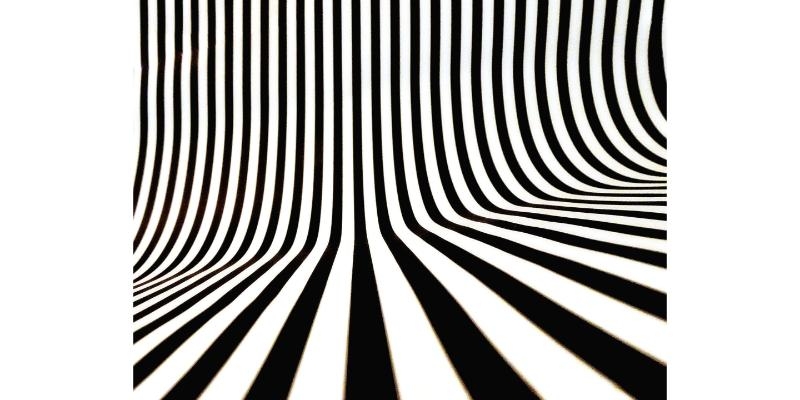
Art has the remarkable ability to transform a flat surface into a visually immersive experience. Through carefully applied techniques, artists create the Illusion of Depth, making two-dimensional paintings appear three-dimensional and lifelike. This visual magic is not accidental—it is the result of centuries of artistic study, experimentation, and mastery of foundational principles such as perspective, contrast, layering, and texture.
When viewers look at a painting and feel as though they can step into the scene, they are experiencing the power of depth creation. Understanding how artists achieve this effect reveals the fascinating technical skills behind what often appears effortless.
The Foundation of Depth in Art
Creating depth begins with understanding how we perceive space in the real world. Our eyes naturally interpret distance through cues such as size differences, overlapping objects, shadows, and atmospheric effects. Artists replicate these visual cues on canvas to simulate spatial dimension.
By combining multiple techniques strategically, painters can make foreground elements feel closer and background elements appear distant—even though everything exists on the same flat surface.
Linear Perspective: Structuring Space
One of the most fundamental techniques used to create depth is linear perspective. Developed during the Renaissance, this method uses vanishing points and converging lines to simulate spatial recession.
One-Point Perspective
In one-point perspective, all lines converge toward a single vanishing point on the horizon. This technique is commonly used in scenes such as roads, hallways, or railway tracks that stretch into the distance.
Two-Point and Three-Point Perspective
Two-point perspective uses two vanishing points, often applied when depicting buildings viewed from a corner angle. Three-point perspective introduces a third vanishing point, adding dramatic height or depth, especially in cityscapes or towering structures.
By carefully positioning lines and shapes according to perspective rules, artists establish believable spatial relationships.
Overlapping and Scale Variation
Another effective method for creating depth is overlapping. When one object partially covers another, the brain automatically interprets the covered object as being farther away. This simple yet powerful technique instantly establishes spatial hierarchy.
Scale variation works similarly. Objects placed closer to the viewer appear larger, while distant elements are depicted smaller. This proportional adjustment mimics real-world visual perception and reinforces depth naturally.
Atmospheric Perspective: Simulating Distance
Atmospheric perspective replicates how the atmosphere affects visibility over distance. In real life, distant objects appear lighter, less detailed, and slightly cooler in color due to particles in the air.
Artists apply this concept by:
-
Softening details in background elements
-
Using lighter tones and reduced contrast
-
Introducing cooler hues like blue or gray in distant areas
This subtle shift in clarity and color helps create the sensation of vast space within a painting.
Visit more: https://medium.com/@wdl666/modern-abstract-pop-art-for-home-and-office-review-13351932944b
Contrast and Light
Light and shadow are essential tools for building three-dimensional form. Strong contrast between highlights and shadows gives objects volume and solidity.
Chiaroscuro Technique
Chiaroscuro is a technique that emphasizes dramatic contrasts between light and dark. By modeling forms with gradual tonal transitions, artists create the impression of rounded surfaces and depth.
Cast Shadows
Shadows anchor objects to surfaces and establish spatial relationships. A carefully placed shadow can indicate distance, position, and orientation within a scene.
Through controlled lighting effects, artists guide the viewer’s eye and reinforce dimensional realism.
Layering and Foreground-Background Separation
Layering is another key technique in creating depth. Artists arrange compositional elements into distinct foreground, middle ground, and background areas.
-
Foreground elements often contain the most detail and strongest contrast.
-
Middle ground elements balance clarity and softness.
-
Background elements are typically lighter and less detailed.
This structured arrangement creates visual progression and movement within the painting.
Layering also allows artists to build physical texture through multiple paint applications, adding literal dimension to the surface.
Texture and Brushwork
Texture contributes significantly to depth perception. Thick, textured paint applications in the foreground create tactile presence, while smoother, thinner brushstrokes in the background suggest distance.
Impasto techniques, where paint is applied heavily, can make certain elements feel closer to the viewer. Meanwhile, softer blending techniques can push elements further back.
The interplay between rough and smooth surfaces enhances the overall spatial illusion.
Color Temperature and Depth
Warm and cool colors influence spatial perception. Warm tones such as reds, oranges, and yellows tend to advance visually, appearing closer to the viewer. Cool tones like blues and greens tend to recede, creating a sense of distance.
Artists strategically use warm colors in foreground areas and cooler tones in backgrounds to reinforce depth without relying solely on perspective lines.
Focal Points and Composition
Composition plays a vital role in guiding the viewer’s eye through space. Artists use focal points to anchor attention, then structure surrounding elements to lead the eye deeper into the scene.
Techniques such as leading lines, diagonal movement, and balanced negative space all contribute to a convincing three-dimensional effect. A well-composed painting naturally draws viewers inward, encouraging exploration of spatial layers.
Bringing It All Together
The illusion of depth in painting is rarely achieved through a single technique. Instead, artists combine perspective, layering, scale variation, contrast, color temperature, and texture to create a cohesive visual experience.
For example, a landscape painting may incorporate:
-
Linear perspective in a winding path
-
Smaller, lighter mountains in the background
-
Overlapping trees in the foreground
-
Warm sunlight in front and cooler tones in the distance
When these elements work together harmoniously, the painting transforms from a flat canvas into an immersive environment.
Why Depth Matters in Art
Depth adds realism, drama, and emotional engagement to artwork. It allows viewers to feel connected to the scene and experience movement within the composition. Even abstract paintings often rely on subtle layering and tonal variation to create spatial interest.
The mastery of depth techniques distinguishes skilled artists, enabling them to bring lifelike qualities to two-dimensional surfaces.
Final Thoughts
The illusion of depth is one of the most powerful tools in an artist’s repertoire. Through perspective, contrast, layering, atmospheric effects, and texture, painters create convincing three-dimensional spaces on flat canvases.
Understanding these techniques not only enhances appreciation for art but also reveals the technical brilliance behind every compelling composition. The next time you stand before a painting that feels immersive and lifelike, you’ll recognize the thoughtful methods that make that visual transformation possible.



 Android App
 About SPORTIVO Network

 English
 Arabic
 French
 Spanish
 Portuguese
 Deutsch
 Turkish
 Dutch
Dutch
 Italiano
 Russian
 Romaian
 Portuguese (Brazil)
 Greek
Greek