


 Android App
 About SPORTIVO Network
Hands Free Hiking Trailers: Myths, Reality, and Who They’re Actually For
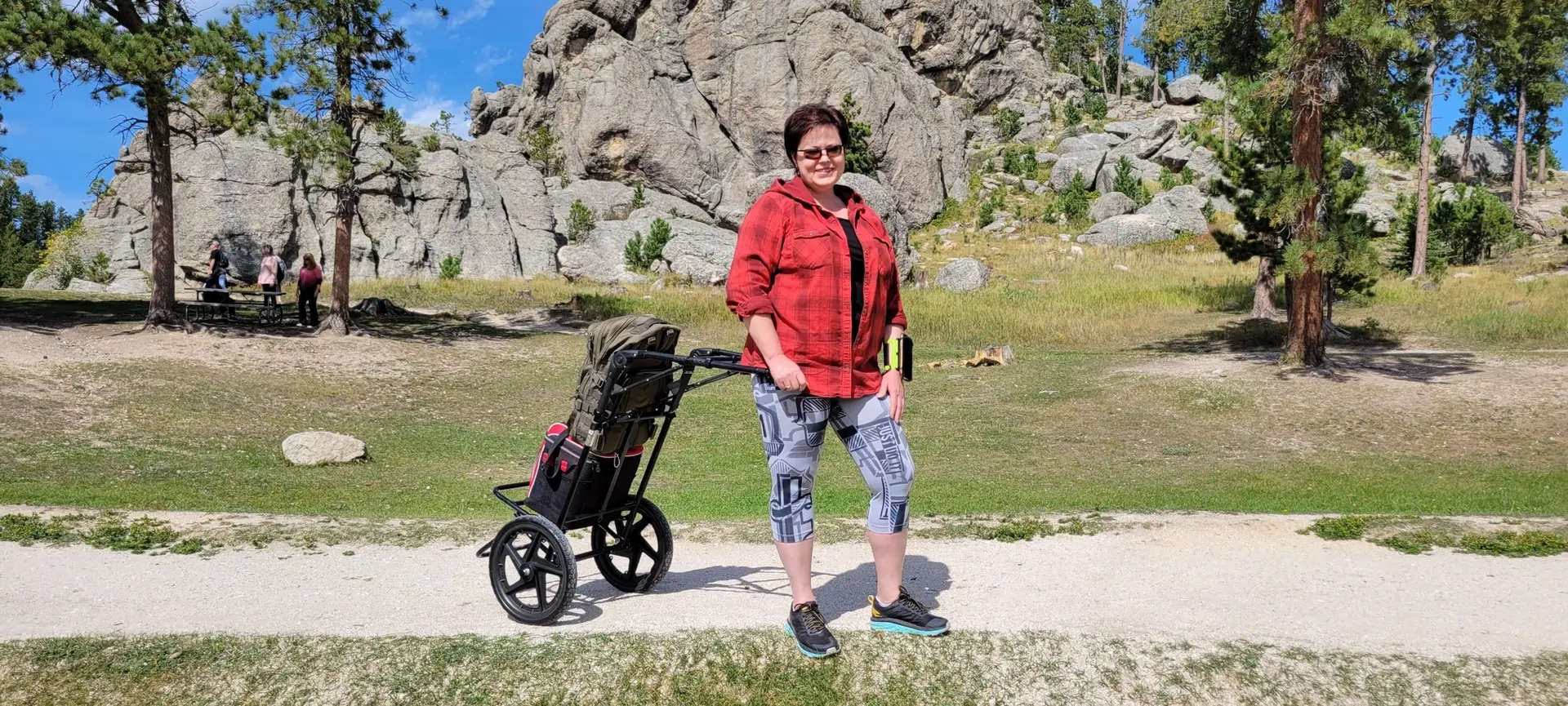
Hands Free Hiking Trailers (sometimes called hiking carts or trekking trailers) are getting more attention for one simple reason: a heavy backpack can ruin a great day outside. But online, this category is surrounded by myths—some too optimistic, some overly negative.
Here’s what’s real, what’s not, and how to decide if a Hands Free Hiking Trailer makes sense for your style of hiking.
A hiking trailer is only for people who can’t carry a backpack.
Reality: Plenty of strong, experienced hikers use them for practical reasons: long distances, bulky gear, or multi-day loads. It’s not about toughness—it’s about efficiency and comfort. If you’re carrying extra water, food, camp gear, or photo equipment, rolling the load can feel dramatically better than wearing it.
It works on every trail.
Reality: No. If your route involves scrambling, constant obstacles, steep steps, or very narrow technical terrain, a backpack often wins. Hands-free trailers are best on walkable terrain—packed paths, mixed trails, gravel, dirt, and moderate uneven surfaces.
It’s basically the same as a suitcase.
Reality: A suitcase is designed for flat floors and pavement. A trail-ready Hands Free Travel Cart needs better stability, better load control, and wheels that behave predictably on uneven ground. Treating a trail like an airport terminal is how people end up frustrated.
Once you have a trailer, you can carry unlimited gear.
Reality: You still want smart packing. Shifting weight can make any system annoying. The goal is not to bring everything—it’s to bring what you need comfortably. A well-balanced load beats a huge load every time.
Hands-free means no effort.
Reality: You still move the load. The difference is where the strain goes. Instead of loading shoulders and upper back, you’re managing a rolling load that (when well-designed and well-packed) feels steadier and more natural.
The simple decision test
A Hands Free Hiking Trailer is usually a good fit if:
· your gear is bulky (camping, food, water, camera equipment)
· you hike far enough that backpack discomfort matters
· you want your hands free for poles, balance, or navigation
· most of your routes are “walkable,” not “climbable”
What to look for (the short list)
· Stable tracking (does it feel predictable behind you?)
· Secure load (does the gear stay put?)
· Comfortable hip/waist connection
· Wheels that match your typical terrain
· Compact storage if you travel to trailheads
Bottom line
Hands Free Hiking Trailers aren’t for every trail. But for the right terrain—and the right style of hiking—they can make bigger adventures feel easier, smoother, and more enjoyable.
Optional single mention (if allowed):
One example in this category is HipStarTrailers.com.


 Czech
Czech
 English
 Arabic
 French
 Spanish
 Portuguese
 Deutsch
 Turkish
 Dutch
Dutch
 Italiano
 Russian
 Romaian
 Greek
Greek