


 Android App
 About SPORTIVO Network
How Long Does It Take To Fill A Cavity: What to Expect
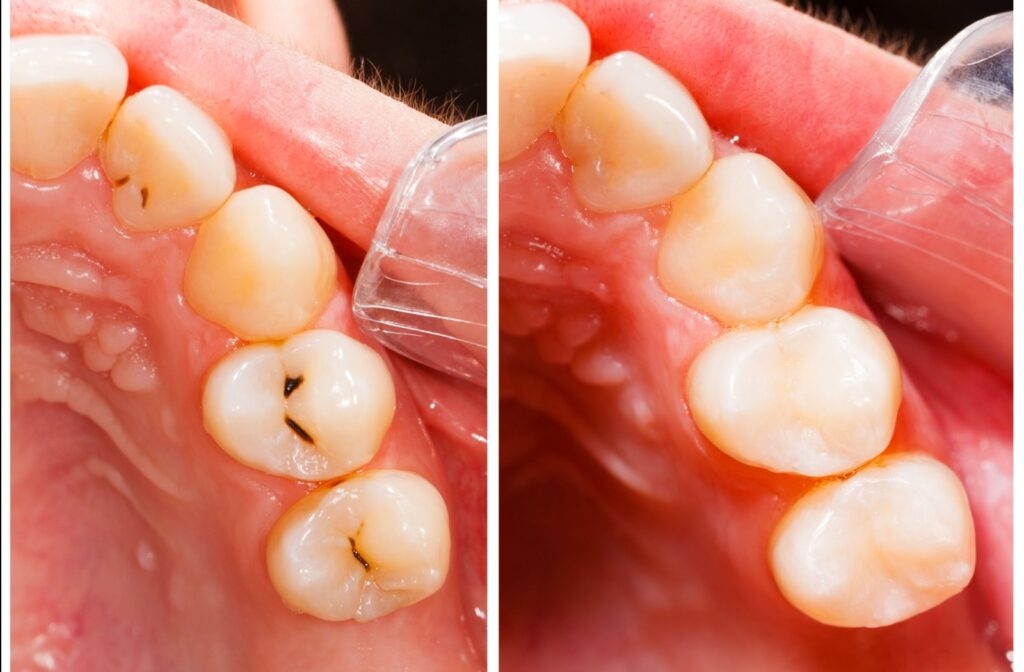
Cavities are one of the most common dental issues, affecting people of all ages. If you’ve recently been told you have a cavity, one of the first questions that come to mind is, How Long Does It Take To Fill A Cavity? Understanding the procedure and what to expect can help reduce anxiety and prepare you for your dental visit. This article will provide a comprehensive overview of cavity treatment, factors influencing the procedure time, and essential Dental Care Tips to maintain oral health after a filling.
Understanding Cavities and Their Impact
A cavity, also known as dental caries, is caused by tooth decay due to bacteria in the mouth. These bacteria feed on sugars from food and drinks, producing acids that erode the enamel and dentin layers of your teeth. Left untreated, cavities can lead to pain, infections, and even tooth loss. The severity and location of the cavity play a significant role in determining the treatment duration.
Typically, dentists use tools like X-rays to assess the depth of decay before recommending the best approach for filling the cavity. Patients often worry about discomfort and the time commitment required, which is why understanding How Long Does It Take To Fill A Cavity is important.
Factors That Affect Filling Duration
Several factors influence how long it will take to fill a cavity. These include:
-
Size and Depth of the Cavity: Shallow cavities can often be filled quickly, sometimes in just 20–30 minutes. Larger or deeper cavities may require more time to clean and prepare.
-
Type of Filling Material: Different materials, such as composite resin, amalgam, or ceramic, require varying preparation and curing times. Composite fillings, popular for their tooth-colored appearance, may take slightly longer due to layering and curing with UV light.
-
Number of Cavities: If you have multiple cavities that need treatment in a single visit, the total time will naturally increase.
-
Patient Cooperation and Comfort: Children or patients with dental anxiety may need breaks, affecting the overall procedure time.
Understanding these factors can give you a realistic idea of How Long Does It Take To Fill A Cavity, making your dental appointment less stressful.
The Cavity Filling Procedure Explained
Filling a cavity is a routine dental procedure, but knowing what happens step by step can ease anxiety. The general steps include:
-
Local Anesthesia: The dentist will numb the area around the affected tooth using a local anesthetic to minimize discomfort.
-
Removing Decay: Using a dental drill or laser, the dentist removes the decayed portion of the tooth carefully.
-
Cleaning the Cavity: After removing decay, the cavity is cleaned to eliminate bacteria and debris.
-
Filling Placement: The selected filling material is applied in layers, ensuring proper sealing of the cavity.
-
Shaping and Polishing: Finally, the filling is shaped to match your tooth’s natural contours and polished for smoothness.
Depending on the complexity, this process can take anywhere from 20 minutes to over an hour. On average, most single-cavity fillings are completed within 45 minutes.
How Different Filling Materials Affect Time
The type of filling material used significantly impacts How Long Does It Take To Fill A Cavity. Some common options include:
-
Composite Resin: Tooth-colored and aesthetically pleasing, composite fillings require layering and UV curing. This can take slightly longer than other types.
-
Amalgam: Silver-colored and highly durable, amalgam fillings are quicker to place but less popular due to their metallic appearance.
-
Ceramic or Porcelain: Often used for larger cavities or cosmetic reasons, ceramic fillings are typically fabricated in a dental lab, sometimes requiring multiple visits.
Your dentist will recommend the best material based on the location of the cavity, your bite, and your cosmetic preferences.
Recovery and Post-Filling Care
Once the filling is complete, it’s normal to experience temporary sensitivity to hot or cold foods. This usually subsides within a few days. To ensure longevity and comfort:
-
Avoid chewing hard foods on the filled tooth for at least 24 hours, especially if you had an amalgam filling.
-
Maintain good oral hygiene by brushing twice daily and flossing gently around the filled tooth.
-
Schedule regular dental check-ups to monitor the integrity of the filling.
Following these simple Dental Care Tips can prevent future cavities and maintain your oral health.
Signs That Indicate a Problem After a Filling
While cavity fillings are generally safe, it’s important to watch for any signs of complications. Contact your dentist if you experience:
-
Persistent pain or sensitivity beyond a few days
-
Visible cracks or rough spots on the filling
-
Signs of infection such as swelling or pus
Prompt attention can prevent the need for more extensive dental work and ensures the filled tooth remains healthy.
Tips to Reduce Cavity Development in the Future
Preventing cavities is always better than treating them. Here are some effective strategies:
-
Limit Sugary Foods and Drinks: Reduce sugar intake to prevent acid production by oral bacteria.
-
Brush and Floss Regularly: Cleaning teeth twice daily and flossing removes plaque and debris that cause cavities.
-
Use Fluoride Toothpaste: Fluoride strengthens enamel and protects teeth from decay.
-
Regular Dental Visits: Professional cleanings and check-ups allow early detection of cavities before they worsen.
Incorporating these habits into your routine will reduce the likelihood of needing future fillings.
Final Thoughts on Filling a Cavity
Understanding How Long Does It Take To Fill A Cavity helps patients plan their dental visits and manage expectations. While the procedure is generally quick and painless, various factors such as cavity size, material type, and patient comfort influence the duration. By following proper oral hygiene practices and implementing the Dental Care Tips mentioned above, you can protect your teeth and reduce the need for frequent dental treatments.
Remember, timely treatment and regular preventive care are key to maintaining a healthy smile. Don’t delay visiting your dentist if you suspect a cavity—early intervention can save both time and discomfort in the long run.

 Czech
Czech
 English
 Arabic
 French
 Portuguese
 Deutsch
 Turkish
 Dutch
Dutch
 Italiano
 Russian
 Romaian
 Portuguese (Brazil)
 Greek
Greek