


 About SPORTIVO Network
Key Changes in the Way Retailers Source Tech
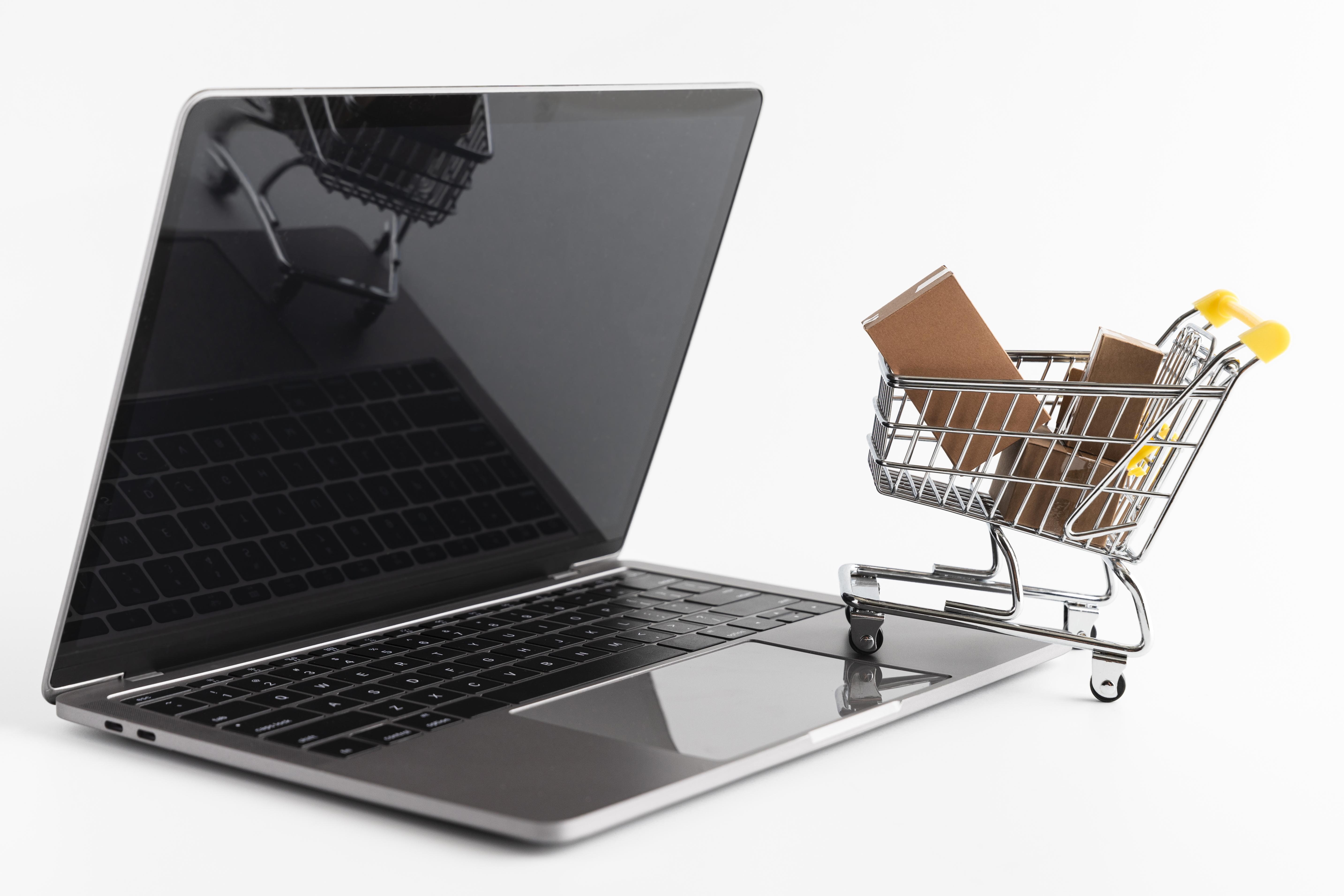
The way retailers source technology products has changed dramatically over the past decade. Traditional sourcing methods that relied heavily on physical wholesale markets, local distributors, and personal networks are steadily giving way to more structured, data-driven, and digital approaches. These changes are not just about convenience—they reflect a deeper shift in how retailers manage risk, control costs, and respond to customer demand in a fast-moving tech landscape.
Understanding these key changes is essential for retailers who want to remain competitive and profitable in today’s electronics market.
Shift from Local Wholesalers to Broader Supplier Networks
Earlier, retailers were largely dependent on a small number of local wholesalers. While this model offered familiarity and trust, it also limited choice and pricing flexibility.
Today, retailers are expanding their supplier networks beyond geographic boundaries. Access to multiple suppliers allows better comparison of products, pricing, and terms. This shift reduces dependency on a single source and improves supply stability.
Increased Focus on Cost Transparency
One of the most noticeable changes in tech sourcing is the growing demand for pricing transparency. Retailers no longer accept vague cost structures or hidden charges.
Clear pricing helps retailers calculate margins accurately and plan their purchasing strategies more effectively. Transparent cost breakdowns also make it easier to negotiate better terms and avoid unexpected expenses that eat into profits.
Data-Driven Sourcing Decisions
Modern retailers increasingly rely on sales data and demand trends to guide sourcing decisions. Instead of stocking products based on assumptions, retailers analyze what sells, when it sells, and at what volume.
This data-driven approach minimizes overstocking, reduces dead inventory, and ensures capital is invested in fast-moving items. As a result, sourcing becomes more precise and aligned with actual customer needs.
Reduced Dependence on Middlemen
Traditional sourcing models often involved multiple intermediaries between manufacturers and retailers. While middlemen played an important role, they also added cost and complexity.
Retailers are now seeking more direct sourcing channels. Fewer intermediaries mean better pricing control, faster communication, and improved accountability across the supply chain.
Growing Importance of Supplier Verification
Trust remains a critical factor in tech sourcing, but it is now supported by verification rather than personal relationships alone.
Retailers increasingly evaluate suppliers based on business credentials, transaction history, consistency, and reliability. Verified supplier information reduces the risk of fraud, delayed shipments, and inconsistent product quality.
Faster Procurement Cycles
Speed has become a competitive necessity. Tech products and accessories evolve quickly, and delayed sourcing can result in missed sales opportunities.
Retailers are adopting sourcing methods that allow faster ordering, confirmation, and fulfillment. Shorter procurement cycles help retailers respond quickly to market trends and seasonal demand spikes.
Better Inventory Alignment with Demand
Sourcing strategies today are closely tied to inventory planning. Retailers aim to source products in quantities that align with actual demand rather than bulk buying without forecasting.
This change improves cash flow, reduces storage costs, and ensures shelf space is used efficiently. Inventory alignment also allows retailers to adapt quickly when demand patterns change.
Integration of Logistics into Sourcing Decisions
Logistics is no longer an afterthought—it is now a core part of sourcing strategy. Retailers consider delivery timelines, handling quality, and logistics reliability before finalizing sourcing decisions.
Reliable logistics support ensures products arrive on time, in good condition, and with predictable costs. This integration helps retailers maintain consistent service levels.
Rise of Digital Sourcing Platforms
Digital platforms have played a major role in transforming how retailers source tech products. These platforms provide access to multiple suppliers, product catalogs, and pricing information in one place.
Many retailers now prefer to buy computer accessories online through structured digital channels that offer visibility, convenience, and scalability.
Greater Emphasis on Product Information
Retailers today demand detailed product information before sourcing. Specifications, compatibility details, packaging standards, and warranty terms are closely reviewed.
Better product information reduces return rates, improves customer satisfaction, and supports accurate sales communication at the store level.
Flexibility Over Long-Term Lock-Ins
Previously, retailers often entered long-term sourcing arrangements with limited flexibility. Today, adaptability is prioritized.
Retailers prefer sourcing arrangements that allow them to adjust quantities, change product mixes, or switch suppliers as market conditions evolve. This flexibility helps manage risk in a rapidly changing tech environment.
Focus on Long-Term Sustainability
Sourcing decisions are increasingly influenced by long-term business sustainability. Retailers consider consistency, reliability, and scalability rather than short-term price advantages alone.
Sustainable sourcing supports steady growth, stable margins, and stronger supplier relationships over time.
Improved Risk Management
Modern sourcing strategies are designed to minimize risk. Retailers diversify suppliers, monitor performance, and plan contingencies to avoid supply disruptions.
This proactive approach ensures business continuity even during market volatility or logistical challenges.
Conclusion
The way retailers source tech products has evolved from relationship-based, localized purchasing to strategic, data-driven, and transparent sourcing models. These changes enable retailers to control costs, manage inventory better, and respond faster to customer demand.
Retailers who adapt to these sourcing shifts position themselves for long-term success in a competitive electronics market. Embracing flexibility, transparency, and informed decision-making is no longer optional—it is essential for growth.

 Czech
Czech
 English
 French
 Spanish
 Portuguese
 Deutsch
 Turkish
 Dutch
Dutch
 Italiano
 Russian
 Romaian
 Portuguese (Brazil)
 Greek
Greek