


 About SPORTIVO Network
Postpartum Thyroid Issues: When to Consider a Thyroid Function Test
Understanding Postpartum Thyroid Issues and Why They Occur
After childbirth, a woman’s body goes through dramatic hormonal shifts. While most people focus on physical recovery and newborn care, the thyroid gland also undergoes changes that can significantly impact overall health. Postpartum thyroid issues commonly occur within the first year after delivery and may develop even in women who never had thyroid problems before pregnancy.
The most common condition is postpartum thyroiditis, an inflammatory disorder that affects the thyroid gland after childbirth. It is believed to be an autoimmune response triggered by hormonal fluctuations. During pregnancy, the immune system becomes less active to protect the baby. After delivery, it rebounds — and in some women, this rebound mistakenly attacks the thyroid gland.
These changes can lead to either temporary or, in some cases, permanent thyroid dysfunction. Understanding these risks early helps new mothers seek timely testing and treatment.
What Is Postpartum Thyroiditis?
Postpartum thyroiditis is a condition in which the thyroid gland becomes inflamed within the first 12 months after childbirth. It typically occurs in two phases. The first phase may cause hyperthyroidism (overactive thyroid), followed by a second phase of hypothyroidism (underactive thyroid). Some women experience only one phase, while others go through both.
During the hyperthyroid phase, excess thyroid hormones leak into the bloodstream due to inflammation. Later, as the gland becomes depleted, hormone production may drop below normal levels.
According to the American Thyroid Association, postpartum thyroiditis affects approximately 5–10% of women after delivery, although the number may be higher in high-risk groups. Women with type 1 diabetes, a history of thyroid disorders, or positive thyroid antibodies are more likely to develop this condition.
Early identification is important because symptoms can easily be confused with normal postpartum changes.
Common Symptoms to Watch For After Delivery
Recognizing postpartum thyroid symptoms can be challenging because many signs overlap with normal post-baby recovery. However, certain symptoms may indicate thyroid imbalance.
Hyperthyroid Phase Symptoms:
- Anxiety or irritability
- Rapid heartbeat or palpitations
- Unexplained weight loss
- Excessive sweating
- Difficulty sleeping
Hypothyroid Phase Symptoms:
- Extreme fatigue beyond normal newborn exhaustion
- Weight gain
- Constipation
- Dry skin
- Depression or mood changes
If these symptoms feel intense, persistent, or unusual compared to typical postpartum experiences, it may be time to consider a Thyroid Function Test. Ignoring them can delay proper diagnosis and prolong discomfort.
When Should You Consider a Thyroid Function Test?
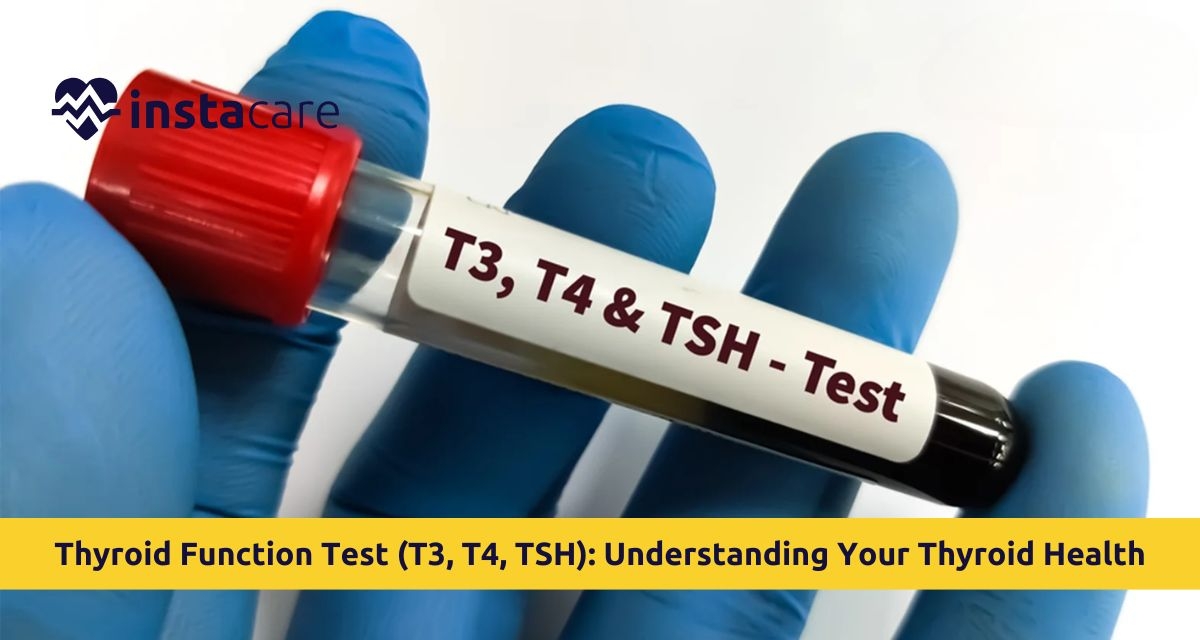
A Thyroid Function Test (TFT) measures key thyroid hormones such as TSH (Thyroid Stimulating Hormone), T3, and T4. Testing is especially important if symptoms last more than a few weeks or progressively worsen.
You should consider a thyroid test if:
- You experience unexplained mood swings or postpartum depression
- You have persistent fatigue that doesn’t improve with rest
- You notice sudden weight changes without dietary shifts
- You have a personal or family history of thyroid disease
- You had thyroid antibodies detected during pregnancy
Doctors often recommend screening between 6 weeks to 6 months postpartum for women at higher risk. A simple blood test can provide clarity and prevent long-term complications.
How Postpartum Thyroid Issues Affect Mental and Physical Health
Postpartum thyroid disorders don’t just affect hormone levels — they can deeply influence emotional wellbeing and daily functioning. Hypothyroidism, in particular, is strongly associated with postpartum depression. In some cases, thyroid imbalance may be misdiagnosed as a purely psychological condition.
Untreated thyroid dysfunction can also affect breastfeeding, energy levels, and heart health. Severe hyperthyroidism may lead to irregular heart rhythms, while prolonged hypothyroidism can increase cholesterol levels and cause long-term metabolic problems.
Early diagnosis allows proper monitoring and reduces risks of permanent thyroid damage. Many women recover fully within 12–18 months, but some may develop lifelong hypothyroidism requiring ongoing treatment.
Diagnosis and Treatment Options
Diagnosis is straightforward and involves a blood test to evaluate TSH, Free T3, and Free T4 levels. In some cases, thyroid antibody testing may also be recommended to confirm autoimmune involvement.
Treatment depends on the phase and severity:
- Mild Hyperthyroid Phase: Often requires monitoring only, as it may resolve naturally. Beta-blockers may be prescribed to control symptoms like palpitations.
- Hypothyroid Phase: May require temporary thyroid hormone replacement therapy (levothyroxine).
Most women recover completely within a year. However, about 20–30% may develop permanent hypothyroidism and need lifelong medication. Regular follow-up testing ensures hormone levels remain stable.
Risk Factors You Shouldn’t Ignore
Certain women are more vulnerable to postpartum thyroid problems. Knowing these risk factors can help you stay proactive about testing.
High-risk groups include:
- Women with previous thyroid disorders
- Those with autoimmune diseases
- Mothers with type 1 diabetes
- Women who had postpartum thyroiditis in a previous pregnancy
- Those with a family history of thyroid disease
If you fall into any of these categories, early screening after delivery is strongly recommended. Prevention may not always be possible, but early detection reduces complications.
Book Your Thyroid Function Test from Chughtai Lab via InstaCare and Get 25% Discount
If you are experiencing unusual fatigue, mood changes, or unexplained weight shifts after childbirth, don’t ignore the signs. A timely Thyroid Function Test can provide clarity and peace of mind.
You can book your Thyroid Function Test from Chughtai Lab via InstaCare and get 25% discount conveniently online. Early testing ensures accurate diagnosis and faster treatment, helping you focus on recovery and caring for your baby.
Conclusion
Postpartum thyroid issues are more common than many women realize. Because their symptoms overlap with normal post-delivery changes, they are often overlooked. However, persistent fatigue, anxiety, depression, or weight fluctuations may indicate thyroid imbalance.
A simple Thyroid Function Test can help detect abnormalities early and guide appropriate treatment. With proper monitoring and medical care, most women recover fully and regain hormonal balance. Prioritizing your thyroid health after childbirth is an important step toward overall wellbeing.
Frequently Asked Questions (FAQs)
1. How long do postpartum thyroid issues last?
In most cases, postpartum thyroiditis resolves within 12–18 months after delivery. However, some women may develop permanent hypothyroidism and require long-term treatment.
2. Can postpartum thyroid problems affect breastfeeding?
Yes, severe thyroid imbalance can impact milk supply and energy levels. Proper diagnosis and treatment usually help restore normal functioning without major breastfeeding issues.
3. Is postpartum thyroiditis the same as postpartum depression?
No, but symptoms may overlap. Thyroid imbalance can contribute to mood changes and depression. A Thyroid Function Test helps differentiate between hormonal and psychological causes.

 Czech
Czech
 English
 Arabic
 French
 Spanish
 Portuguese
 Deutsch
 Turkish
 Italiano
 Russian
 Romaian
 Portuguese (Brazil)
 Greek
Greek