


 Android App
 About SPORTIVO Network
How Hybrid Cars Save Fuel Daily
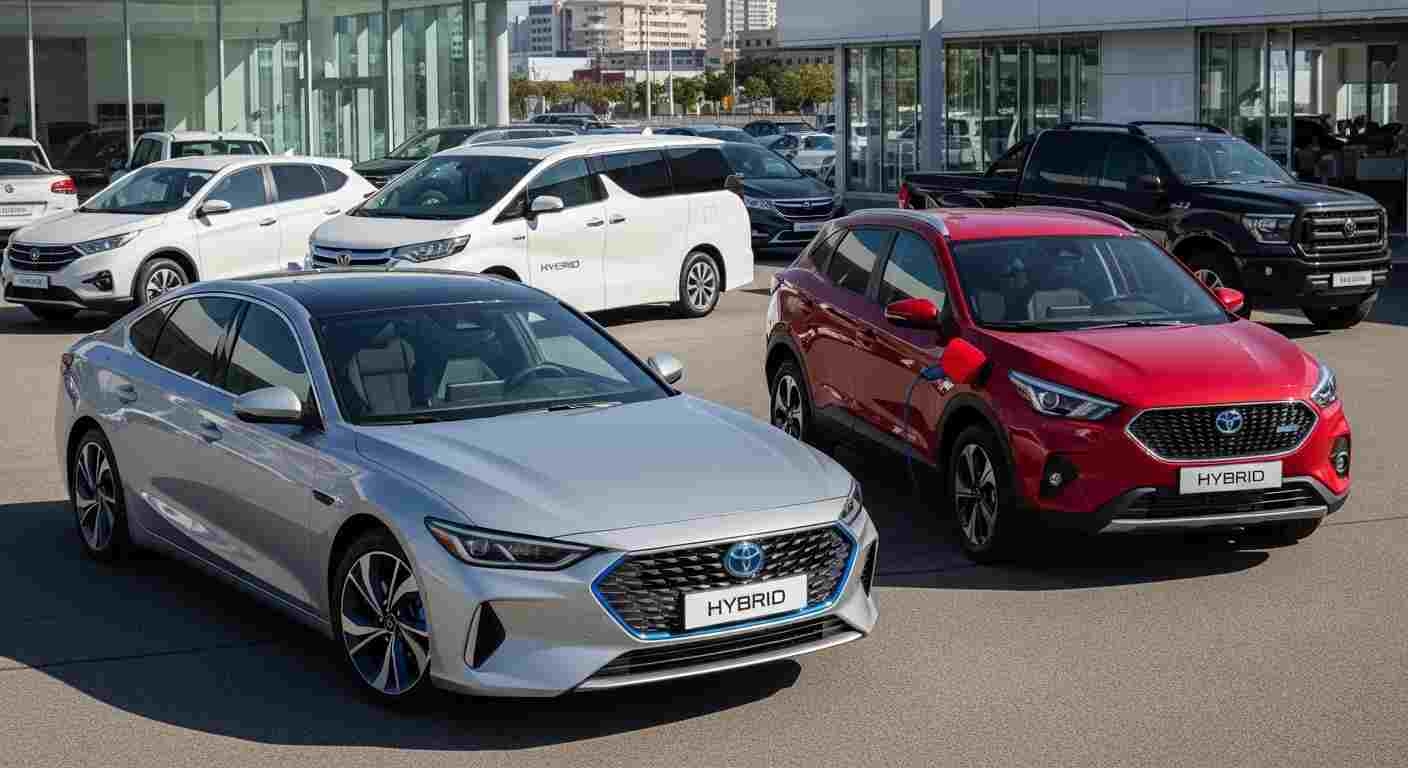
Hybrid cars have become increasingly popular as drivers look for ways to save fuel and reduce emissions. Unlike traditional petrol or diesel cars, hybrid vehicles use both an engine and an electric motor to power the vehicle. This combination allows for better fuel efficiency, especially during daily driving.
Understanding Hybrid Technology
Hybrid cars combine a petrol engine with an electric motor. The petrol engine works alongside the motor to provide power when needed, while the electric motor assists during low speeds and stop-and-go traffic.
How the Engine and Motor Work Together
In a hybrid vehicle, the electric motor can move the car by itself during slow city driving. When more power is needed, such as accelerating or driving on highways, the petrol engine kicks in. This combination allows the car to use less fuel than a traditional vehicle.
Readers of WheelsWind.com often ask if hybrids are complicated to drive. Most modern hybrids are very user-friendly, and the system automatically decides when to use the engine or the motor.
Regenerative Braking
One of the main reasons hybrid cars save fuel daily is their regenerative braking system.
Capturing Energy While Braking
When you brake in a hybrid car, the electric motor acts as a generator. It captures energy that would normally be lost as heat and stores it in the battery. This stored energy can later be used to power the electric motor, reducing fuel consumption.
At WheelsWind.com, we often highlight regenerative braking as one of the key features that make hybrids highly efficient in city driving conditions.
Starting and Stopping Efficiently
Hybrid vehicles are designed to save fuel in everyday traffic conditions.
Electric Start
When a hybrid car starts from a stop, it usually runs on the electric motor alone. This means the petrol engine does not consume fuel during initial acceleration.
Idling Savings
In heavy traffic, hybrids can turn off the petrol engine when the car is idle. The electric motor can restart the vehicle smoothly when it’s time to move. This feature reduces fuel usage significantly compared to conventional engines that burn fuel while idling.
Fuel Savings in City Driving
City driving often involves frequent stops, slow traffic, and short trips. Hybrid vehicles excel in these conditions.
Electric Assistance in Traffic
During stop-and-go driving, the electric motor handles most of the work. The petrol engine runs only when extra power is needed. WheelsWind.com often emphasizes that this is one of the biggest advantages of hybrids for daily commuters.
Reduced Wear on Engine
Because the engine is not constantly running, hybrids experience less wear and tear. This can lead to lower maintenance costs over time while also improving fuel efficiency.
Highway Driving and Fuel Efficiency
Even at higher speeds, hybrid cars offer fuel savings.
Combined Power
At highway speeds, both the petrol engine and the electric motor work together to provide smooth and efficient acceleration. The electric motor reduces the workload on the petrol engine, allowing it to operate more efficiently.
Aerodynamic Design
Many hybrid cars have aerodynamic designs that reduce air resistance. This design helps improve fuel efficiency on long drives, which is often highlighted in reviews on WheelsWind.com.
Smart Energy Management
Hybrid vehicles are equipped with smart energy management systems.
Automatic Power Distribution
The car’s computer decides when to use the electric motor, the petrol engine, or both. This ensures that the car always operates efficiently, saving fuel without requiring extra effort from the driver.
Monitoring Driving Patterns
Some hybrid systems even adapt to your driving style. By learning when you accelerate or brake, the system optimizes energy usage to save fuel. WheelsWind.com often reports that these features make hybrids highly practical for daily commuting.
Regenerative Systems Beyond Braking
Hybrid cars also use energy-saving systems in other areas.
Climate Control Efficiency
Some hybrids adjust air conditioning and heating to reduce energy consumption. This allows the petrol engine and battery to work efficiently without wasting fuel.
Accessory Management
Hybrid systems can control accessories like lights and infotainment to reduce unnecessary energy use. These small adjustments add up, contributing to fuel savings every day.
Long-Term Benefits of Fuel Savings
Hybrid cars save fuel on a daily basis, but the benefits are even greater over time.
Lower Fuel Expenses
Drivers who commute daily can notice significant reductions in fuel expenses. Over months and years, these savings often outweigh the slightly higher purchase cost of a hybrid vehicle.
Environmental Impact
Using less fuel means lower carbon emissions. Hybrid vehicles are more eco-friendly and help reduce pollution in urban areas. At WheelsWind.com, we often highlight hybrids as a practical step toward cleaner driving.
Tips to Maximize Fuel Savings
Smooth Driving
Avoid sudden acceleration and heavy braking. Using regenerative braking effectively helps save more energy.
Regular Maintenance
Maintaining the hybrid system and battery ensures the car continues to operate efficiently. WheelsWind.com advises following manufacturer-recommended service schedules.
Plan Your Routes
Short trips with frequent stops may reduce fuel savings, so planning longer trips when possible can maximize efficiency.
Conclusion
Hybrid cars save fuel daily through electric motor assistance, regenerative braking, smart energy management, and efficient engine use. These features make hybrids ideal for city commuting and highway driving alike.
For readers of WheelsWind.com, hybrid vehicles offer a balance of fuel savings, comfort, and eco-friendly driving. With regular maintenance and mindful driving, hybrids can deliver long-term benefits both for your wallet and the environment.

 Czech
Czech
 English
 Arabic
 French
 Spanish
 Portuguese
 Deutsch
 Turkish
 Dutch
Dutch
 Italiano
 Russian
 Romaian
 Greek
Greek