


 Android App
 About SPORTIVO Network
The Ultimate Guide to Installing Artificial Grass for Lawns
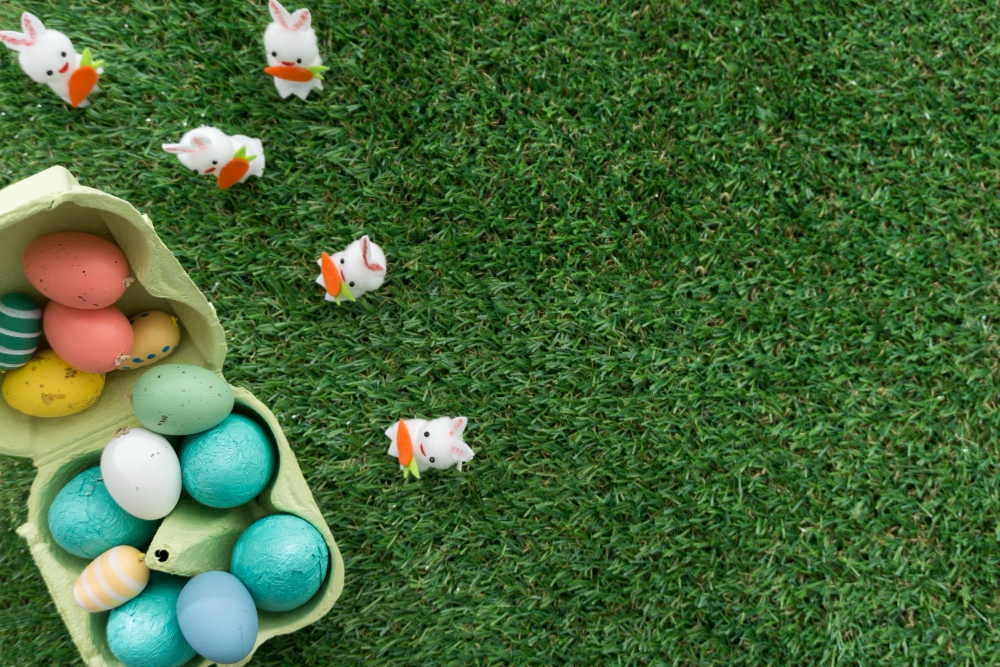
Artificial grass has become a popular choice for homeowners who want a lush, green lawn without the constant mowing, watering, and fertilizing required by natural grass. Modern artificial turf looks incredibly realistic, feels soft underfoot, and can withstand heavy foot traffic, pets, and changing weather conditions. If you’re considering upgrading your outdoor space, this ultimate guide will walk you through everything you need to know about installing artificial grass for lawns.
Why Choose Artificial Grass?
Before diving into installation, it’s important to understand why artificial grass is such a smart investment. Unlike natural lawns, artificial turf requires minimal maintenance. There’s no need for watering, mowing, or applying pesticides. This not only saves time but also reduces water usage and ongoing landscaping costs.
Artificial grass for lawns remains green and vibrant all year round, regardless of weather conditions. It’s durable, pet-friendly, and ideal for high-traffic areas. Whether you have children playing in the yard or frequently host outdoor gatherings, artificial turf maintains its appearance without developing bald patches or mud spots.
Planning Your Artificial Lawn Installation
Proper planning is the foundation of a successful artificial grass installation. Start by measuring your lawn area accurately. Calculate the square footage to determine how much turf, base material, and other supplies you’ll need. It’s always wise to order slightly more turf than required to account for trimming and adjustments.
Next, evaluate your current lawn condition. Remove any obstacles such as rocks, tree roots, or debris. Consider drainage needs, especially if your yard tends to collect water. Artificial grass performs best when installed on a well-prepared, stable base.
Tools and Materials You’ll Need
Installing artificial grass requires specific tools and materials to ensure durability and proper drainage. Common essentials include:
-
Artificial grass rolls
-
Crushed stone or aggregate base material
-
Weed barrier fabric
-
Landscape stakes or nails
-
Turf adhesive or seam tape
-
Utility knife
-
Plate compactor
-
Rake and shovel
Having all materials ready before starting will make the installation process smoother and more efficient.
Step 1: Remove Existing Grass and Soil
The first major step is removing your natural lawn. Dig out the existing grass and approximately 3–4 inches of soil. This creates space for the base material and ensures a level surface. Be thorough during this stage, as leftover roots or organic material can cause uneven areas over time.
After excavation, smooth and level the surface using a rake. Ensure the ground slopes slightly away from your home to promote proper drainage.
Step 2: Install a Solid Base
The base is one of the most important components of artificial grass installation. Spread a layer of crushed stone or decomposed granite evenly across the excavated area. This layer should be around 2–3 inches thick.
Use a plate compactor to compact the base thoroughly. Proper compaction prevents shifting, sinking, and uneven spots. The surface should feel firm and stable before moving on to the next step.
Step 3: Add a Weed Barrier
Lay down a high-quality weed barrier fabric over the compacted base. This prevents weeds from growing through the artificial turf while still allowing water to drain properly. Secure the fabric with landscape staples or nails to keep it in place.
Although artificial grass blocks most sunlight, weeds can still grow from beneath if a barrier isn’t installed. Taking this extra step ensures long-term durability and a clean appearance.
Step 4: Roll Out and Position the Turf
Carefully roll out the artificial grass over the prepared area. Allow the turf to sit in the sun for a few hours before trimming. This helps the material relax and flatten, making it easier to work with.
When positioning multiple rolls, ensure the grass fibers face the same direction for a uniform look. Overlap edges slightly if needed, and trim carefully using a sharp utility knife for precise fitting.
Step 5: Seam and Secure the Turf
If your lawn requires multiple pieces of turf, you’ll need to join them using seam tape and turf adhesive. Align the edges tightly without overlapping the blades. Apply adhesive evenly and press the seams together firmly.
Once the turf is positioned correctly, secure it along the edges using landscape nails or stakes. Place fasteners every 6–8 inches along the perimeter to keep the grass firmly anchored.
Step 6: Add Infill Material
Infill is a crucial component of artificial grass installation. It helps weigh down the turf, supports the blades, and improves overall stability. Spread silica sand or rubber infill evenly across the surface.
Use a stiff broom or power brush to work the infill into the fibers. This step helps the grass blades stand upright and gives the lawn a more natural appearance.
Step 7: Final Grooming and Inspection
After installing the turf and infill, inspect the entire area carefully. Check for loose edges, visible seams, or uneven sections. Brush the grass one final time to ensure the fibers are upright and evenly distributed.
Your artificial lawn should now look smooth, natural, and ready for use.
Maintenance Tips for Long-Lasting Results
Although artificial grass is low maintenance, occasional care keeps it looking its best. Remove leaves and debris regularly using a leaf blower or rake. Rinse the surface occasionally to remove dust and pet waste.
For high-traffic areas, brushing the fibers periodically helps maintain their upright appearance. If needed, top up infill material to keep the turf stable and supportive.
Common Mistakes to Avoid
To ensure a successful installation, avoid these common errors:
-
Skipping proper base preparation
-
Not compacting the base thoroughly
-
Failing to align turf grain direction
-
Overlooking drainage considerations
-
Using low-quality materials
Attention to detail during installation ensures your artificial lawn remains durable and attractive for years.
DIY vs. Professional Installation
While many homeowners choose to install artificial grass themselves, professional installation offers added expertise and efficiency. Professionals have specialized equipment and experience to ensure proper grading, drainage, and seamless finishing.
If your lawn has complex shapes, slopes, or large surface areas, hiring professionals may save time and prevent costly mistakes.
Benefits You’ll Enjoy After Installation
Once installed, artificial grass transforms your outdoor space into a year-round green oasis. You’ll enjoy:
-
Reduced water bills
-
No mowing or fertilizing
-
A mud-free environment
-
Durable, child- and pet-friendly surfaces
-
Consistent visual appeal
Artificial turf not only enhances your property’s appearance but also increases usability and convenience.
Final Thoughts
Installing artificial grass for lawns is a practical and visually appealing upgrade that offers long-term benefits. By following proper preparation steps, using quality materials, and paying attention to detail, you can create a durable, low-maintenance lawn that stays vibrant throughout the year.
Whether you choose a DIY approach or hire professionals, artificial grass installation is an investment that delivers beauty, functionality, and sustainability for years to come. If you’d like this guide tailored for a specific city, business website, or SEO strategy, just let me know—I’m happy to customize it for you.
You May Also Like
10+ Best Artificial Grass for Dogs: A Buyer’s Guide [2026]
10+ Best Artificial Grass Landscaping: A Buyer’s Guide In 2026
10+ Best Artificial Grass for Golf Courses: A Buyer’s Guide
10+ Best Pet-Friendly Artificial Grass Options: A Buyer’s Guide


 Czech
Czech
 English
 Arabic
 French
 Portuguese
 Deutsch
 Turkish
 Dutch
Dutch
 Italiano
 Russian
 Romaian
 Portuguese (Brazil)
 Greek
Greek