


 Android App
 About SPORTIVO Network
The Incredible Transformation by Silent Car Restoration
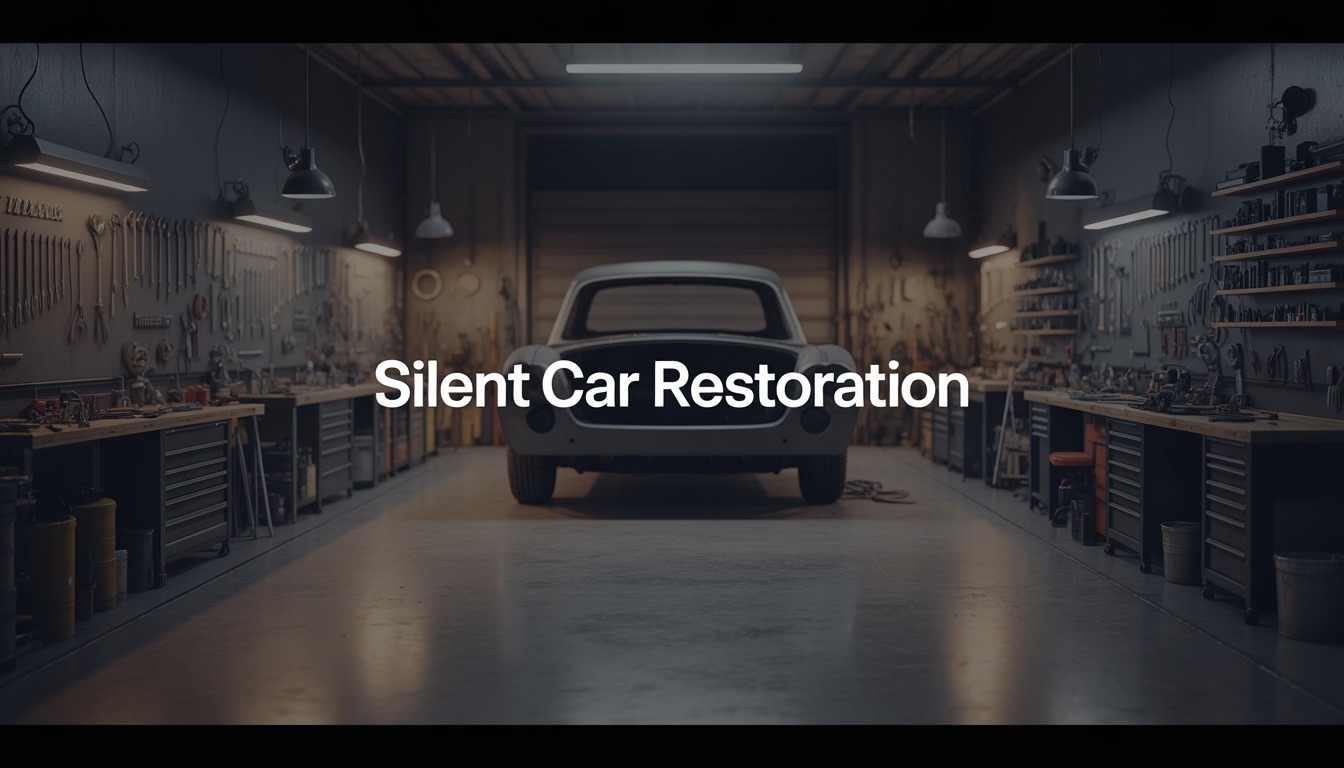
Some cars don’t look worth saving.
The paint is gone.
Rust covers the body.
The engine won’t turn.
The interior smells like it has been closed for decades.
Most people walk away.
But sometimes, underneath all that damage, there is still a strong machine waiting to be rebuilt. That’s where Silent Car Restoration steps in.
This isn’t about quick makeovers. It’s about full transformation. From rusted scrap to a car that runs, drives, and looks right again.
Let’s break down what that transformation really looks like.
Starting With What Others Ignore
Every project begins with a car that has been forgotten.
Maybe it sat in a backyard for years.
Maybe it was parked in a shed and never touched again.
Maybe it failed inspection and was pushed aside.
When Silent Car Restoration chooses a project, the first step is simple: look closely.
Not at the paint.
Not at the dirt.
At the structure.
Is the frame solid?
Can the rust be repaired?
Is the car complete enough to rebuild?
A car doesn’t need to look good to be worth saving. It just needs potential.
The Tear Down Phase
Before anything improves, the car gets worse.
It comes apart.
Doors off.
Interior removed.
Engine pulled.
Suspension dropped.
Wiring disconnected.
At this stage, the car looks like a shell.
This part is not exciting to outsiders. But it’s critical.
Silent Car Restoration takes time during teardown. Every part is labeled. Every bolt is stored properly. Photos are taken for reference.
Organization now prevents confusion later.
A clean rebuild starts with a clean disassembly.
Exposing the Real Damage
Once the car is stripped, the real condition shows.
Rust that was hidden behind panels becomes visible.
Old repairs are exposed.
Weak metal areas are easier to see.
This is where many projects fail. Some people try to cover rust with filler. Others weld over damaged metal.
Silent Car Restoration avoids shortcuts.
Bad metal gets cut out completely.
New metal is shaped and welded in carefully. The goal is strength, not just appearance.
Clean welds. Smooth finishes. Solid structure.
This is the foundation of the transformation.
Rebuilding the Mechanical Core
A car is more than its body.
The engine, transmission, brakes, and suspension are what make it functional.
In many old cars, mechanical systems are worn out from age, not just mileage.
Rubber seals crack.
Oil turns thick.
Brake lines corrode.
Bushings dry out.
Silent Car Restoration handles these systems step by step.
The engine is opened and inspected. Worn components are replaced. Clearances are measured. Parts are cleaned or rebuilt.
The braking system is refreshed completely. Safety is not optional.
Suspension parts are either restored or replaced to ensure stable handling.
The goal is simple: when the car drives again, it should feel tight and dependable.
Electrical System Repairs
Old wiring can cause endless problems.
Cracked insulation.
Corroded connectors.
Loose grounds.
Instead of ignoring electrical issues, Silent Car Restoration checks them carefully.
Wires are repaired or replaced. Connections are cleaned. Circuits are tested before final assembly.
A restored car should not have hidden electrical faults waiting to cause trouble.
Body Preparation: The Long Process
Paint is what people notice first. But good paint requires hours of preparation.
After rust repair, the body needs to be straight.
Panels are aligned properly.
Surface imperfections are corrected.
Primer is applied.
The car is sanded again and again.
This part takes time.
Silent Car Restoration doesn’t rush body prep. Because if the surface isn’t smooth, the final paint will show every flaw.
It’s repetitive work. But it makes the difference between average and clean.
The Paint Stage
When the body is ready, paint finally goes on.
This moment changes everything.
The dull, patched-up surface becomes smooth and reflective. The color brings the design back to life.
But paint is not just about shine.
It protects the metal. It seals the hard work underneath.
Silent Car Restoration chooses finishes that suit the car’s original style. The goal is not to overdo it. It’s to respect the classic look.
Restoring the Interior
The inside of a car tells its own story.
Old seats often have torn fabric and collapsed foam.
Dashboards crack from sun exposure.
Carpets fade and trap moisture.
During the transformation, the interior gets the same attention as the exterior.
Seat frames are repaired. New padding is installed. Upholstery is fitted carefully.
The dashboard and gauges are restored when possible, not replaced without reason.
Silent Car Restoration keeps the character of the car intact. Modern upgrades are not forced unless necessary.
When you sit inside after restoration, it should feel fresh but still classic.
Careful Reassembly
Reassembly is where patience matters most.
Every restored part goes back into place.
Glass is installed with care.
Trim is aligned properly.
Weather seals are fitted correctly.
Lights are tested.
There is no forcing parts to fit. If something is slightly off, it gets adjusted.
Silent Car Restoration treats this stage as final proof of the work done earlier.
If disassembly was organized and repairs were precise, reassembly goes smoothly.
The First Engine Start
The first engine start after a full rebuild is quiet and focused.
You listen carefully.
Is there a knock?
Is oil pressure stable?
Is the idle smooth?
When the engine runs cleanly, it confirms that the mechanical rebuild was done right.
This moment marks a major part of the transformation.
The car is no longer just a project. It’s a running machine again.
Road Testing and Adjustments
Before calling it finished, the car needs to move.
The first drive is careful.
Brakes are tested.
Steering response is checked.
Suspension movement is observed.
Small adjustments are normal. Tuning carburetors. Aligning wheels. Tightening minor fittings.
Silent Car Restoration ensures the car doesn’t just look restored. It performs properly too.
The Before and After Difference
At the beginning, the car looked tired and beyond repair.
At the end, it stands clean and solid.
Paint smooth.
Engine steady.
Interior refreshed.
Suspension firm.
That is the real transformation.
Not just appearance, but structure and function.
Why This Kind of Work Matters
Restoring a classic car preserves more than metal.
It preserves:
- Mechanical knowledge
- Old engineering styles
- Automotive history
- Craftsmanship
Silent Car Restoration shows that rebuilding is still possible in a world focused on replacement.
Instead of throwing away an old car, it can be rebuilt properly.
Lessons From the Transformation
Watching a full restoration teaches patience.
You see that progress is slow. Some days are just sanding. Some days are just cleaning parts.
There are no shortcuts that lead to lasting results.
Silent Car Restoration highlights the importance of doing things correctly the first time.
It’s not about speed. It’s about standards.
FAQs
What is Silent Car Restoration?
Silent Car Restoration focuses on rebuilding classic and neglected cars through careful, step-by-step work.
Are these full restorations or partial repairs?
Most projects involve complete disassembly, structural repair, mechanical rebuild, paint, and interior work.
Can beginners learn from this process?
Yes. Observing restoration projects helps you understand how cars are built and repaired.
Is restoring a car worth the effort?
For enthusiasts, yes. It takes time and money, but the result is a revived piece of history.
Final Thoughts
The incredible transformation by Silent Car Restoration is not about dramatic moments.
It’s about steady progress.
A rusted, silent shell becomes a clean, running car again.
The process takes time. It takes skill. It takes attention to detail.
But in the end, the result speaks for itself.

 Czech
Czech
 English
 Arabic
 French
 Spanish
 Portuguese
 Deutsch
 Dutch
Dutch
 Italiano
 Russian
 Romaian
 Portuguese (Brazil)
 Greek
Greek