


 Android App
 About SPORTIVO Network
How Aluminum TIG Wire Diameter Affects Bead Formation
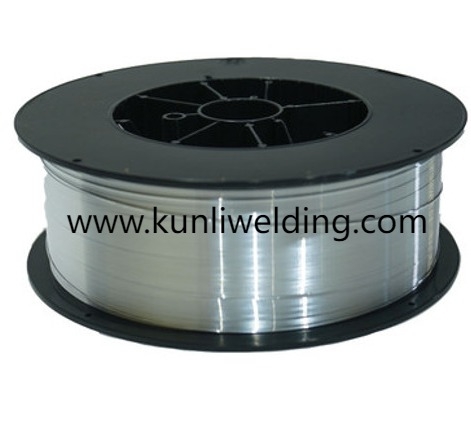
Achieving visually appealing welds with smooth, consistent bead profiles requires more than just welding technique and equipment settings. Material selection plays a fundamental role in how easily operators can manipulate molten metal and control solidification characteristics during gas tungsten arc welding operations. Professional guidance from Aluminum TIG Wire Suppliers emphasizes that filler rod composition, diameter, and surface condition directly influence puddle behavior and finished weld appearance. Understanding these material characteristics helps welders select appropriate consumables that complement their skill level and project requirements, enabling better control over the welding process and producing joints that meet both structural and aesthetic standards.
Filler rod diameter represents a primary consideration affecting puddle manipulation and heat management. Thinner rods melt more readily when dipped into the weld pool, allowing welders to add small, controlled amounts of material with each dipping motion. This characteristic proves particularly valuable when working with thin base materials where excessive filler addition could create overfill or burn through. The rapid melting of thin rods enables quick puddle adjustments and precise bead shaping as welders progress along joints. Conversely, thicker diameter rods require more heat to melt completely, slowing the addition rate and providing a different manipulation feel that some operators prefer for heavier material applications.
Chemical composition influences how smoothly molten filler flows and wets base metal surfaces during welding. Some aluminum alloy compositions exhibit enhanced fluidity characteristics that help filler spread evenly across joint surfaces, creating smooth transitions between weld metal and base material. This improved flow behavior reduces the formation of undercut or overlap conditions that create unsightly bead profiles requiring post weld grinding. Silicon containing compositions generally demonstrate favorable flow properties, though alloy selection must primarily address metallurgical compatibility and mechanical property requirements rather than focusing solely on cosmetic considerations.
Surface cleanliness of filler rods dramatically affects arc stability and spatter generation during welding operations. Contaminated rod surfaces introduce impurities into the weld pool that disrupt smooth metal transfer and create irregular bead appearance. Oils, oxides, or handling residues cause localized disturbances as they burn off or become incorporated into solidifying metal. Professional sources offering quality consumables maintain rigorous cleaning standards ensuring rod surfaces arrive ready for immediate use without requiring additional preparation. Protecting rods from contamination during storage through sealed containers preserves this surface cleanliness between welding sessions.
Rod stiffness and handling characteristics influence how easily welders can manipulate filler material during torch progression. Excessively soft rods may bend unintentionally as welders hold them, making precise dipping motions difficult to control. Rods with appropriate temper maintain straight form during handling while remaining flexible enough to avoid brittle characteristics. This balance enables consistent filler addition angles and depths as operators move along weld seams, contributing to uniform bead appearance throughout extended passes.
Dipping technique interacts with filler material properties determining puddle behavior and bead formation. Adding filler at consistent intervals and depths creates uniform ripple patterns characteristic of quality TIG welds. The material must melt smoothly when contacted with the puddle without causing excessive agitation or localized cooling that creates irregular solidification. Filler compositions that melt at temperatures closely matching base material melting points integrate most seamlessly into weld pools, minimizing disruption and supporting smooth bead development.
Heat input management becomes easier when filler material responds predictably to arc energy. Some compositions require higher temperatures for complete melting, forcing welders to increase amperage settings that may cause excessive base metal melting or distortion in thin materials. Filler materials with appropriate melting characteristics allow welders to maintain moderate heat inputs that balance penetration requirements against distortion concerns while still achieving complete filler melting and good fusion.
Color matching after surface treatment represents another consideration where filler composition affects appearance. When welded assemblies receive anodizing or other finishing processes, filler alloy chemistry influences the color and texture achieved during treatment. Significant composition differences between filler and base materials may create visible color variations at weld locations that prove aesthetically unacceptable for architectural or consumer product applications.
Practice and experience with specific filler materials build familiarity that improves puddle control over time. Consistent use of particular compositions allows welders to develop muscle memory and intuitive understanding of how materials respond to various manipulation techniques. Resources providing detailed specifications and application guidance remain accessible at https://www.kunliwelding.com/product/ where comprehensive information supports material selection decisions matching both technical requirements and appearance expectations across diverse aluminum welding applications requiring careful attention to visual quality alongside structural performance.

 Czech
Czech
 English
 Arabic
 French
 Spanish
 Deutsch
 Turkish
 Dutch
Dutch
 Italiano
 Russian
 Romaian
 Portuguese (Brazil)
 Greek
Greek